

Investment Value
Capable of 125 mph operation, upgradeable to 140 mph when signalling infrastructure allows
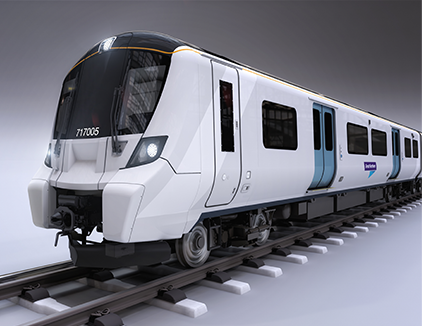
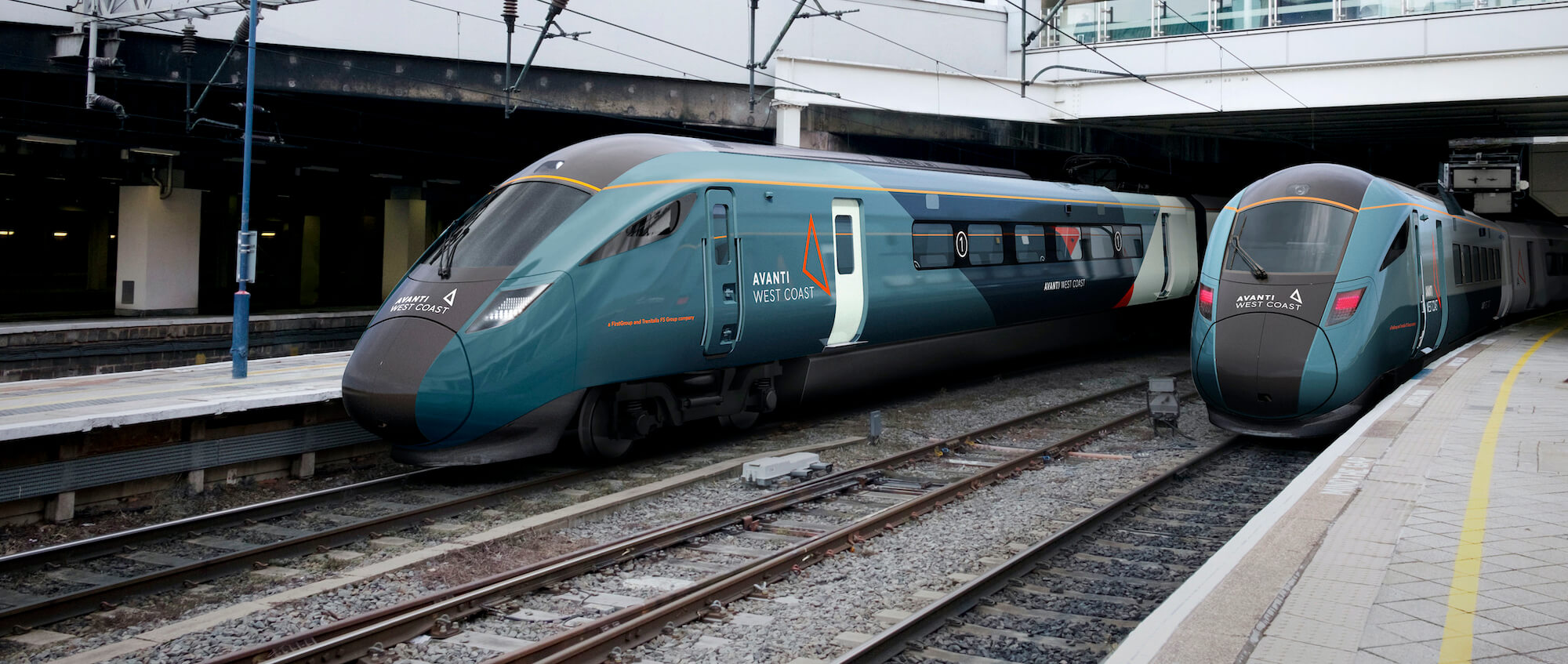
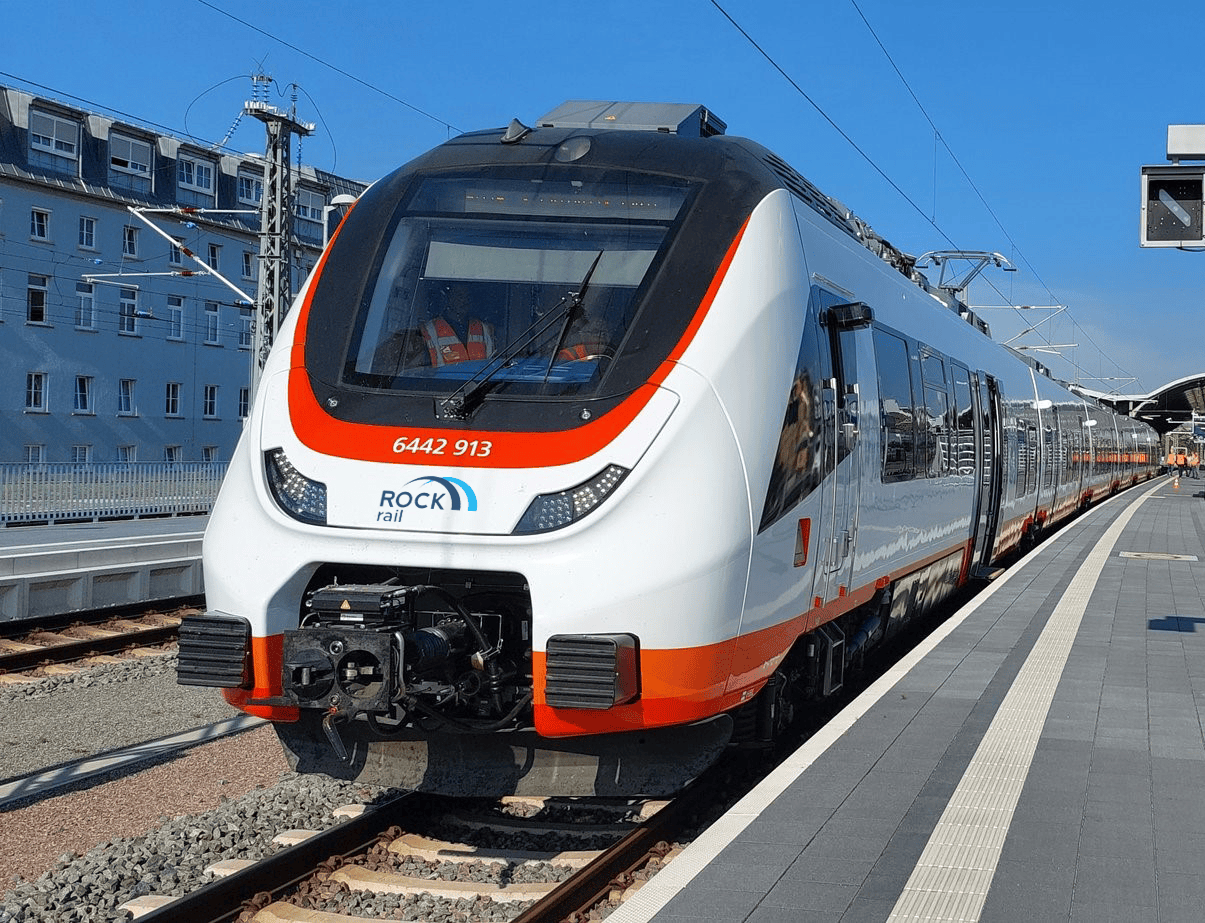
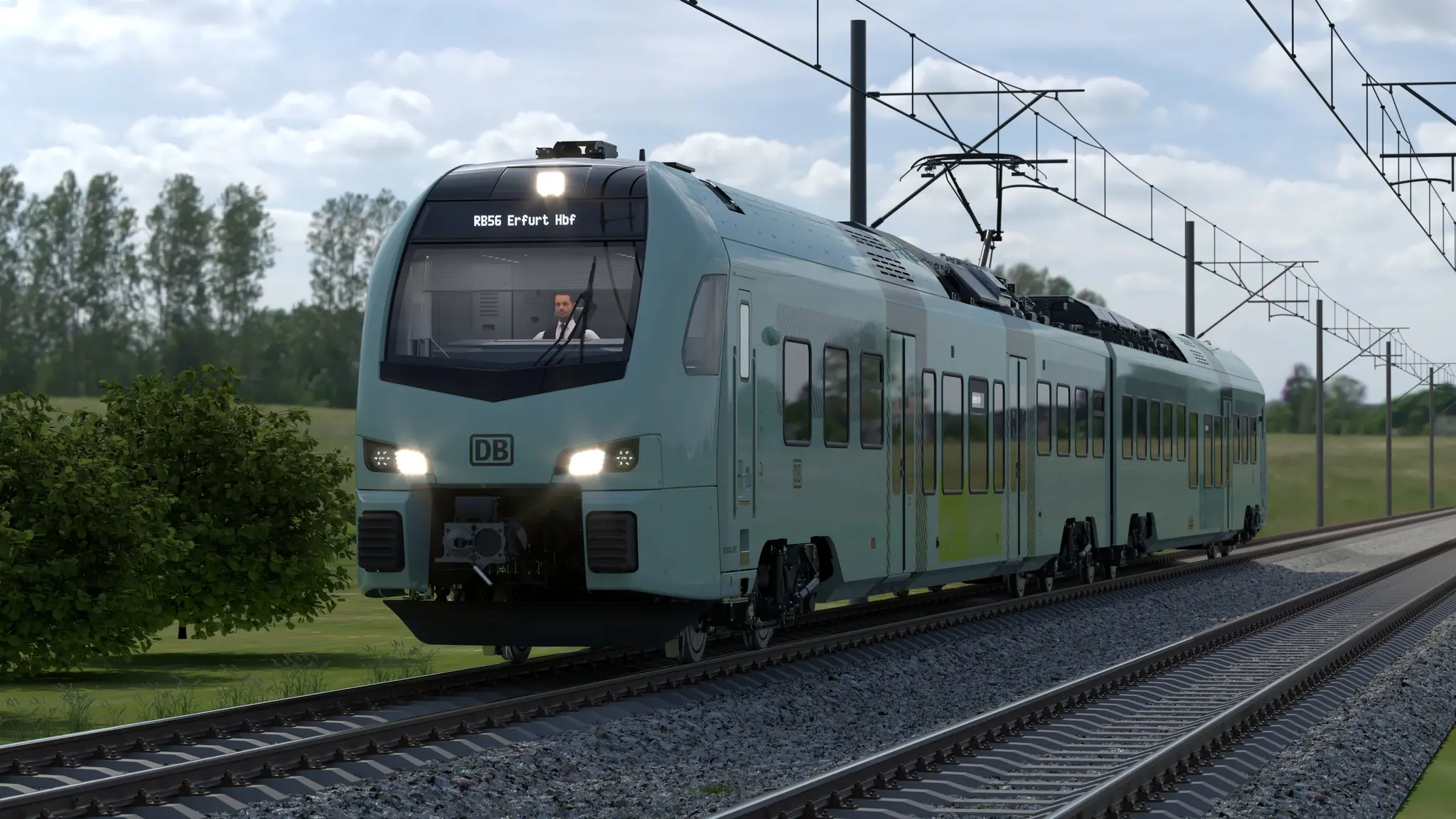
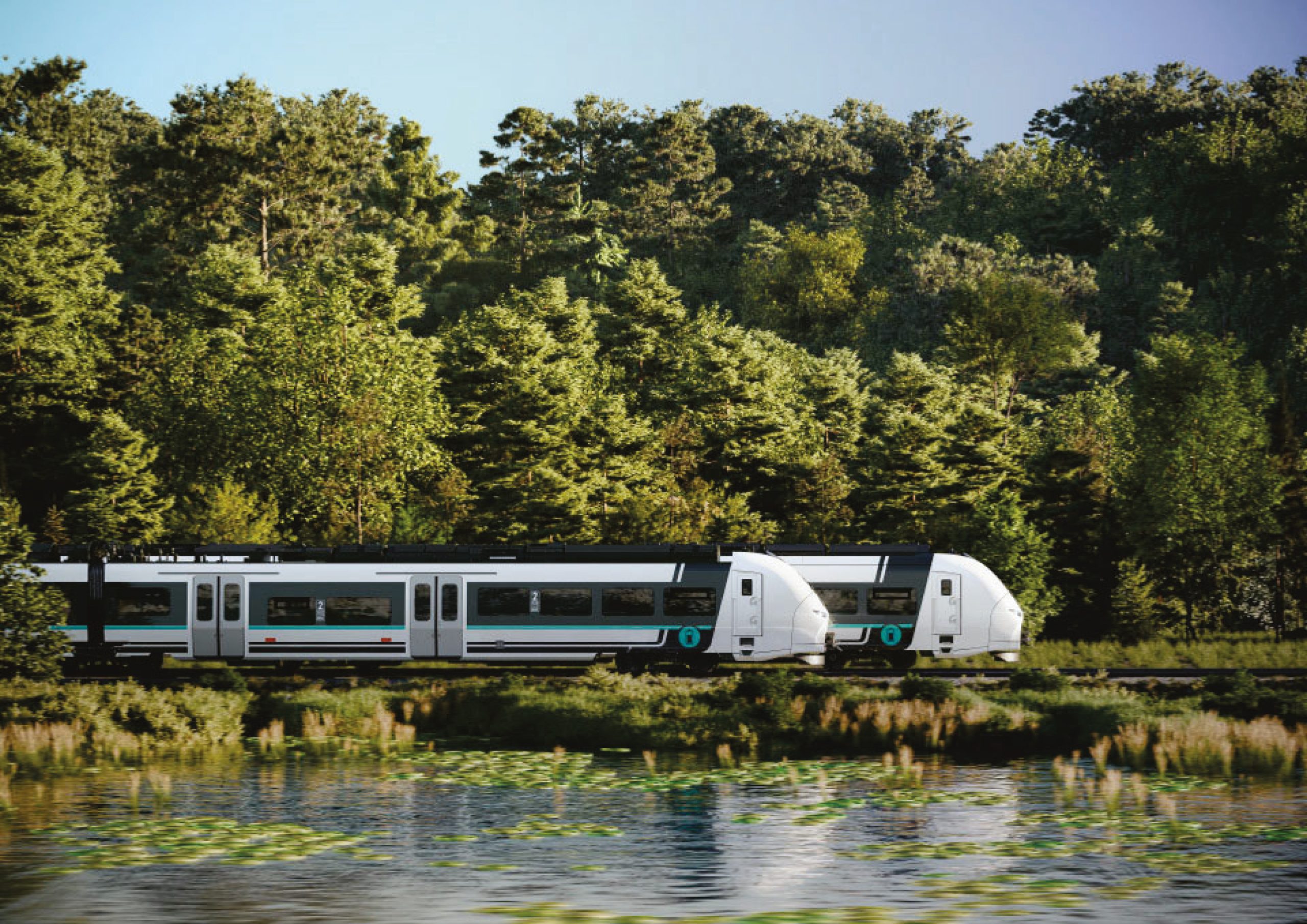
13 five-car Class 805 bi-mode trains and 10 seven-car Class 807 electric trains – together forming a modern, high-performance intercity fleet
Sustainable
Built on Hitachi’s proven AT300 platform for smooth, modern intercity journeys.
Passenger Comfort
Railway Line
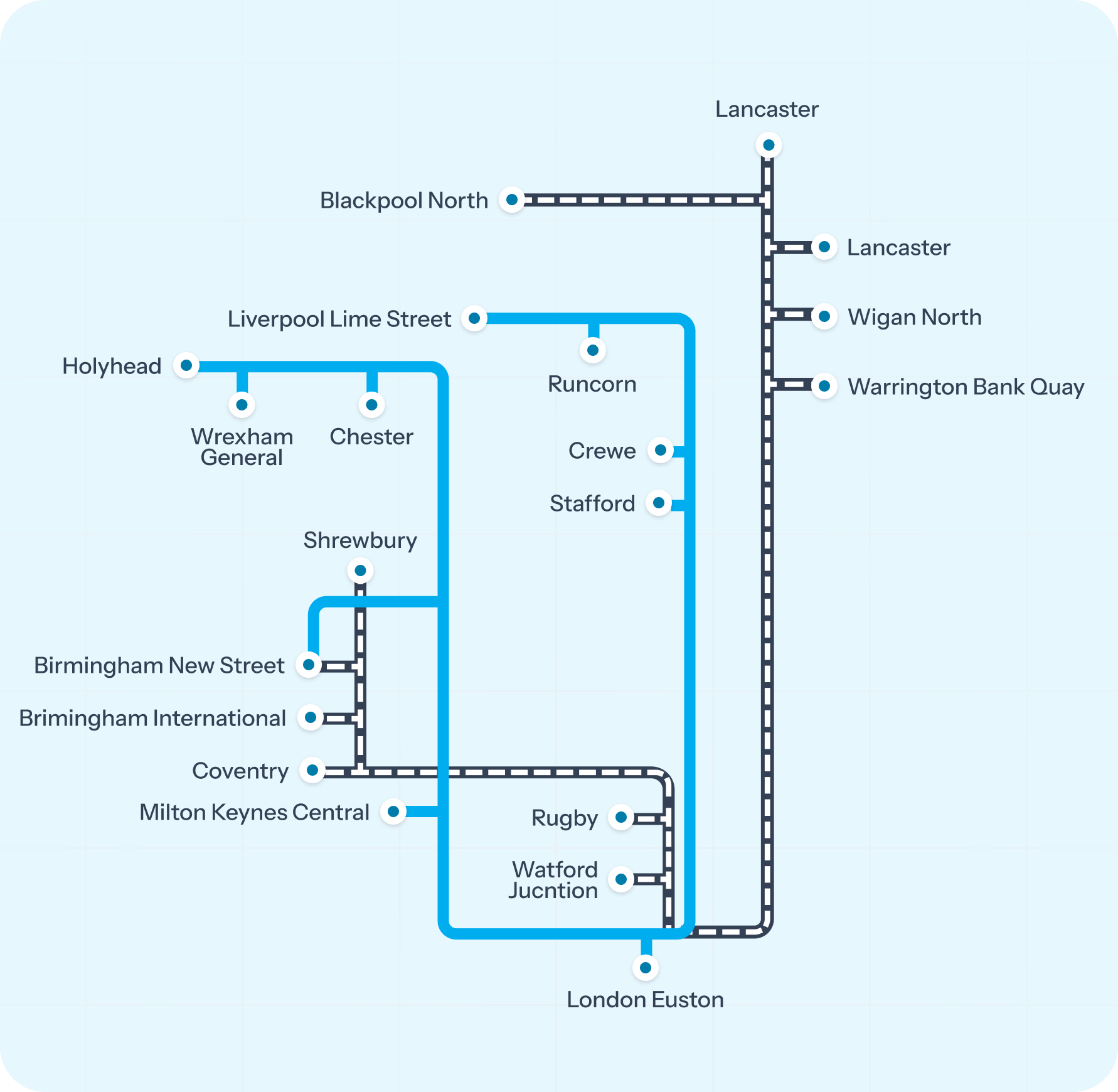
Strategic rail connectivity across the West Coast
Delivering greener, quieter and faster journeys, the West Coast fleet represents the next generation of intercity travel – enhancing passenger comfort and supporting a more sustainable future for Britain’s railways.
Benefit
Benefits that move the nation forward
From enhanced passenger comfort to greener technology and stronger regional links – the West Coast fleet delivers long-term value for communities, operators, and the environment.
High-performing, reliable assets
The Class 805/807 fleet delivers consistent operational reliability on the West Coast mainline, supporting strong lease stability and predictable revenue streams.
Enhanced passenger experience
Spacious interiors, air-conditioning, Wi-Fi, at-seat power, and real-time passenger information improve journey comfort and satisfaction for intercity travellers.
Future-proofed, modern design
Built by Hitachi with the latest intercity EMU and bi-mode technology, the fleet combines high speed, energy efficiency, and flexible operation across electrified and non-electrified routes.
Sustainable and energy efficient
Electric and bi-mode operation reduces emissions and energy use, aligning with decarbonisation targets and ESG investment objectives.
Supports network efficiency and capacity
Strong acceleration, high speed, and reliable systems improve timetable resilience, operational flexibility, and overall network performance.
Robust maintenance and long-term support
Manufacturer-backed maintenance programmes ensure high fleet availability, reducing operational risk and protecting asset value.
FAQ
Frequently asked questions
Clear answers to common questions about our zero-emission bus finance model.
What is the Class 805/807 fleet?
The Class 805 and 807 trains are modern intercity electric and bi-mode multiple-unit trains built by Hitachi for West Coast mainline services. They are designed to provide faster, more reliable, and energy-efficient intercity travel.
Why did Rock Rail UK invest in this fleet?
Rock Rail invested to provide long-term, stable lease income while supporting the modernisation of a key intercity corridor. The fleet delivers operational reliability, enhanced passenger experience, and long-term sustainable performance.
What benefits does the fleet provide for passengers?
Passengers enjoy air-conditioned, spacious interiors, Wi-Fi, at-seat power, real-time journey information, and improved accessibility for a comfortable, modern intercity experience.
How does the fleet enhance network performance?
High acceleration, reliable modern systems, and flexible bi-mode capability ensure timetable resilience, faster journeys, and operational flexibility across electrified and non-electrified sections.
What sustainability features are included?
The fleet maximises electric operation and incorporates energy-efficient systems to reduce emissions, supporting ESG objectives and UK rail decarbonisation goals.
What is the expected operational life of the fleet?
The Class 805/807 trains are designed for a long service life with modern systems, delivering enduring value, strong residual potential, and predictable returns for investors.
Accreditations
Our trusted accreditations
Recognised by leading industry bodies, our accreditations reflect our commitment to quality, safety, and sustainability in every project we deliver.