Nahverkehr Westfalen-Lippe (NWL)

Rock Rail Germany's seventh project

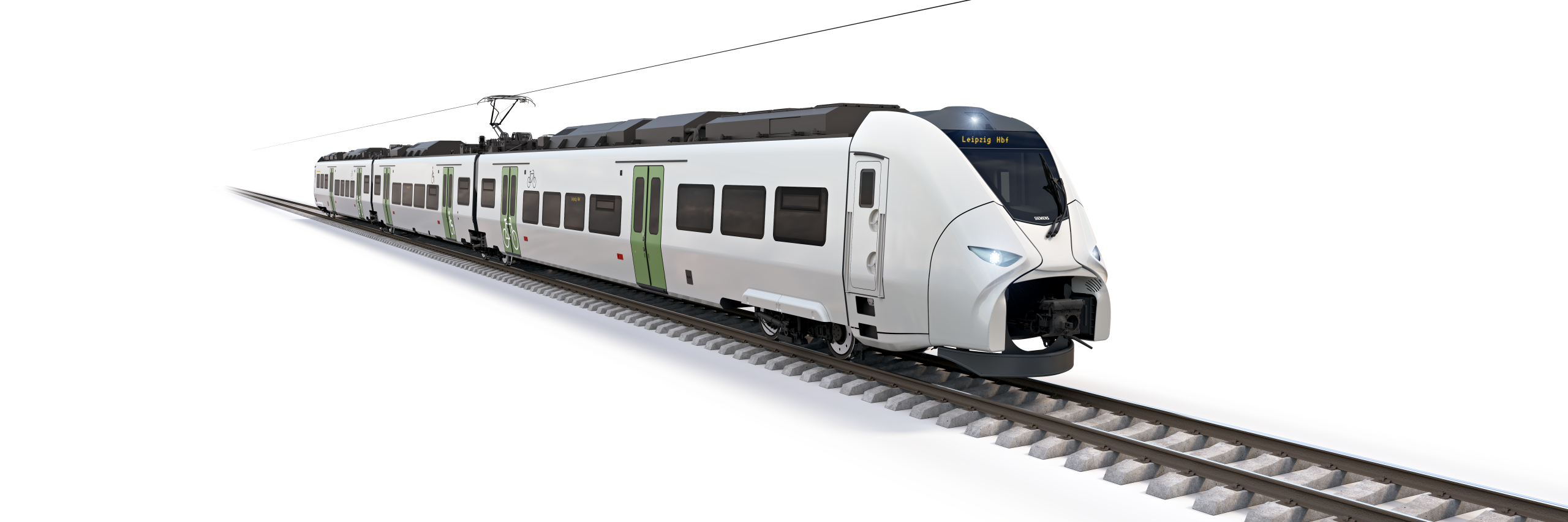
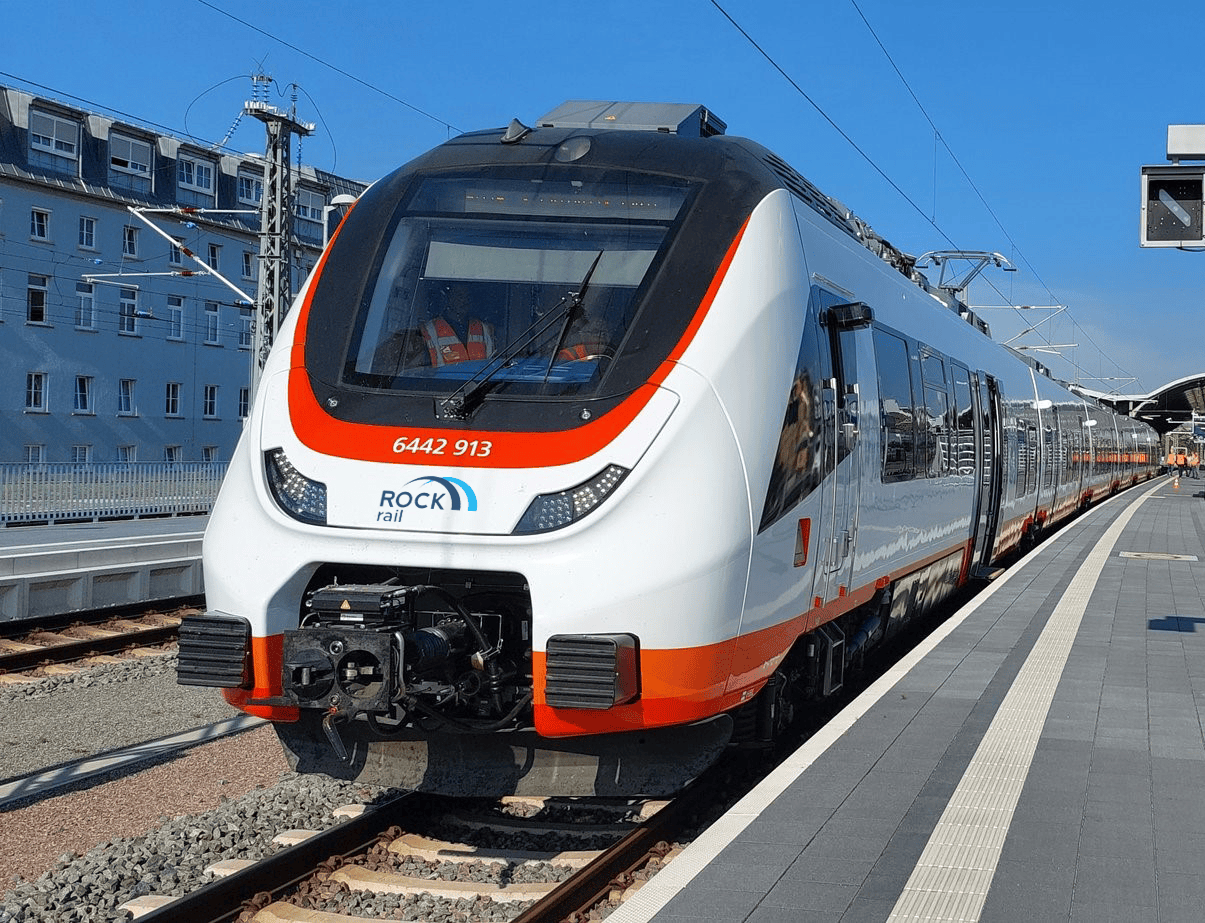
Rock Rail, alongside its investment partners, reached financial close on the procurement of a new battery-electric train fleet for Nahverkehr Westfalen-Lippe (NWL). The project will support the decarbonisation of regional rail services across North Rhine-Westphalia.

0 Vehicles

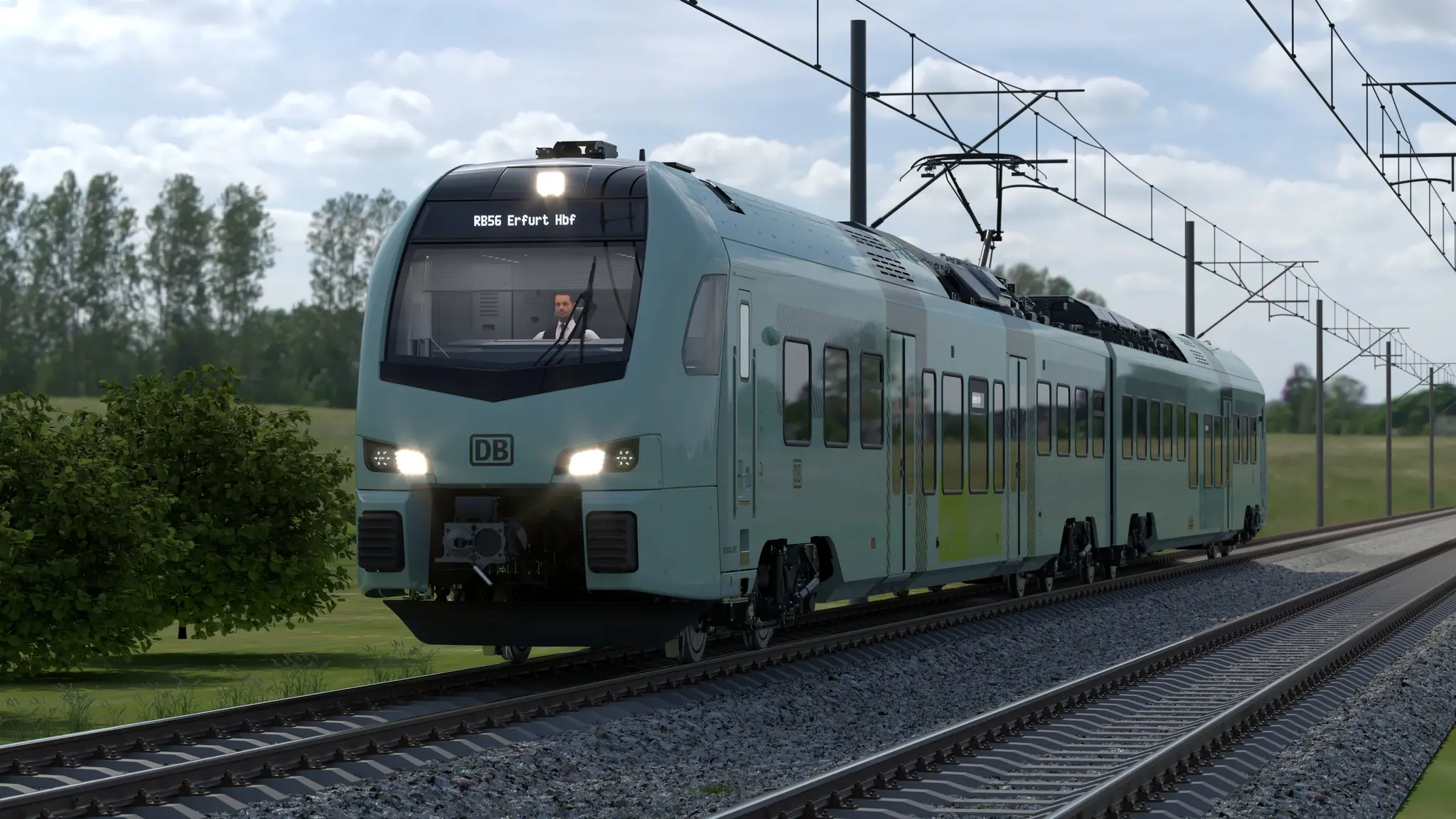
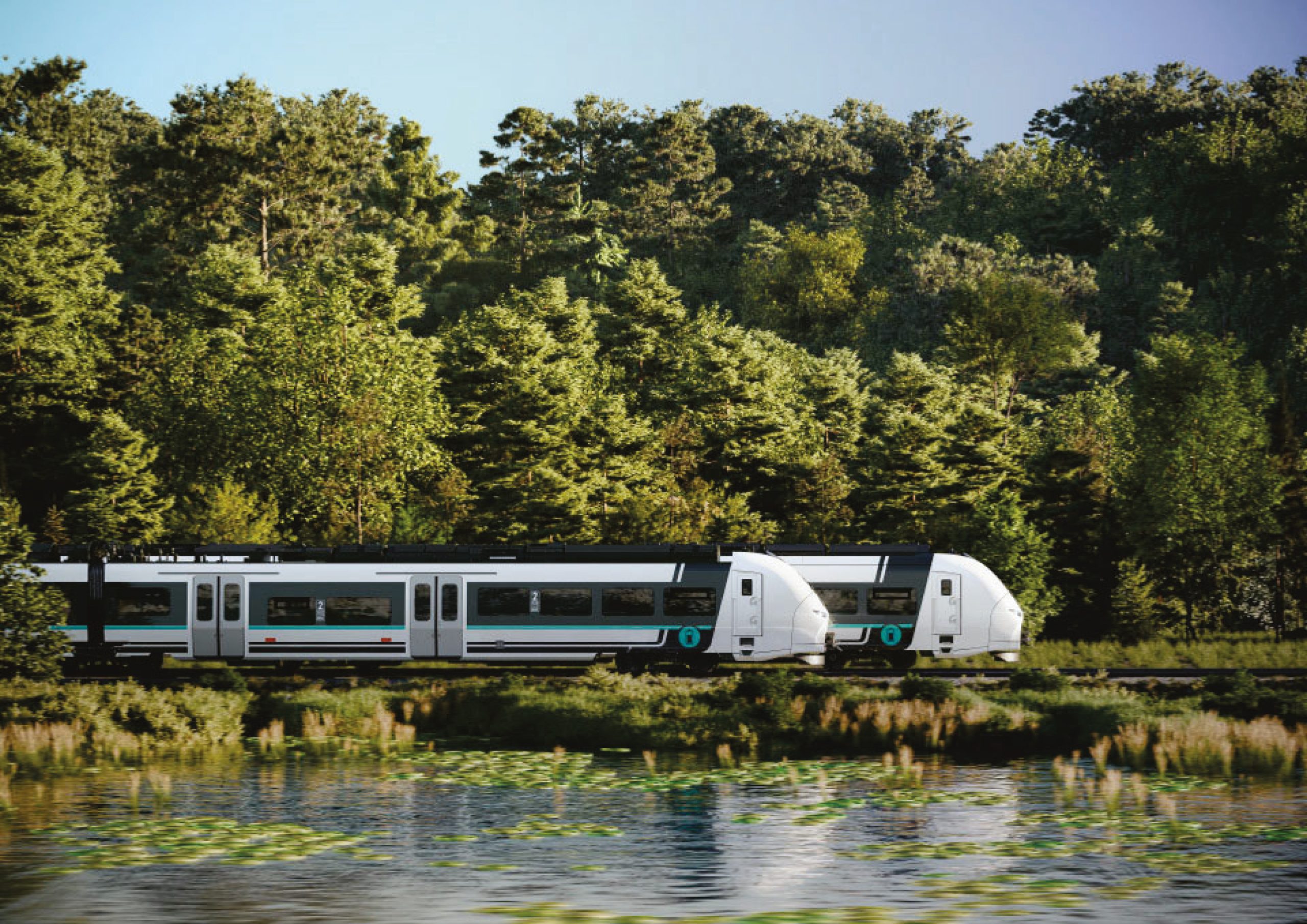
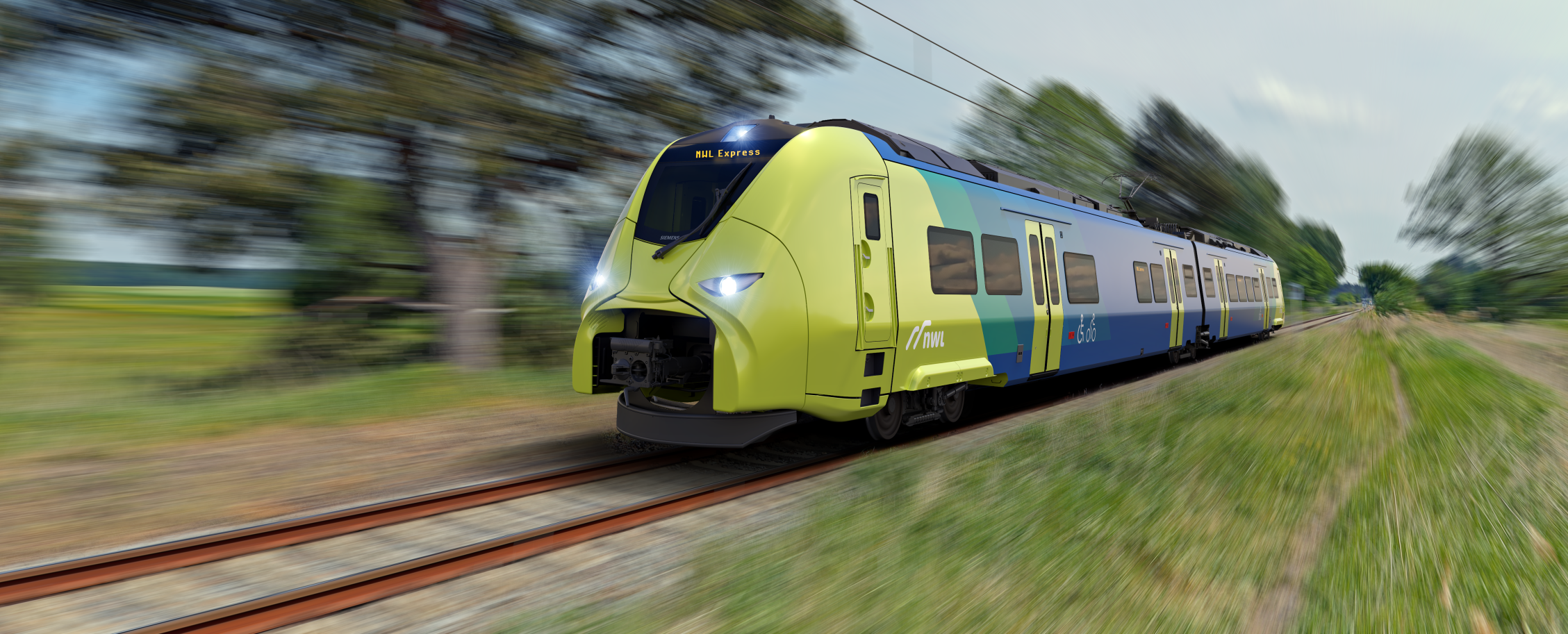
61 two-car Siemens Mireo Plus B battery-electric trains

Environment

Replacing diesel train with battery-electric multiple units, reducing carbon emissions, air pollution and noise across the network

Service Entry
December 2029
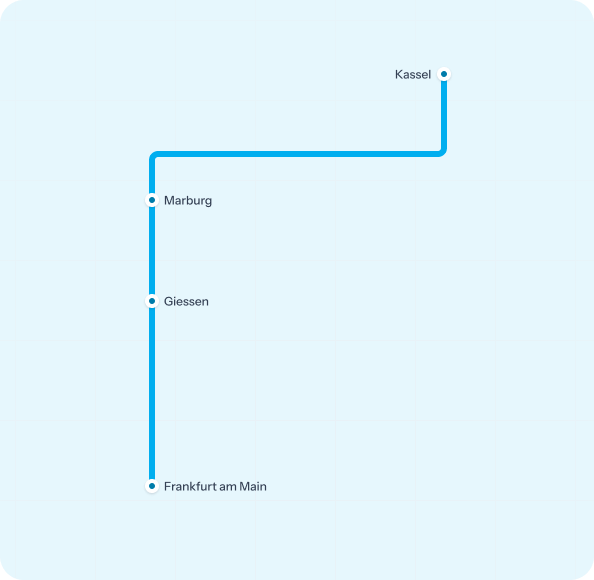
Railway line

Rock Rail's Role

Rock Rail structured, financed and will manage the long-term leasing solution for the fleet, working alongside investment partners and Siemens Mobility to deliver a sustainable, privately financed rolling stock solution for Germany’s regional railway network.
Benefit

Cleaner, quieter journeys across Westphalia

The new trains will use battery power where there are no overhead wires, bringing quieter, locally emission-free journeys to passengers and communities along the route.

Cleaner journeys

Battery power lets the trains run on routes without overhead wires, replacing diesel operation with locally emission-free travel.

Quieter trains

Passengers and communities along the route should notice less noise.

Fleet

61 Siemens Mireo Plus B battery-electric trains

Faster boarding

Four doors on each side of each train should help passengers get on and off more quickly.

Easier access

Step-free boarding, space for two wheelchair users and room for 18 bicycles make journeys more accessible.

More comfortable travel

Passengers will have Wi-Fi, charging points, comfortable seating and more space.

Passenger service

From December 2029

Technology

Battery-electric multiple units (BEMUs)

FAQ

Frequently asked questions

What is the NWL fleet?

A fleet of 61 new Siemens Mireo Plus B battery-electric trains for the Northern Westphalia network in Germany.

They are planned to enter service from December 2029.

They charge while travelling under overhead wires, then use stored battery power on sections of track without wires.

The trains will run locally emission-free, use energy more efficiently and be quieter than conventional diesel trains. They also recover energy when braking.

Quieter journeys, Wi-Fi, charging points, comfortable seating and more space for bicycles.

Yes. They will have step-free access and space for two wheelchair users on each train.

Rock Rail is financing and providing the fleet through a long-term leasing arrangement, helping NWL bring the new trains into service

Accreditations

Our trusted accreditations

Recognised by leading industry bodies, our accreditations reflect our commitment 
to quality, safety, and sustainability in every project we deliver.
ISO 9001
Cyber Essentials Certified

Nahverkehr Westfalen-Lippe (NWL)

Driving Net Zero: How Rock Road 
Is Funding the UK’s Bus Transition

Accelerating the shift to clean, affordable, zero-emission transport

Year
2025
Category
Rock Road
Share

The Challenge

The UK bus network is at the heart of everyday travel – but over 30,000 diesel buses still need replacing to achieve a fully zero-emission fleet.

While around 5,000 battery-electric buses are already on the road, the high upfront cost of electric vehicles and depot electrification continues to slow the transition. Traditional funding routes — such as government grants or short-term bank finance – have helped start the journey but cannot support decarbonisation at the scale required.

A new, sustainable funding model was needed: one that could attract long-term capital, spread costs fairly, and give operators and authorities confidence in the future.

The Solution

In 2021, Rock launched Rock Road to deliver exactly that –  applying its proven infrastructure financing approach from the rail sector to the UK’s clean bus revolution.

Working with Aviva, the National Wealth Fund, and HSBC, Rock created a dedicated investment platform that channels infrastructure-style finance from pension funds and institutional investors directly into zero-emission bus projects.

This model provides:

Impact

The platform has already raised £100 million, with capacity to scale to £1 billion per year over the next decade – providing a consistent source of affordable capital for local authorities and operators.

Rock’s model ensures that the total cost of ownership (TCO) of electric buses can now be lower than diesel equivalents, thanks to both cheaper long-term finance and reduced operating costs.

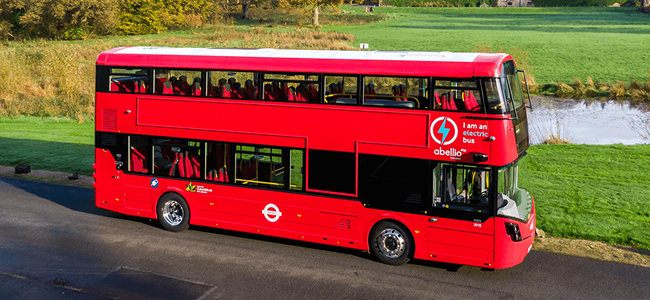
In London, Rock has financed 120 zero-emission buses under 7-year leases aligned with Transport for London’s contract lengths. This structure gives operators flexibility and certainty:

The Future

Rock Road’s ambition is to support the rollout of zero-emission fleets across the UK – helping local authorities and operators meet climate goals without overextending public budgets.

By leveraging limited government funding to attract large-scale private capital – for example, £10 million of public investment unlocking over £250 million in total funding – Rock’s model accelerates decarbonisation while keeping costs low for the public sector.

Our ambition is to make electric buses the default choice - not because of subsidy, but because they are the best economic and environmental option.
Louis Swindell
Commercial Director, Rock Road