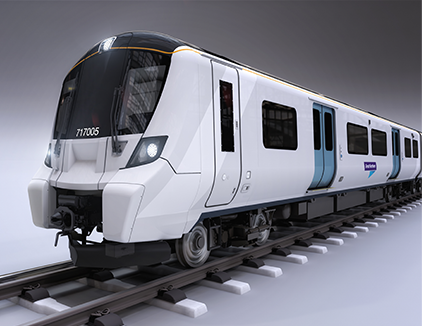
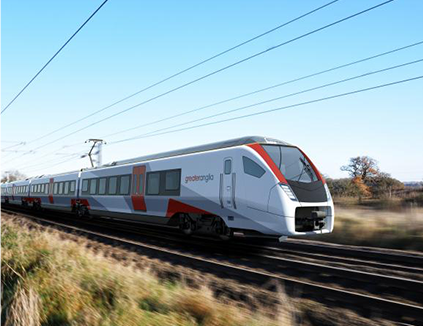
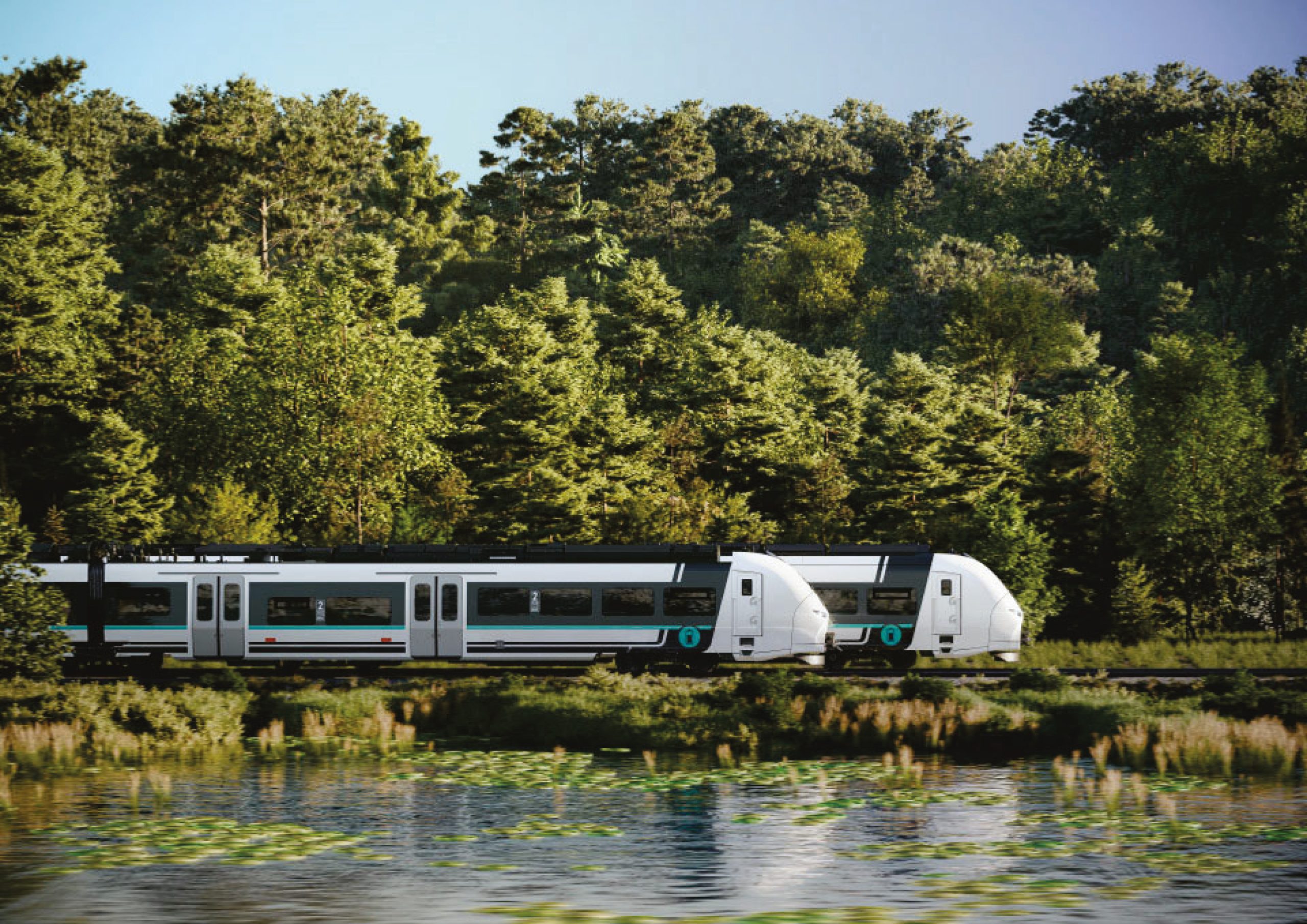


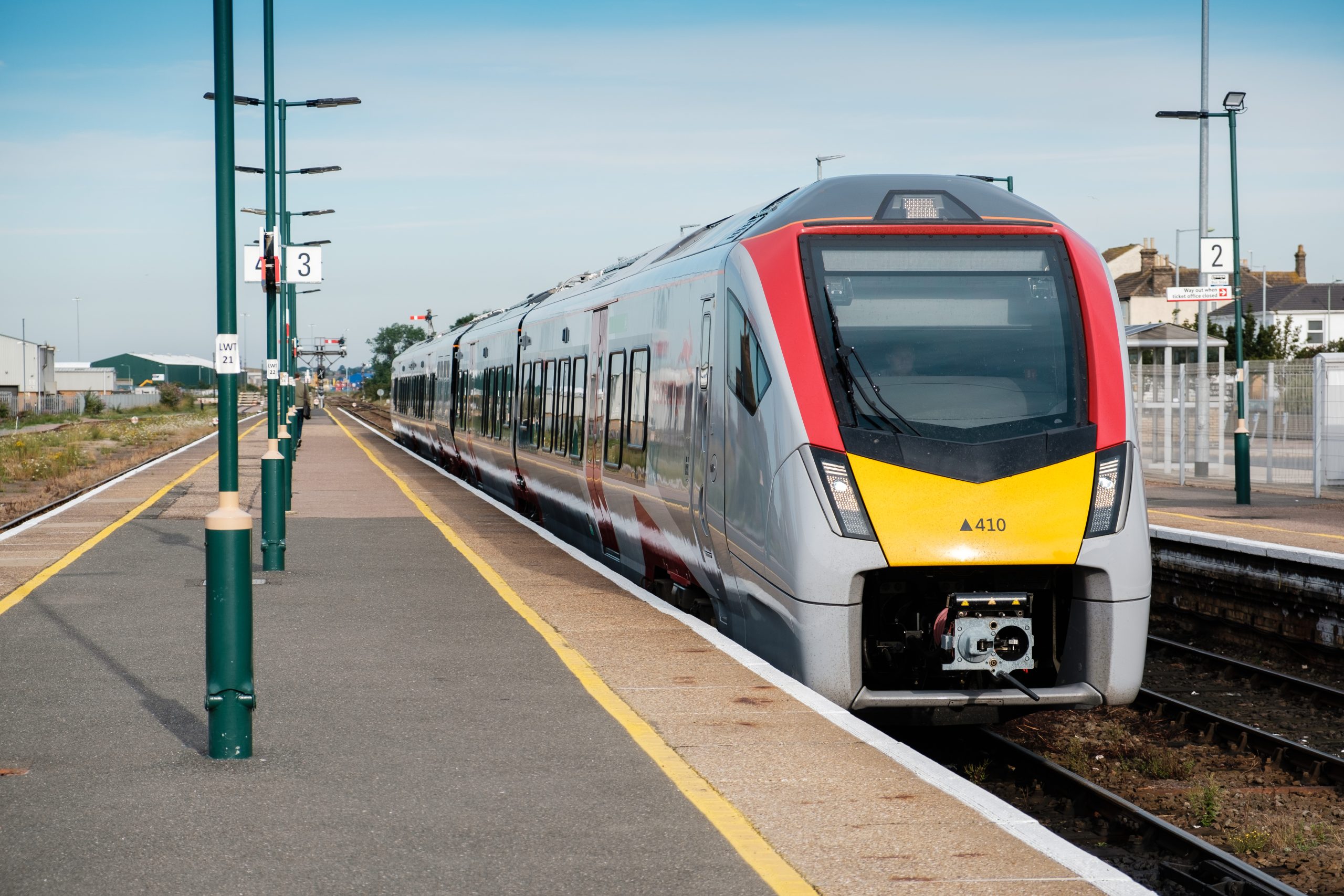
The new trains are the first in the UK to have both a low floor and a retractable step – which automatically bridges the gap between the train and the platform when at a station.
This means that for many disabled and older people, or those with pushchairs or heavy luggage, there is no longer the need for a ramp to board on the majority of Greater Anglia’s regional, intercity and Stansted Express services.
The retractable step sets a new benchmark for accessible rail travel in the UK and received the accolade of Highly Commended in the Innovation category at the National Rail Awards 2020.
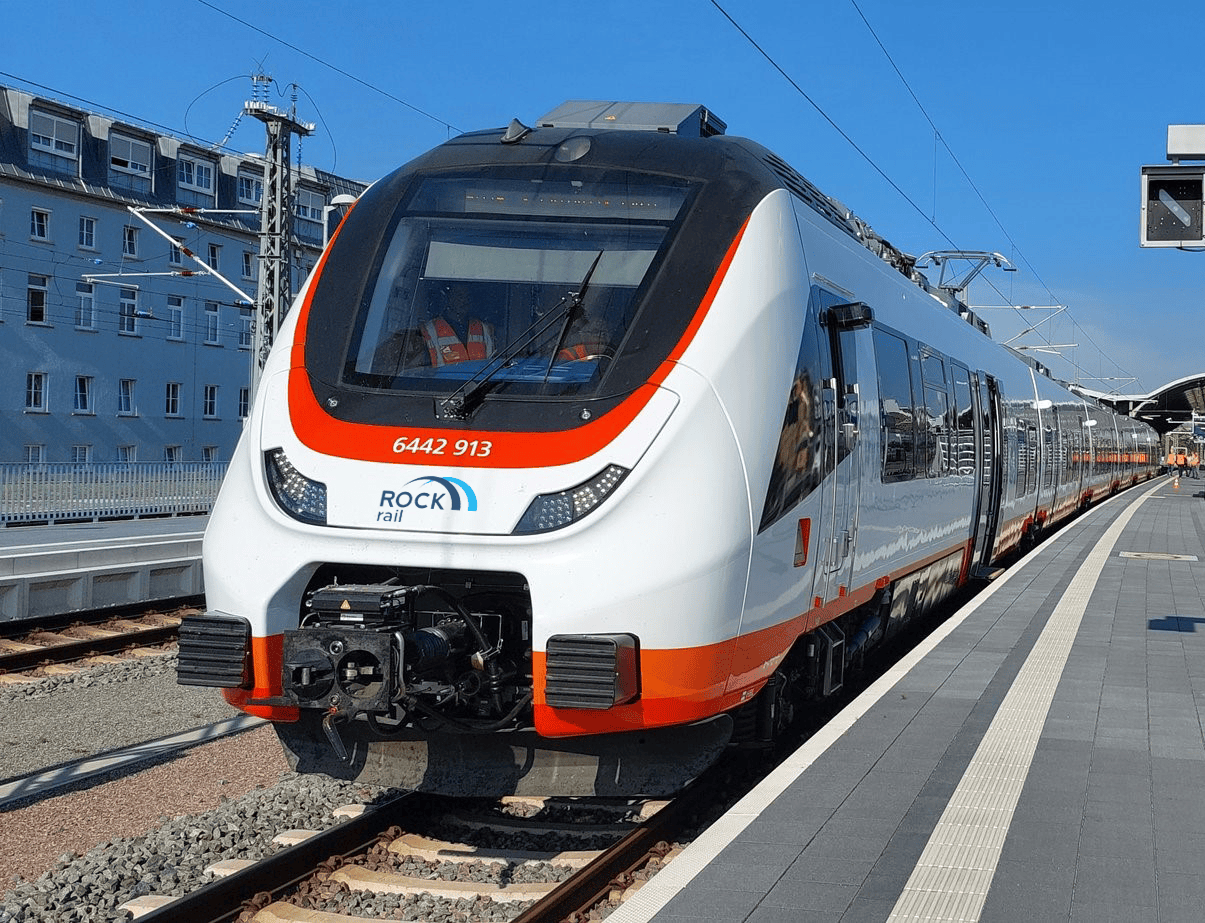
Rock Rail East Anglia, a joint venture between Rock Rail, Aberdeen Standard Investments and GLIL Infrastructure, financed the trains and is leasing them to Greater Anglia.
Mark Swindell, CEO Rock Rail and Director Rock Rail East Anglia, said “Rock Rail is delighted that its new trains have received such an accolade and that passengers will benefit from the vastly improved accessibility features. The award is testament to the focus our operator partner, Greater Anglia, together with Stadler and Rock Rail, place on delivering a truly passenger-focused travelling experience.”
Greater Anglia’s Managing Director, Jamie Burles, said, “We developed our new trains jointly with the manufacturer, Stadler, and a customer and stakeholder group, with their input shaping the final design and specification for the trains.
“The benefit of this collaborative approach to the design of the accessible carriage, involving a close, positive partnership with disabled stakeholders and customers, was to create a train that isn’t just ‘compliant’, but truly customer friendly.
“As a result, passengers can now get on or off the train without needing a ramp at the vast majority of stations on Greater Anglia’s regional, intercity and Stansted Express routes.”
Greater Anglia carried out extensive public consultation both online and in person, with disabled stakeholders and customers visiting a full sized ‘mock-up’, built in Norfolk, and taking part in two international visits to Stadler’s factory in Switzerland.
As part of this programme, a full-sized adjustable model platform was created which enabled engineers to test how the sliding step would work at different stations. Every station was surveyed, recorded and mapped to ensure the best stopping location was identified to maximise the effectiveness of the step.
Mr Burles adds, “This proactive approach, allied with our genuine desire to produce a train which met and, where possible, exceeded customers’ needs, resulted in further real enhancements to the train’s design and features.”
Changes made to the layout of the accessible area as a result of the consultation included the location of priority seating and charging points, installation of privacy screens, design of the coffee table, colour contrasts on handrails and an additional “call for aid” button in the accessible toilet.
Feedback from customers and stakeholders about the improved accessibility features has been very positive, with a widespread welcome for the easier, better and more convenient rail journeys that are now available.
The upgrades also benefit users of Rock Rail East Anglia’s trains for Greater Anglia’s intercity services, which have the same accessibility features.
Ralf Warwel, Stadler’s sales director for the United Kingdom and Ireland, commented: “Stadler is very pleased to see our sliding step technology recognised in this prestigious award.
“While it has been widely deployed on new Stadler trains throughout mainland Europe, it’s a UK first. And, as well as featuring on the new trains for Greater Anglia, it will also be installed on trains for our other live UK contracts, namely Liverpool City Region, Transport for Wales Rail Services, and Nexus. This means that over the next few years, around 190 new trains will be operating in the UK with Stadler sliding step technology, improving the travel experience for passengers up and down the country.”
Photograph: Greater Anglia retractable step