Consortium acquires further 15% stake in Intercity Express Programme West

West Coast

Following the announcement on the 1st  November 2018 of its acquisition of a 30% stake in Agility Trains West, the consortium comprising Dalmore Capital, Equitix Investment Management, Japan Infrastructure Initiative and Rock Rail, has signed agreements to acquire an additional 15% stake in the company from Hitachi Rail Limited.

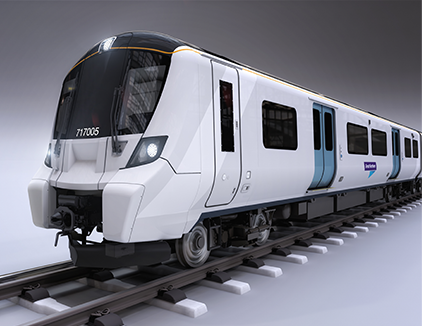
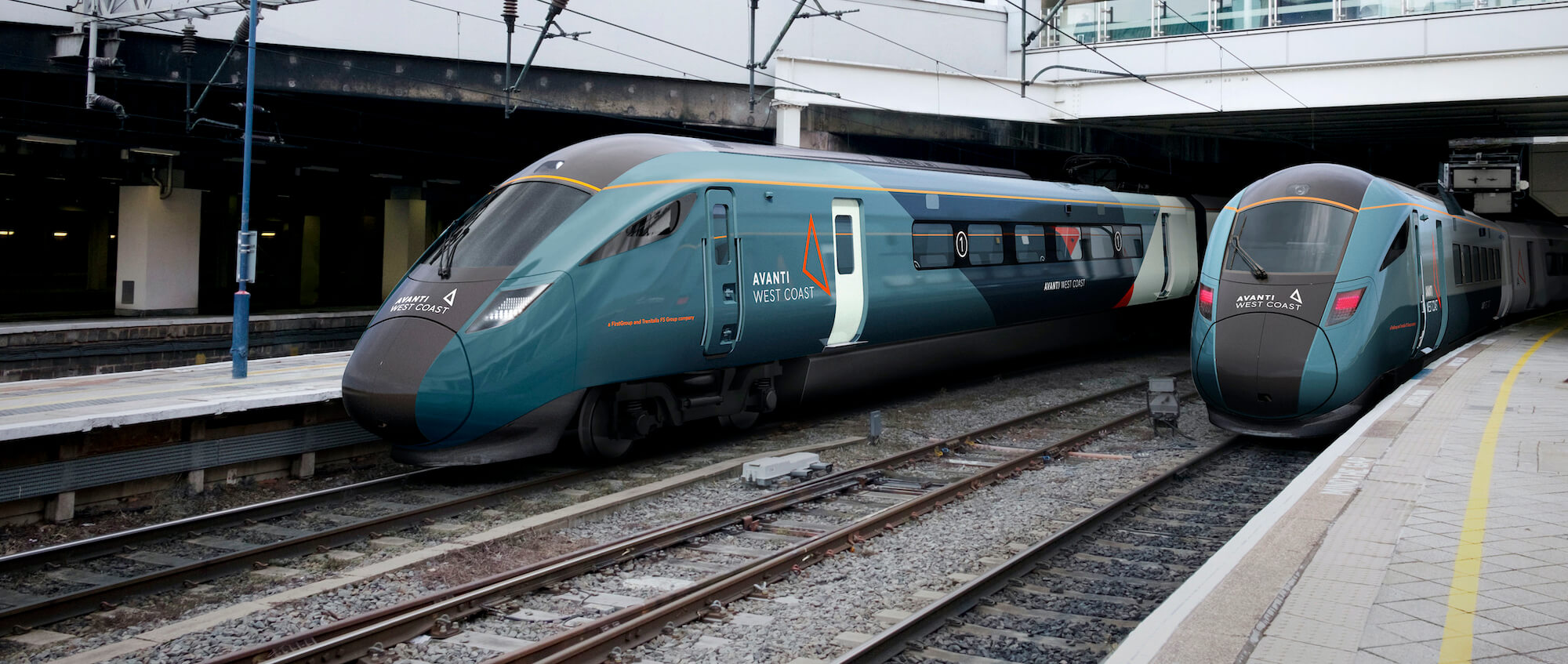
Agility Trains West was established in 2012 to finance, own and maintain 57 Hitachi class 800 trains which began a phased entry to service on the Great Western line in October 2017, with the full fleet in service by December 2018. The entire fleet is bi-mode, meaning it is able to operate under both diesel and electric and enabling its introduction whilst electrification works on the Great Western route continue.

The fleet forms the first phase of the Intercity Express Programme (IEP), which is a £5.7bn Government-led rolling stock programme to build and maintain 122 new intercity trains for both the East Coast and Great Western main lines.

DC Advisory acted as lead financial advisor and Ashurst acted as legal advisors to the consortium. Cantor Fitzgerald Europe, Crédit Agricole Corporate and Investment Bank and Goldman Sachs International acted as financial advisors and Allen & Overy acted as legal advisors to Hitachi Rail Limited.


Link to 01.11.18 announcement: Consortium acquires 30% stake in Intercity Express Programme West
Recent articles

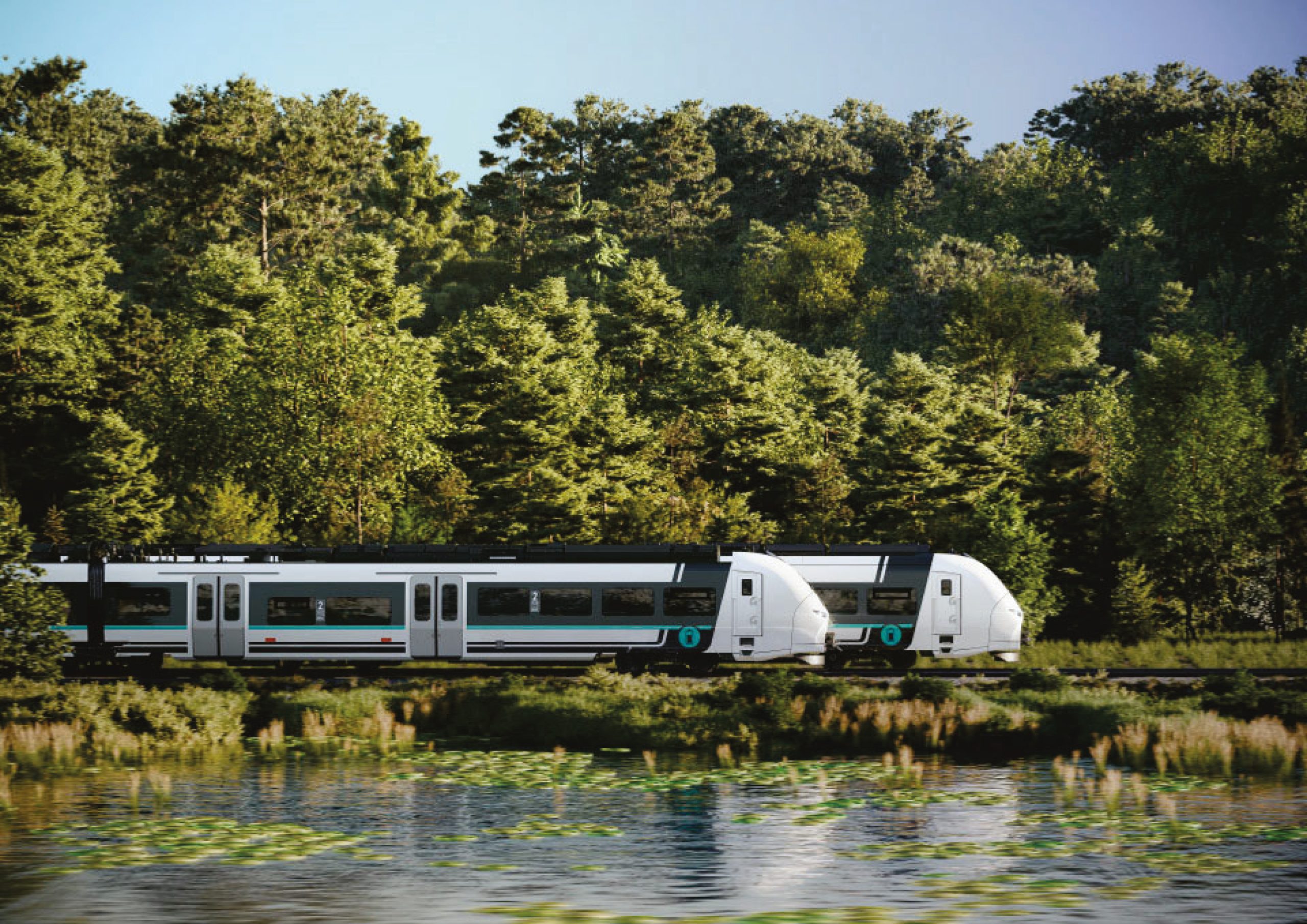
Rock Rail and Infracapital Partners Back New Battery-Electric Train...

Deal marks a long term investment in the country’s zero emissions transport infrastructure. Rock Rail, a leading developer...

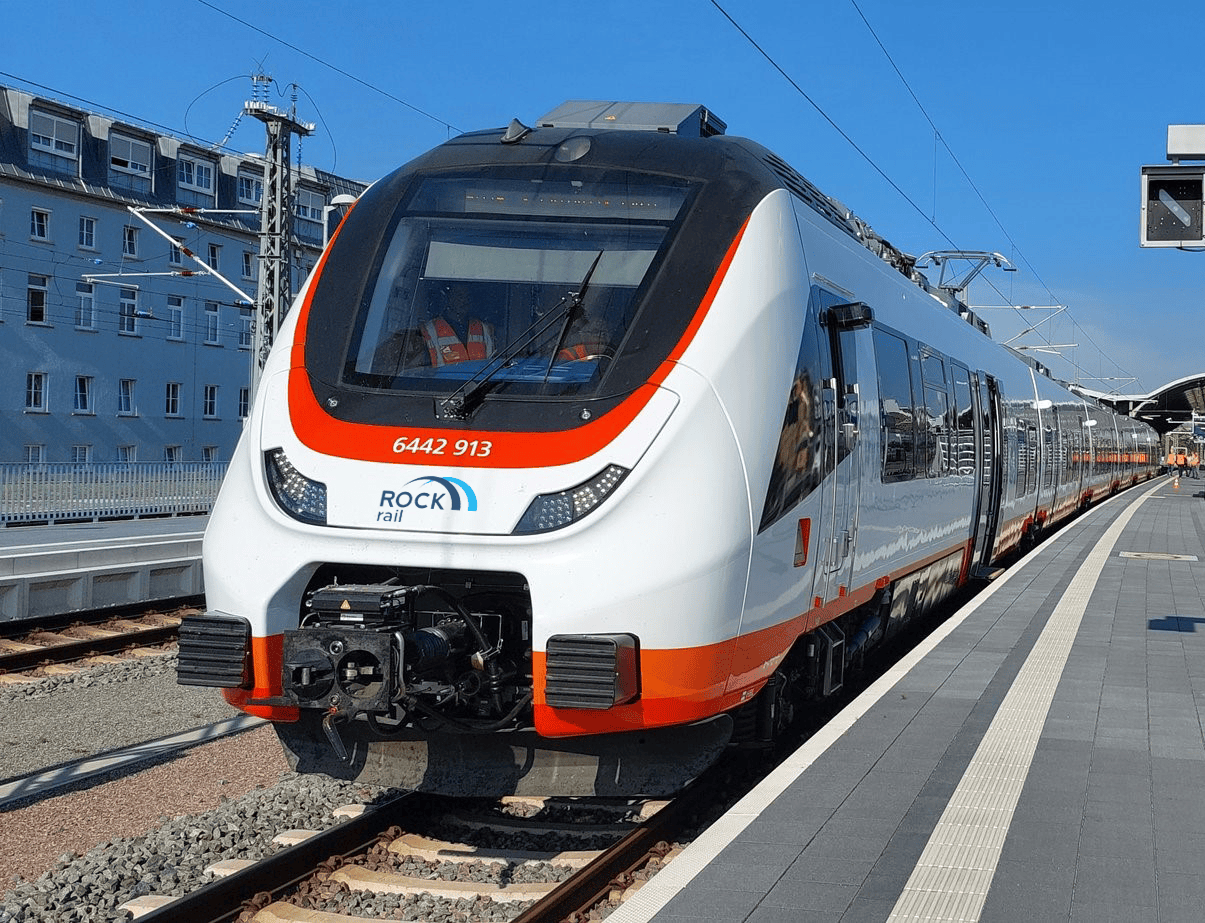
Rock Rail purchases a brand-new fleet of Talent 3...

Rock Rail and abrdn Core Infrastructure have announced an investment in Alstom-built 31 x 6-car Talent 3...

Rock Rail ranked number one for Global ESG performance...

GRESB has named Rock Rail as the top ranked ESG (Environment, Social and Governance) Sector Leader in...

Driving Net Zero: How Rock Road 
Is Funding the UK’s Bus Transition

Accelerating the shift to clean, affordable, zero-emission transport

Year
2025
Category
Rock Road
Share

The Challenge

The UK bus network is at the heart of everyday travel – but over 30,000 diesel buses still need replacing to achieve a fully zero-emission fleet.

While around 5,000 battery-electric buses are already on the road, the high upfront cost of electric vehicles and depot electrification continues to slow the transition. Traditional funding routes — such as government grants or short-term bank finance – have helped start the journey but cannot support decarbonisation at the scale required.

A new, sustainable funding model was needed: one that could attract long-term capital, spread costs fairly, and give operators and authorities confidence in the future.

The Solution

In 2021, Rock launched Rock Road to deliver exactly that –  applying its proven infrastructure financing approach from the rail sector to the UK’s clean bus revolution.

Working with Aviva, the National Wealth Fund, and HSBC, Rock created a dedicated investment platform that channels infrastructure-style finance from pension funds and institutional investors directly into zero-emission bus projects.

This model provides:

Impact

The platform has already raised £100 million, with capacity to scale to £1 billion per year over the next decade – providing a consistent source of affordable capital for local authorities and operators.

Rock’s model ensures that the total cost of ownership (TCO) of electric buses can now be lower than diesel equivalents, thanks to both cheaper long-term finance and reduced operating costs.

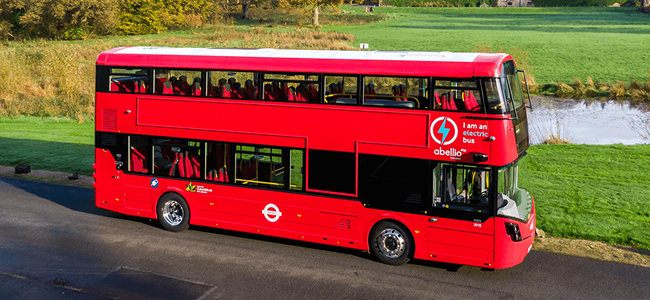
In London, Rock has financed 120 zero-emission buses under 7-year leases aligned with Transport for London’s contract lengths. This structure gives operators flexibility and certainty:

The Future

Rock Road’s ambition is to support the rollout of zero-emission fleets across the UK – helping local authorities and operators meet climate goals without overextending public budgets.

By leveraging limited government funding to attract large-scale private capital – for example, £10 million of public investment unlocking over £250 million in total funding – Rock’s model accelerates decarbonisation while keeping costs low for the public sector.

Our ambition is to make electric buses the default choice - not because of subsidy, but because they are the best economic and environmental option.
Louis Swindell
Commercial Director, Rock Road