

Investment Value
Capable of operating at speeds of up to 110 mph.
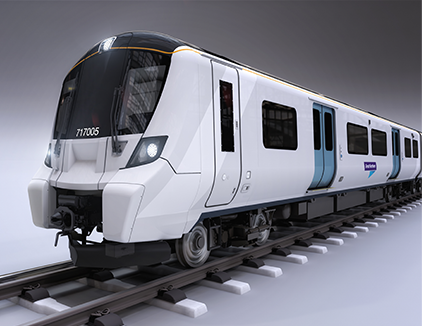
29 five-car trains with approximately 300 seats per train
Financial partners
Rock Rail and Aberdeen Investments through the Next Generation Rail Fund
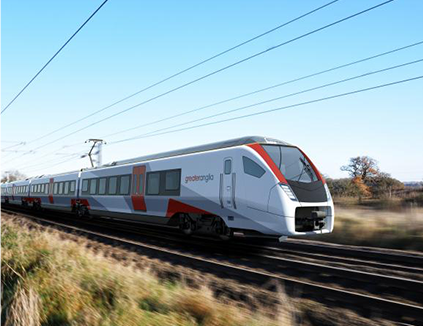
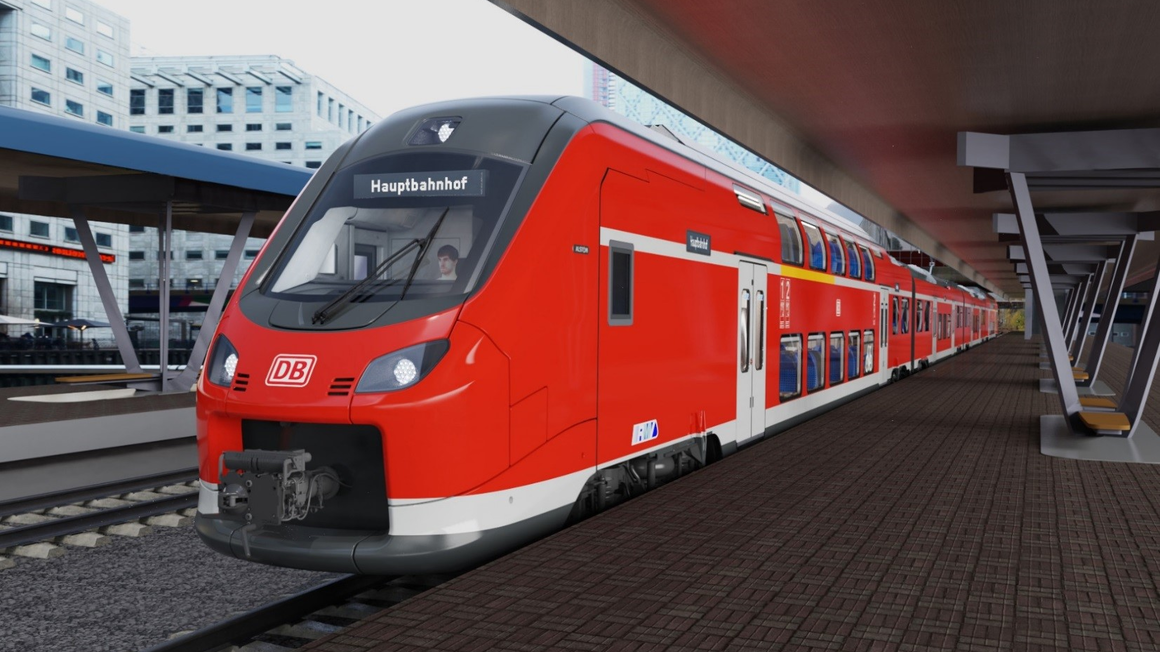
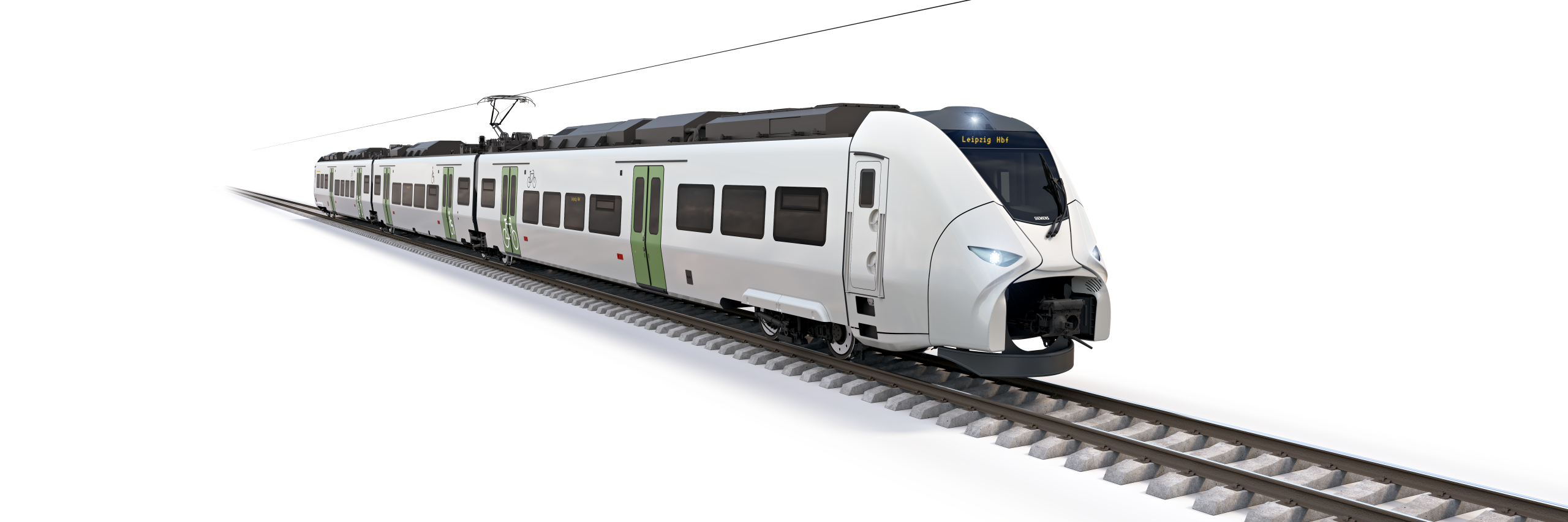
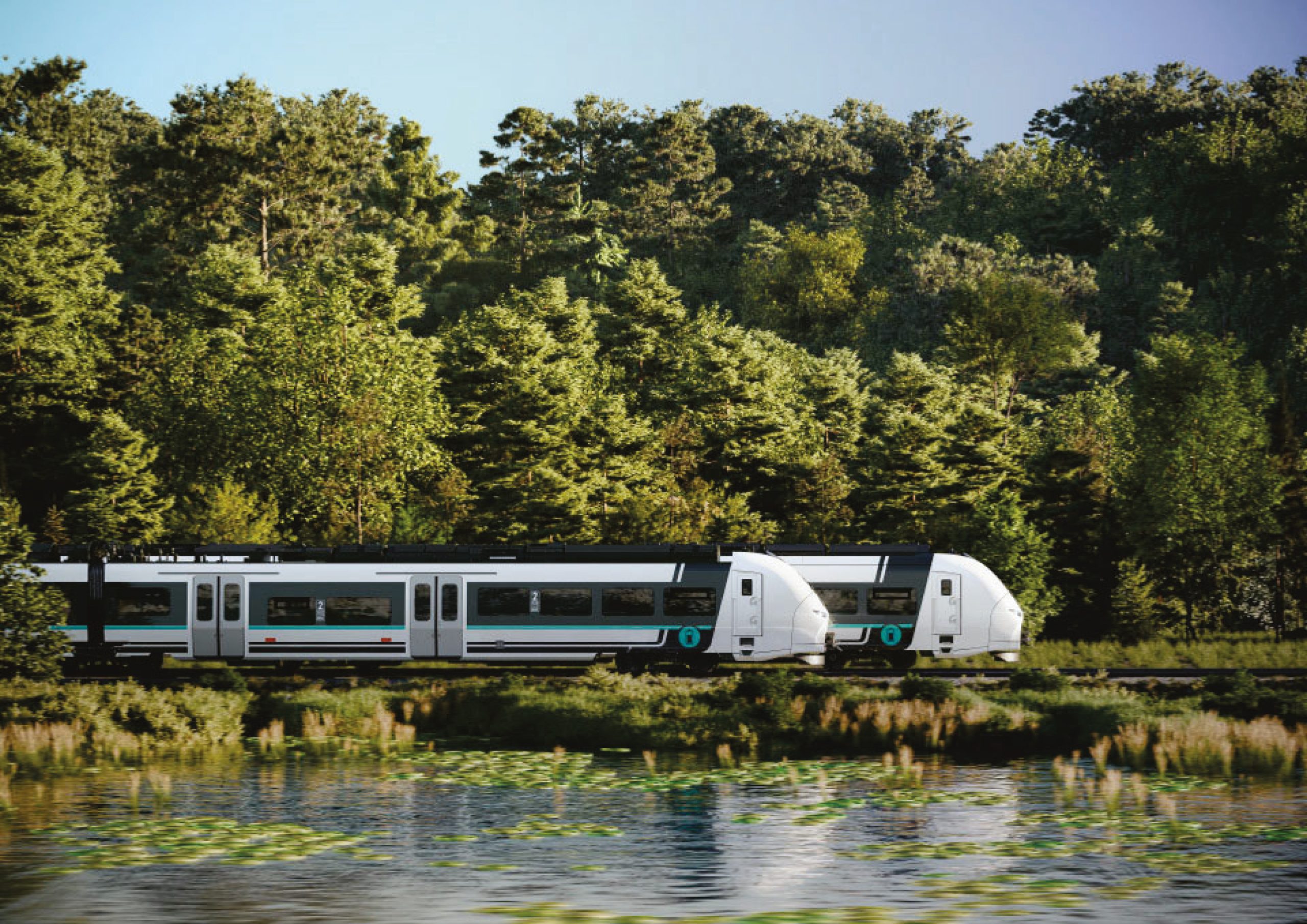
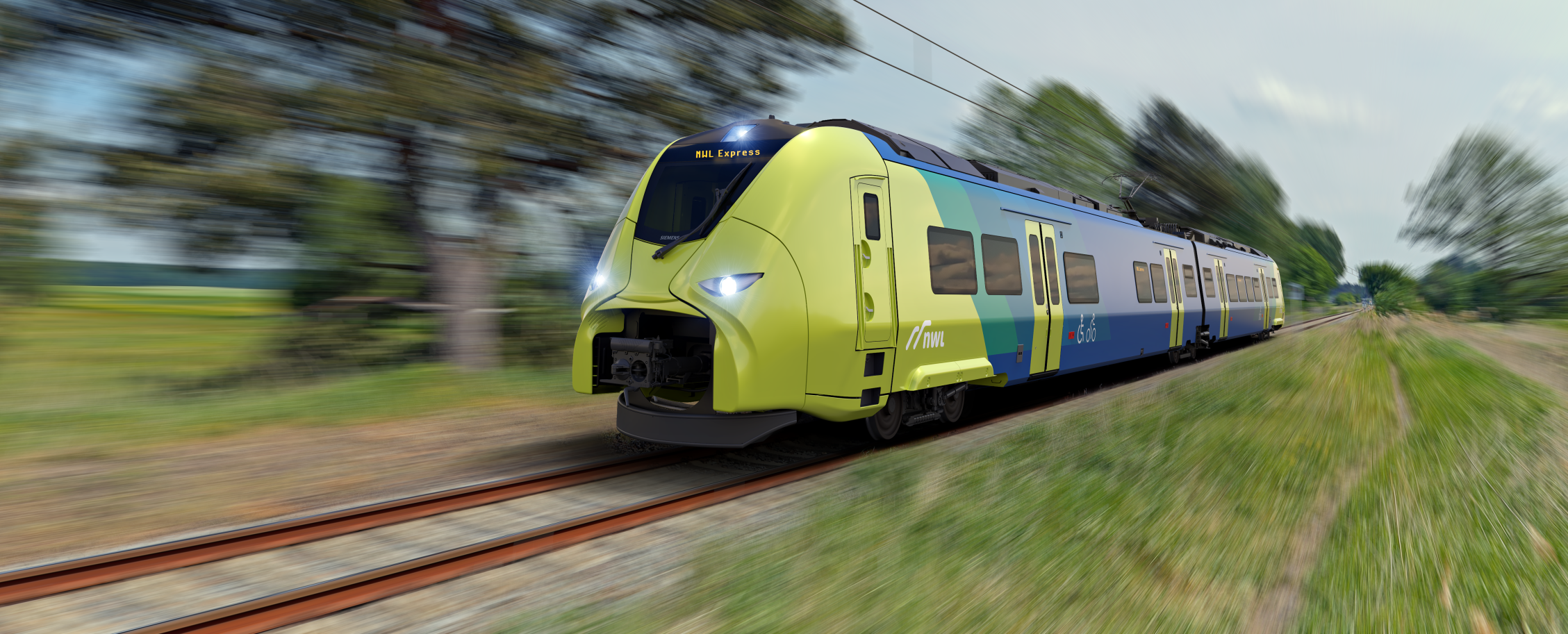
Manufactured by Alstom in Derby, using its Adessia Stream platform, the fleet will combine overhead electric power with battery capability
Railway Line
Connecting the North
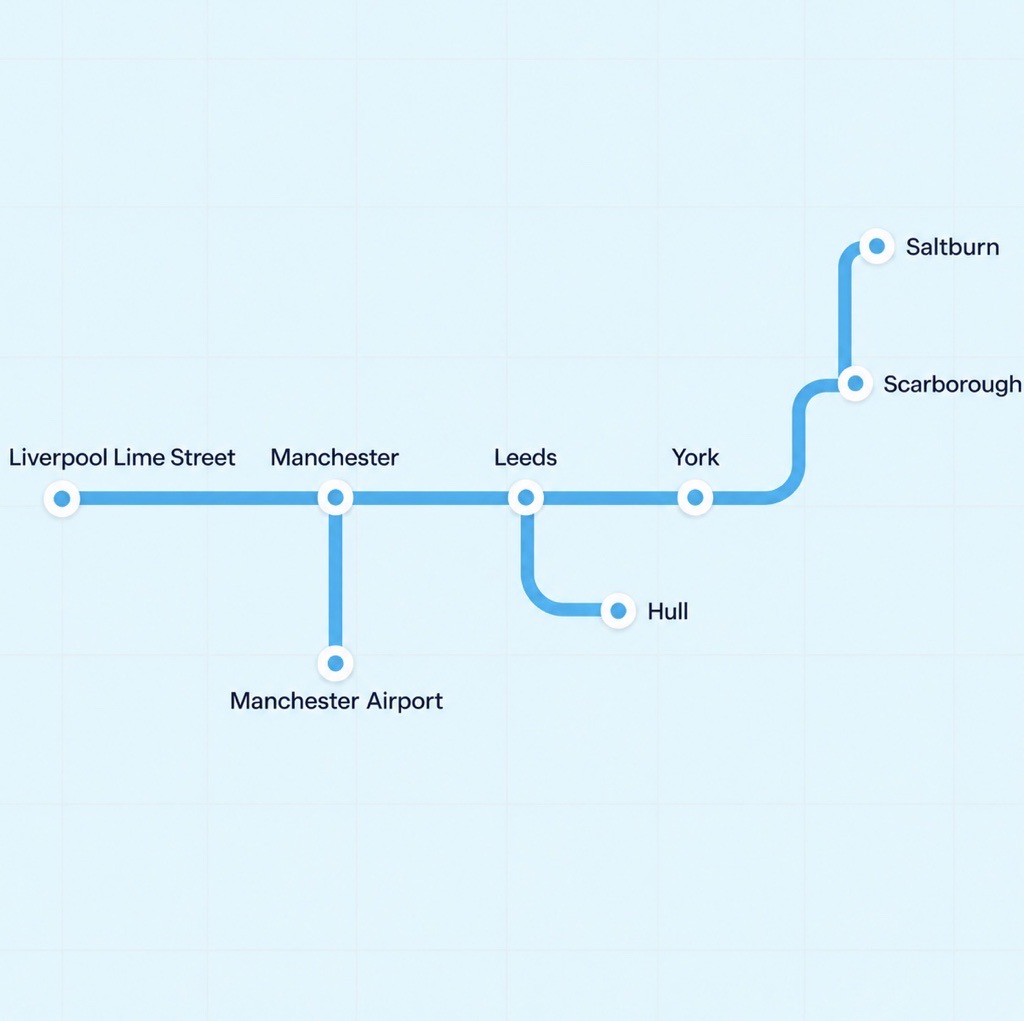
Powering a new era of cleaner, faster travel across the North, connecting its major cities, communities and coastal destinations.
Benefit
Benefits that move the North forward
From enhanced passenger comfort and greater accessibility to cleaner battery-electric technology and stronger connections across the North, the TransPennine Express fleet will deliver long-term value for passengers, communities and the environment.
Enhanced accessibility
Level boarding will be provided at every door, alongside three dedicated wheelchair spaces, two accessible toilets and family-friendly areas with buggy storage.
Improved passenger experience
Each train will offer approximately 300 seats, quieter interiors, Wi-Fi, air conditioning, power and USB-C charging, enhanced luggage provision, dedicated cycle storage and real-time passenger information.
Cleaner journeys
Battery technology will provide emission-free operation on non-electrified sections of the network, helping reduce reliance on diesel as the Transpennine Route Upgrade’s electrification is delivered in stages.
Supporting British jobs
The fleet will support more than 350 highly skilled jobs in Derby and over 5,500 roles across Alstom’s UK supply chain. At least £360 million is expected to be spent with British suppliers.
FAQ
Frequently asked questions
Clear answers to common questions about our zero-emission bus finance model.
What is the TransPennine Express project?
The project will deliver 29 new five-car battery-electric trains and associated charging infrastructure for TransPennine Express. The fleet forms part of the wider Transpennine Route Upgrade and will help transform journeys across the North of England.
Where will the new trains operate?
The fleet will connect major destinations including Liverpool, Manchester, Manchester Airport, Leeds, York, Hull, Scarborough and Saltburn.
What makes the new trains more sustainable?
The trains will use overhead electric power on electrified routes and battery power across sections without overhead wires. This will enable emission-free operation on non-electrified sections and reduce reliance on diesel.
What improvements will passengers experience?
Passengers will benefit from faster and quieter trains, approximately 300 seats per unit, improved luggage space, Wi-Fi, air conditioning, charging points, real-time information and dedicated cycle storage.
How will the trains improve accessibility?
The trains will provide level boarding at every door, a flat floor throughout the passenger areas, three wheelchair spaces, two accessible toilets and designated family and buggy areas.
When will the trains enter passenger service?
The trains are expected to enter passenger service in the early 2030s, aligned with the delivery of the wider Transpennine Route Upgrade.
Accreditations
Our trusted accreditations
Recognised by leading industry bodies, our accreditations reflect our commitment to quality, safety, and sustainability in every project we deliver.