

Rock named one of The Sunday Times Best Places to Work 2026 in first year of entry

We’re incredibly proud to share that Rock has been named one of The Sunday Times Best Places to Work 2026 – a significant achievement and one that feels especially meaningful as this is the first year we have entered the awards.

This recognition reflects the culture we are continuing to build across the business: collaborative, entrepreneurial, and genuinely people-focused. It also represents the strength of the team behind Rock, whose energy, commitment, and ambition shape the company every day.

Over the past year, Rock has continued to grow across investment infrastructure, expanding both our capabilities and our impact. As we do so, we remain deeply focused on ensuring that our culture keeps pace with our growth – one where people feel supported, trusted, empowered, and able to do their best work.

Being recognised in this way is particularly important to us because it reflects not just what we do, but how we do it.

Mark Swindell, CEO of Rock, commented:

“Building a successful business starts with building a great team and culture and the best asset we have is our staff. We are incredibly proud of what we are creating at Rock – a collaborative, ambitious and supportive environment where talented people can do meaningful work and grow alongside the business. This recognition is a reflection of every individual across the company.

We want everyone at Rock to feel a genuine sense of purpose in their work and to enjoy celebrating our shared successes together. We’re delighted to be recognised as one of the best places to work, and we’d like to thank all of our people for making that possible.”

A huge thank you goes to everyone across Rock for contributing to what makes the business such a special place to work. This recognition belongs to the entire team, and we are incredibly grateful for the part each person plays in shaping Rock’s culture and continued success.
 

Recent articles

Rock Rail Supports Rail Safety Education Initiative Reaching Nearly...

Rock Rail has continued its partnership with Learn Live and the Rail Safe Friendly programme, supporting rail...

Rock Expands German Platform with Senior Appointment

London – May 2026 Rock is pleased to announce the appointment of Benjamin Hemming as Partner and...

Rock Rail reaches financial close on battery-electric rolling stock...

FOR IMMEDIATE RELEASE 23 April 2026 Rock Rail reaches financial close on battery-electric rolling stock project in...

Driving Net Zero: How Rock Road 
Is Funding the UK’s Bus Transition

Accelerating the shift to clean, affordable, zero-emission transport

Year
2025
Category
Rock Road
Share

The Challenge

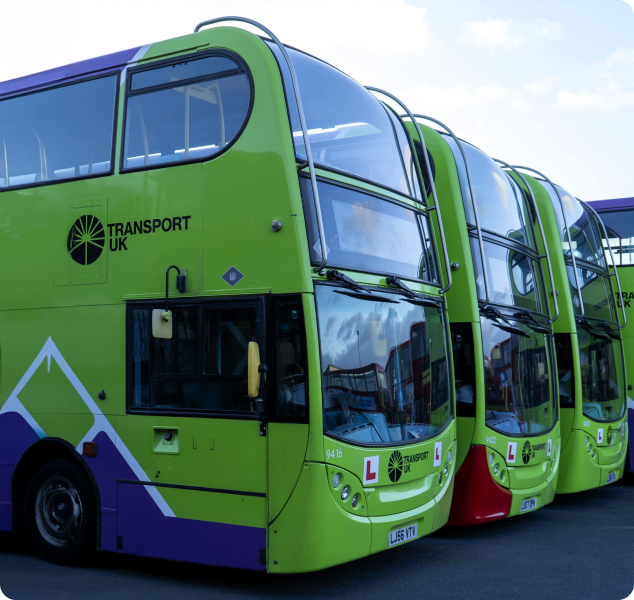
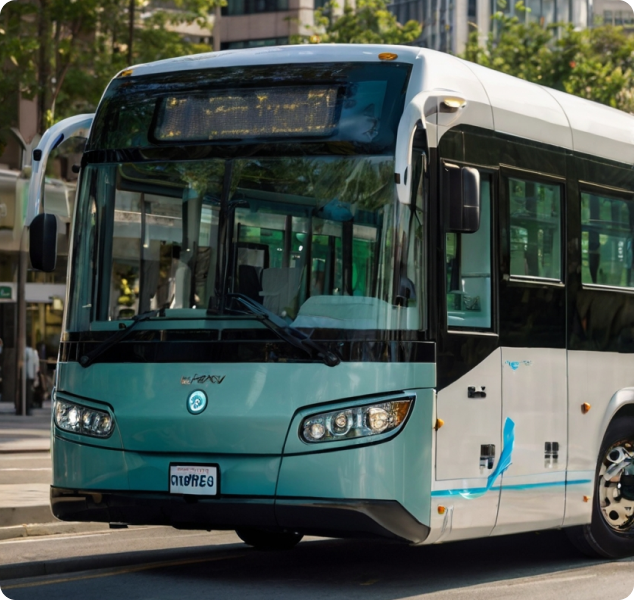
The UK bus network is at the heart of everyday travel – but over 30,000 diesel buses still need replacing to achieve a fully zero-emission fleet.

While around 5,000 battery-electric buses are already on the road, the high upfront cost of electric vehicles and depot electrification continues to slow the transition. Traditional funding routes — such as government grants or short-term bank finance – have helped start the journey but cannot support decarbonisation at the scale required.

A new, sustainable funding model was needed: one that could attract long-term capital, spread costs fairly, and give operators and authorities confidence in the future.

The Solution

In 2021, Rock launched Rock Road to deliver exactly that –  applying its proven infrastructure financing approach from the rail sector to the UK’s clean bus revolution.

Working with Aviva, the National Wealth Fund, and HSBC, Rock created a dedicated investment platform that channels infrastructure-style finance from pension funds and institutional investors directly into zero-emission bus projects.

This model provides:

Impact

The platform has already raised £100 million, with capacity to scale to £1 billion per year over the next decade – providing a consistent source of affordable capital for local authorities and operators.

Rock’s model ensures that the total cost of ownership (TCO) of electric buses can now be lower than diesel equivalents, thanks to both cheaper long-term finance and reduced operating costs.

In London, Rock has financed 120 zero-emission buses under 7-year leases aligned with Transport for London’s contract lengths. This structure gives operators flexibility and certainty:

The Future

Rock Road’s ambition is to support the rollout of zero-emission fleets across the UK – helping local authorities and operators meet climate goals without overextending public budgets.

By leveraging limited government funding to attract large-scale private capital – for example, £10 million of public investment unlocking over £250 million in total funding – Rock’s model accelerates decarbonisation while keeping costs low for the public sector.

Our ambition is to make electric buses the default choice - not because of subsidy, but because they are the best economic and environmental option.
Louis Swindell
Commercial Director, Rock Road