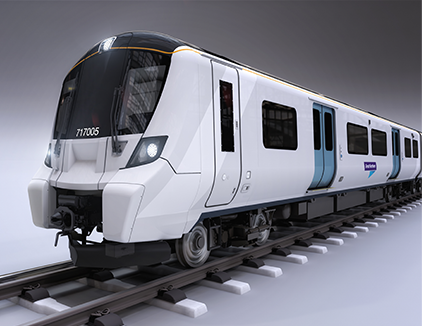
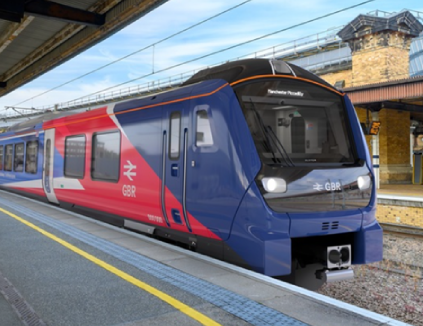


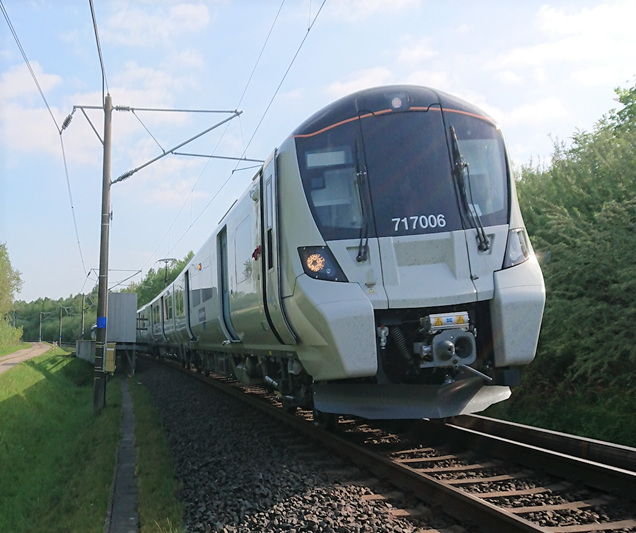
The programme to introduce a £200 million fleet of brand new trains for Govia Thameslink Railway (GTR) on services between Hertfordshire and Moorgate has passed an important milestone with over half the carriages now manufactured and entering the testing phase.
Eleven newly-built Class 717 Desiro City trains are now undergoing testing whilst a further fourteen trains are currently in the process of being manufactured. The full fleet of 25 trains is expected to be phased into service from late autumn this year until next spring.
A Siemens team of approximately 200 people is delivering the manufacturing, commissioning and testing phase, which involves testing the new Class 717 Desiro City trains against a variety of measures, including putting the trains in a climatic chamber to assess their endurance in extreme weather conditions.
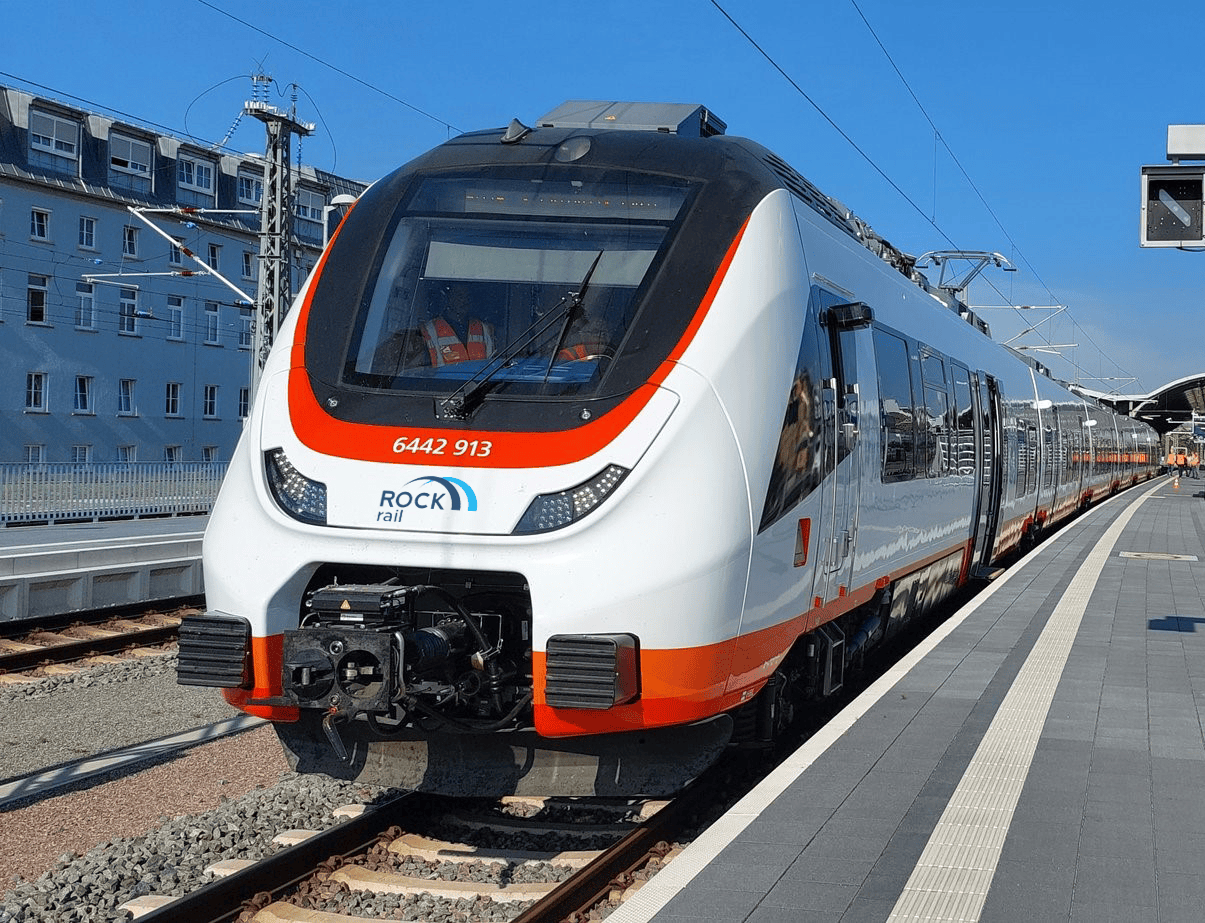
The 25 six-car trains, financed by Rock Rail Moorgate, (a joint venture between Rock Rail Holdings and Aberdeen Standard Investments), represent the first fleet of trains to be introduced into the UK using a new model for financing rolling stock. For the first time financing has been provided through direct long-term investment from pension and insurance companies, delivering benefits not only for the rail passenger, but also for pensioners and the wider economy.
The Class 717s will replace the existing Great Northern fleet of Class 313 trains, built in the late 1970s, and will operate on Great Northern suburban services from Welwyn Garden City, Hertford and Stevenage to and from Moorgate in the City of London. Bringing a 27 per cent increase in fleet capacity, these trains are a key element of RailPlan 20/20, the programme by Great Northern’s parent company Govia Thameslink to carry 60,000 more passengers through, in and out of central London.
The Siemens-built trains will offer passengers a range of benefits including more space on board thanks to full width inter-vehicle gangway, climate-controlled air-conditioning, and advanced information systems providing updates in real time. All carriages are equipped with full Wi-Fi functionality and power points.
Richard Carrington, Director of Rolling Stock Projects at Siemens, said:
“The testing phase marks an important milestone in plans to introduce this new fleet of advanced trains for Great Northern services.
“We have designed and built the trains with one goal in mind – to transform passenger journeys to and from London by ensuring that services are reliable and offer as much space as possible. It’s therefore crucial that the trains are put through this testing to ensure they’re fit to meet this purpose and allow passengers to enjoy the full benefits of these new and modern carriages.”
Gerry McFadden, Engineering Director of Govia Thameslink Railway, said:
“We’re bringing in these spacious new trains as part of our RailPlan20/20 programme to modernise services on Govia Thameslink Railway.
“The Class 717s will transform journeys for passengers on our busy metro services into Moorgate. They will all be the maximum length for this route and feature air conditioning as well as power points, Wi-Fi and real-time passenger information screens to make travelling with Great Northern a much more comfortable and convenient experience.
“Wide doors and spacious interiors will help address the huge increase in passenger numbers into Moorgate that have doubled in just 14 years. Easier movement on-board will also help passengers board and alight promptly, helping us keep trains running on time.
“We will maintain these trains at our Hornsey depot, where a £multi-million investment is providing the new facilities and equipment.”
Mark Swindell, Chief Executive Officer of Rock Rail, said:
“The testing of the Class 717 trains represents a key milestone in the successful delivery of the first of the fleets owned by Rock Rail and equity partner Aberdeen Standard Investments.
“We are proud to be part of a collaboration with Govia Thameslink Railway and Siemens and with our investor partners to drive better value for the UK tax payer and government and to deliver step changes in improved capability, services and travelling experiences for passengers on the Great Northern services between Moorgate and Hertfordshire.”