

Investment Value
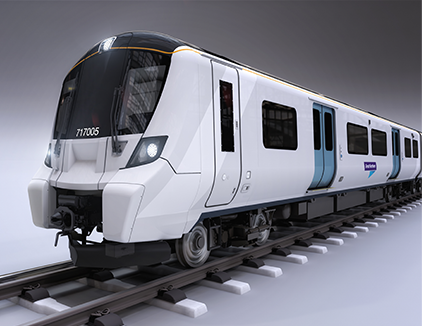
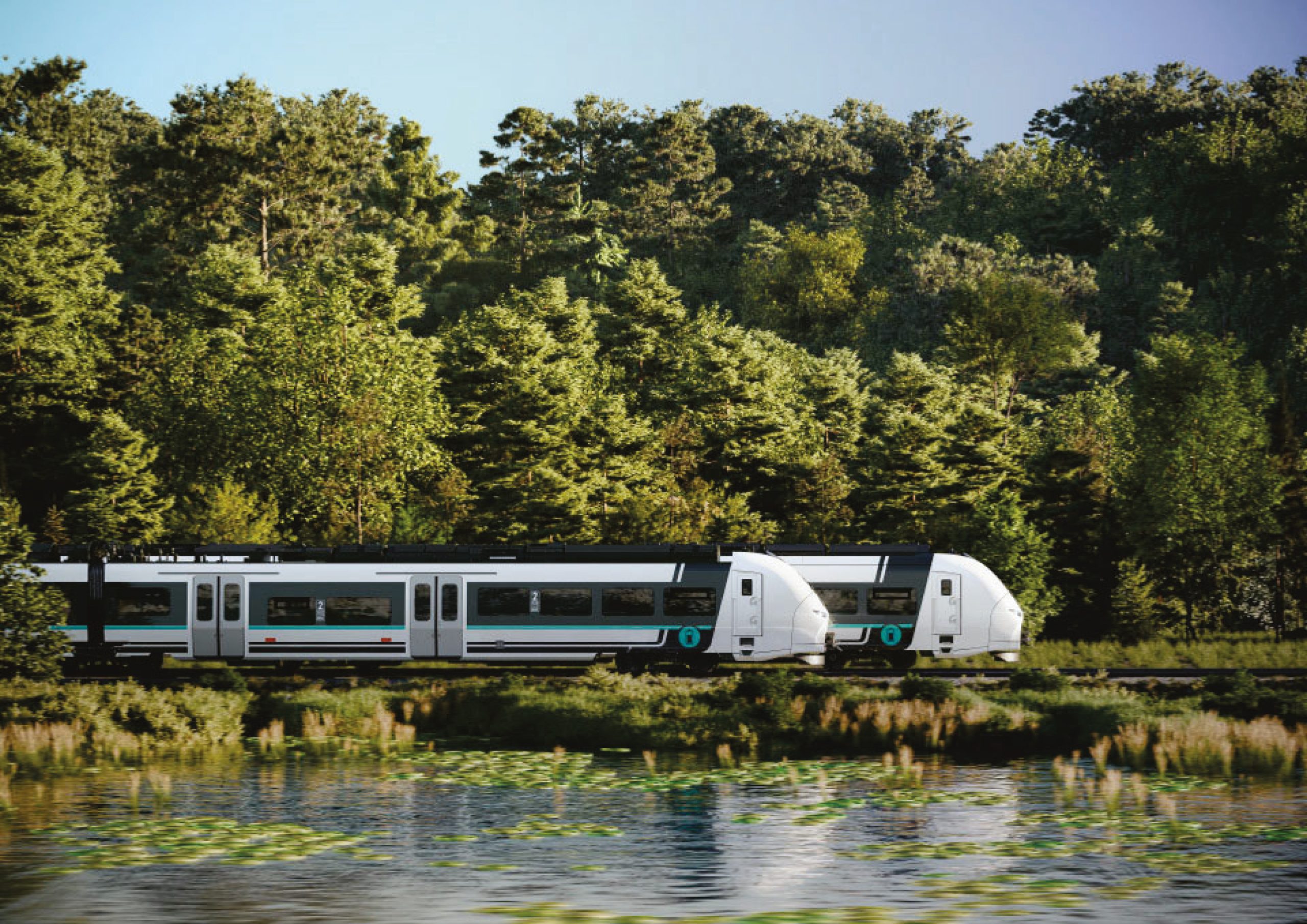
The fleet has fully entered into service and has an optimised specification which meets the bespoke needs of Moorgate routes.
The units have been gauged for the Victorian tunnels and have the associated necessary safety features for operation in the tunnels, including end doors.
25 6-car units, each car c. 20m (total c. 120m)
Class / Train
Year agreed: 2016
Year entered into service: 2019
Railway line
Fast, Reliable and Sustainable
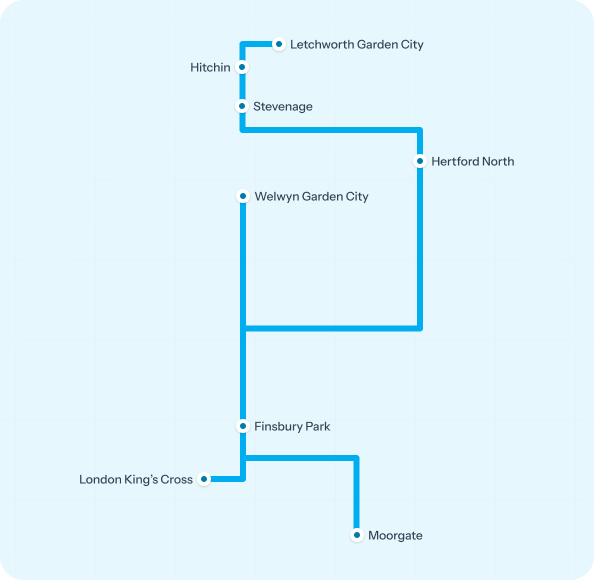
The Class 717s operate at speeds up to 85 mph (100 mph after 2025 upgrade) with excellent acceleration and reliable service on commuter routes between Moorgate and Hertfordshire.
Dual-voltage and advanced signalling allow flexible, safe, and efficient operations. With a design life of 35+ years, the fleet delivers faster, smarter, and greener journeys for London commuters.
Benefits
Benefits that move the nation forward
From enhanced passenger comfort to greener technology and stronger regional links — the Moorgate fleet delivers long-term value for communities, operators, and the environment.
Flexible Operations
Dual-voltage capability allows seamless operation on overhead and third-rail routes into Moorgate and across Hertfordshire.
Passenger Comfort & Safety
Purpose-built for tight Victorian tunnels, the trains feature spacious interiors, advanced safety systems, fire-retardant materials, and ETCS digital signalling for safer, more reliable travel.
Future-proof Infrastructure Investment
Build on a modern EMU platform with long asset life, the fleet delivers enduring value and remains well aligned to future regulatory and network requirements
Sustainable Travel
Modern, energy efficient units help reduce emission while providing quieter, smoother journeys. Software upgrades in 2025 will further enhance performance.
Reliable, high performing assets
The Class 717 fleet delivers strong reliability across the Moorgate suburban network, supporting consistent operations and reinforcing long-term lease stability.
FAQ
Frequently asked questions
Who built the Moorgate fleet?
Siemens, using its Desiro City platform.
When did the trains enter service?
Between 2018 and 2019.
What types of trains are included?
Class 717 EMUs – six-car commuter units.
Are the trains accessible and safe?
Yes – purpose-built for Moorgate tunnels, dual-voltage capable, equipped with advanced safety systems, fire-retardant materials, and ETCS signalling.
Why did Rock Rail invest in this fleet?
Rock Rail invested to support the replacement of life-expired rolling stock with modern, reliable and energy-efficient trains. The fleet provides long-term, stable lease revenues while improving capacity, comfort and performance for London commuters.
What benefits does the fleet offer for passengers?
Passengers benefit from air-conditioning, walk-through carriages, real-time information screens, high accessibility standards, and a layout designed to support rapid boarding during peak hours.
How does the fleet support sustainability objectives?
As a fully electric, energy-efficient fleet, the Class 717 helps reduce carbon emissions and supports the continued shift toward greener, more sustainable urban mobility.
Accreditations
Our trusted accreditations
Recognised by leading industry bodies, our accreditations reflect our commitment to quality, safety, and sustainability in every project we deliver.