

Overview
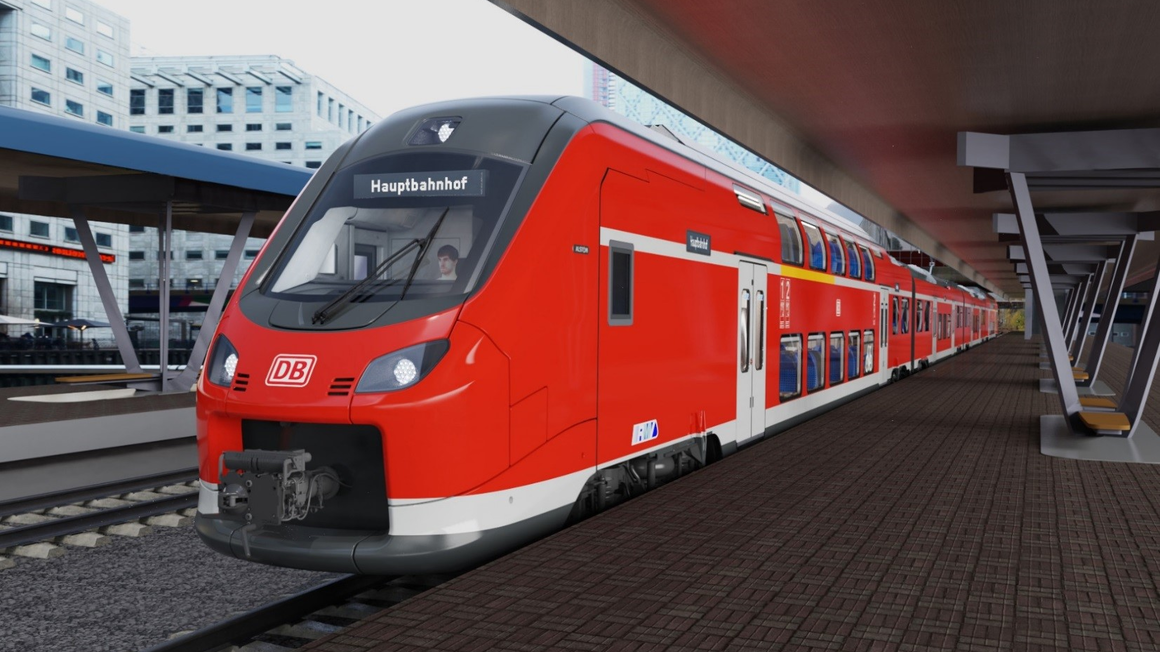
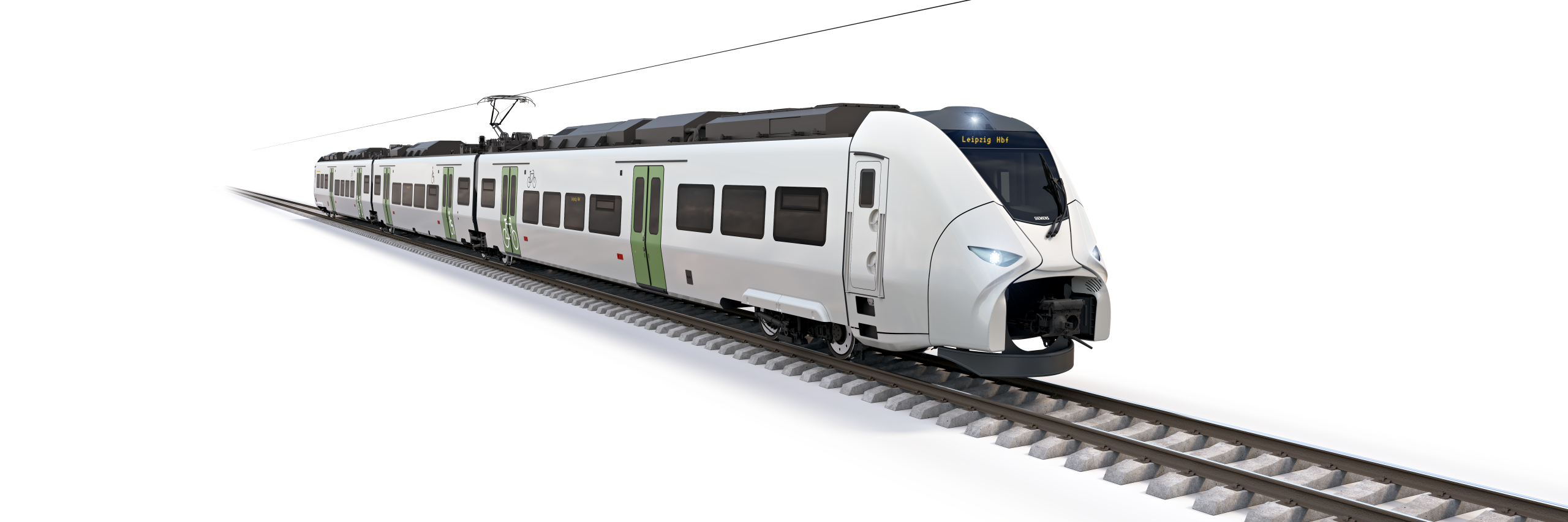
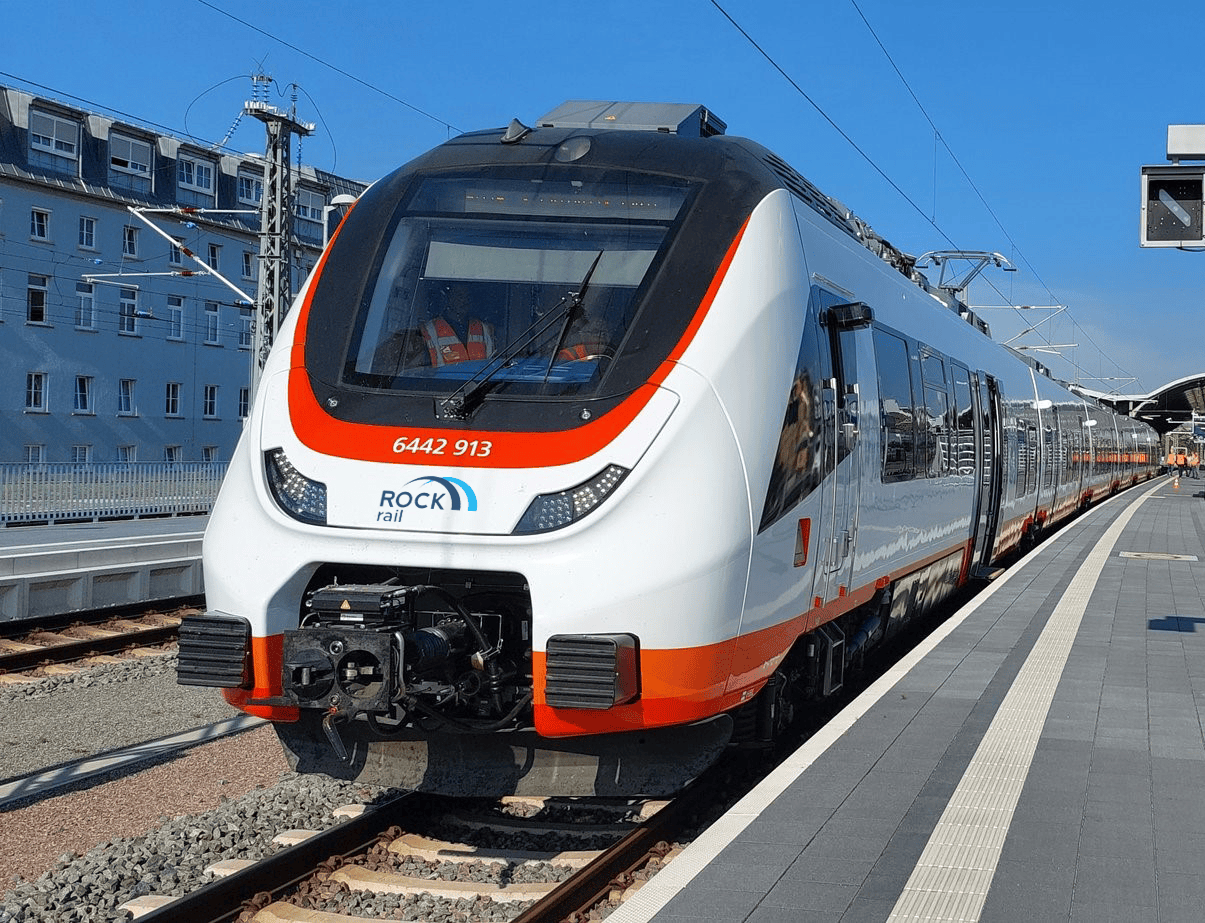
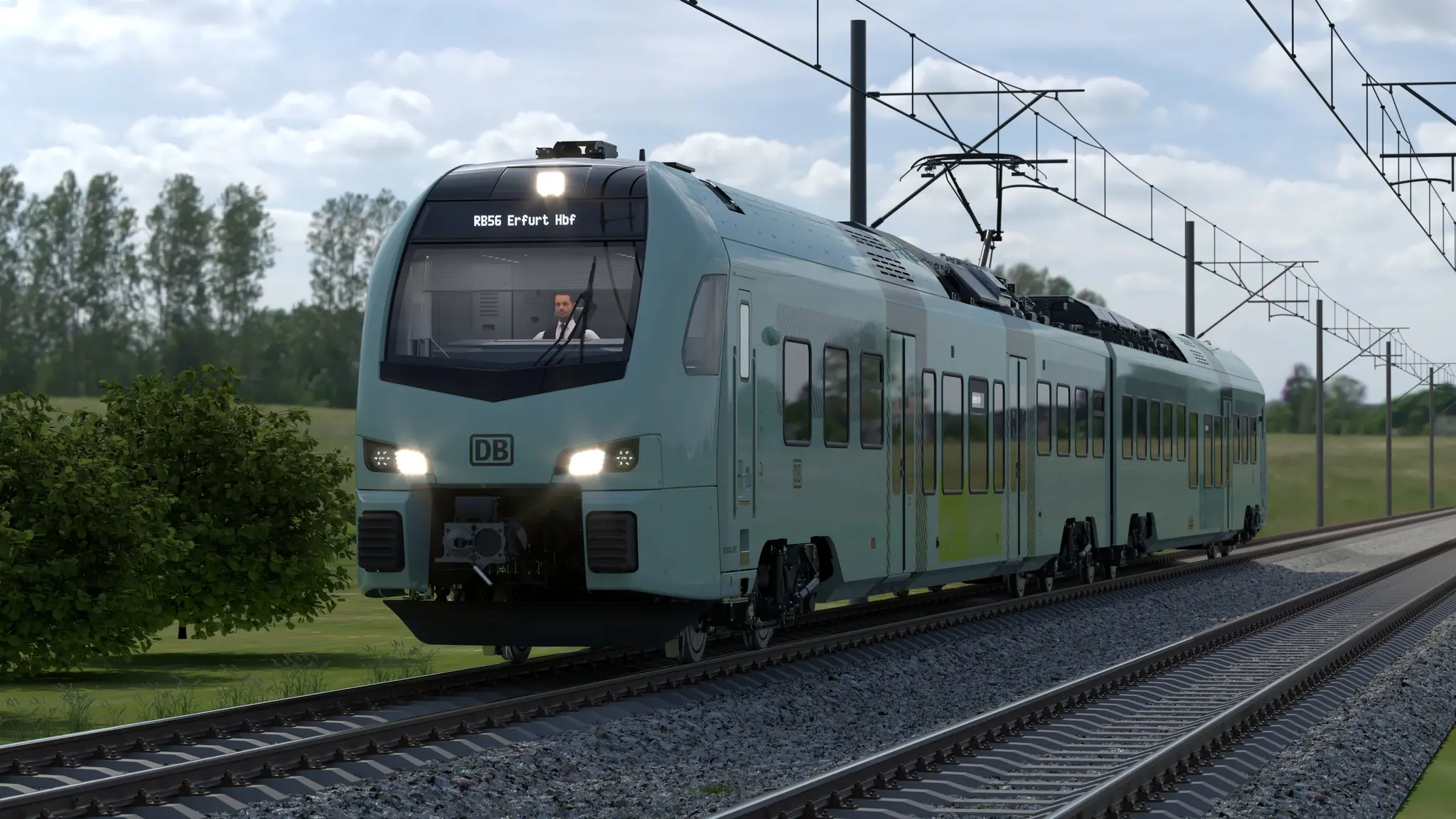
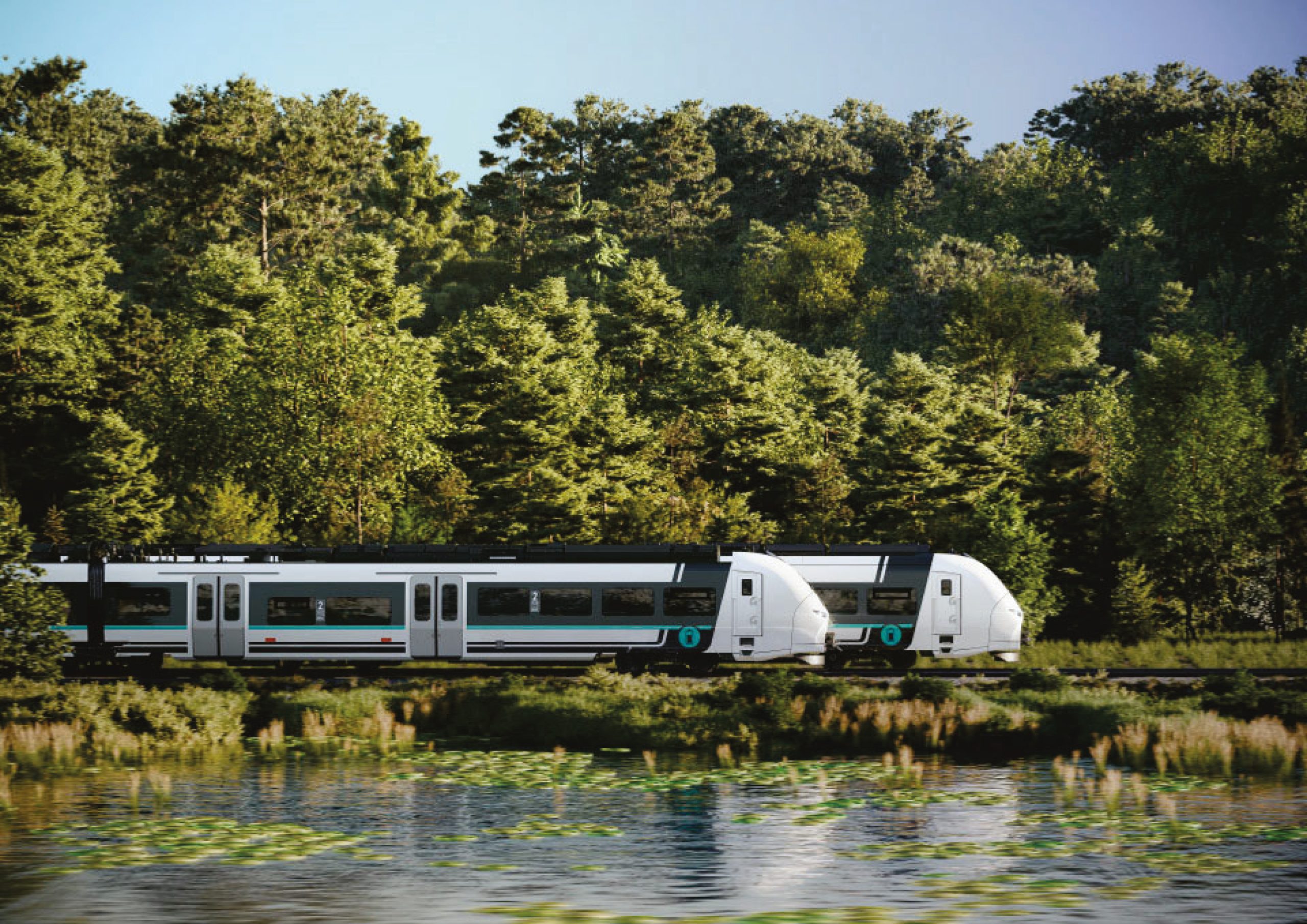
Rock Rail Germany’s debut investment delivers a brand-new fleet of Coradia Max double-deck trains for DB Regio, operating on the Main-Weser network under contract to Rhein-Main Verkehrsverbund GmbH (RMV).
Proudly financed through a partnership between Aberdeen and MEAG.
13 four-car and 4 five-car units
+15% seating capacity with the previous fleet
Innovation
Single and double deck design for optimal capacity
Successful delivery
Procured in 2022 and operational in 2026
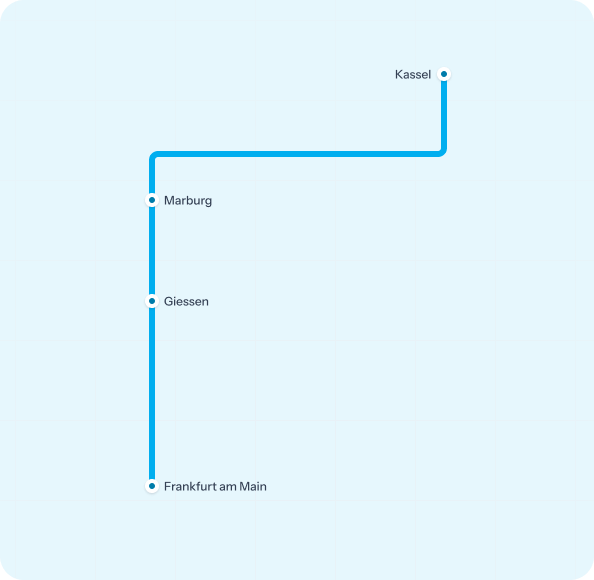
Railway line
Connecting Hessen with Sustainable Mobility
This landmark deal marks Rock Rail’s expansion into the German market – bringing our successful UK and European financing model to support cleaner, more efficient regional rail.
Benefit
Designed for Passengers and the Planet
These new trains deliver cleaner, quieter and more comfortable journeys whilst boosting capacity and accessibility across the Mein-Weser network.
More environmentally friendly and quieter than the diesel trains they replace
Reducing noise and pollution, these trains offer a smoother, greener rail experience.
Faster, free Wi-Fi throughout
Stay connected seamlessly throughout your journey.
Safety
Improved gap bridging for safe4r and smoother boarding
Enhanced acceleration
Faster acceleration and braking, improving relability and energy efficiency
Space for other transport vehicles
Dedicated space for up to 30 bicycles
Boarding
Uniform boarding height for easier access
Accessbility features
TSI PRM standards are met, including PRM-accessible lavatories
Significantly more seating capacity
More space for passengers, less overcrowding during peak times.
FAQ
Frequently asked questions
What is the Main-Weser Project?
The Main-Weser project is Rock Rail Germany’s first investment in the country, financing a brand-new fleet of Coradia Max double-deck trains for DB Regio. The trains will operate on the Main-Weser network, improving regional mobility and sustainability.
How many trains are being delivered?
A total of 17 trains are included: 13 four-car units and 4 five-car units. The fleet combines single-deck and double-deck cars to maximise capacity and comfort.
What benefits do the new trains provide?
The Main-Weser trains are designed to:
Increase seating capacity by 15%
Provide spacious interiors with WiFi and modern passenger information systems
Include dedicated bicycle spaces and improved boarding for accessibility
Offer energy-efficient performance, including enhanced acceleration and braking
Who are Rock Rail Germany's partners on this project?
Rock Rail partnered with institutional investor Aberdeen for equity and MEAG as senior debt arranger, alongside DB Regio and RMV. Together, they deliver a sustainable, long-term solution for regional rail investment.
How does this project support sustainability?
By replacing older rolling stock with modern, energy-efficient trains, the Main-Weser project reduces carbon emissions, improves energy efficiency, and contributes to a greener transport network in Hessen.
Why is this project significant for Rock Rail Germany?
Main-Weser is Rock Rail’s first German investment and represents over three years of development work, opening the German market to institutional-led financing models for sustainable rail infrastructure.
Accreditations
Our trusted accreditations
Recognised by leading industry bodies, our accreditations reflect our commitment to quality, safety, and sustainability in every project we deliver.