

Investment Value
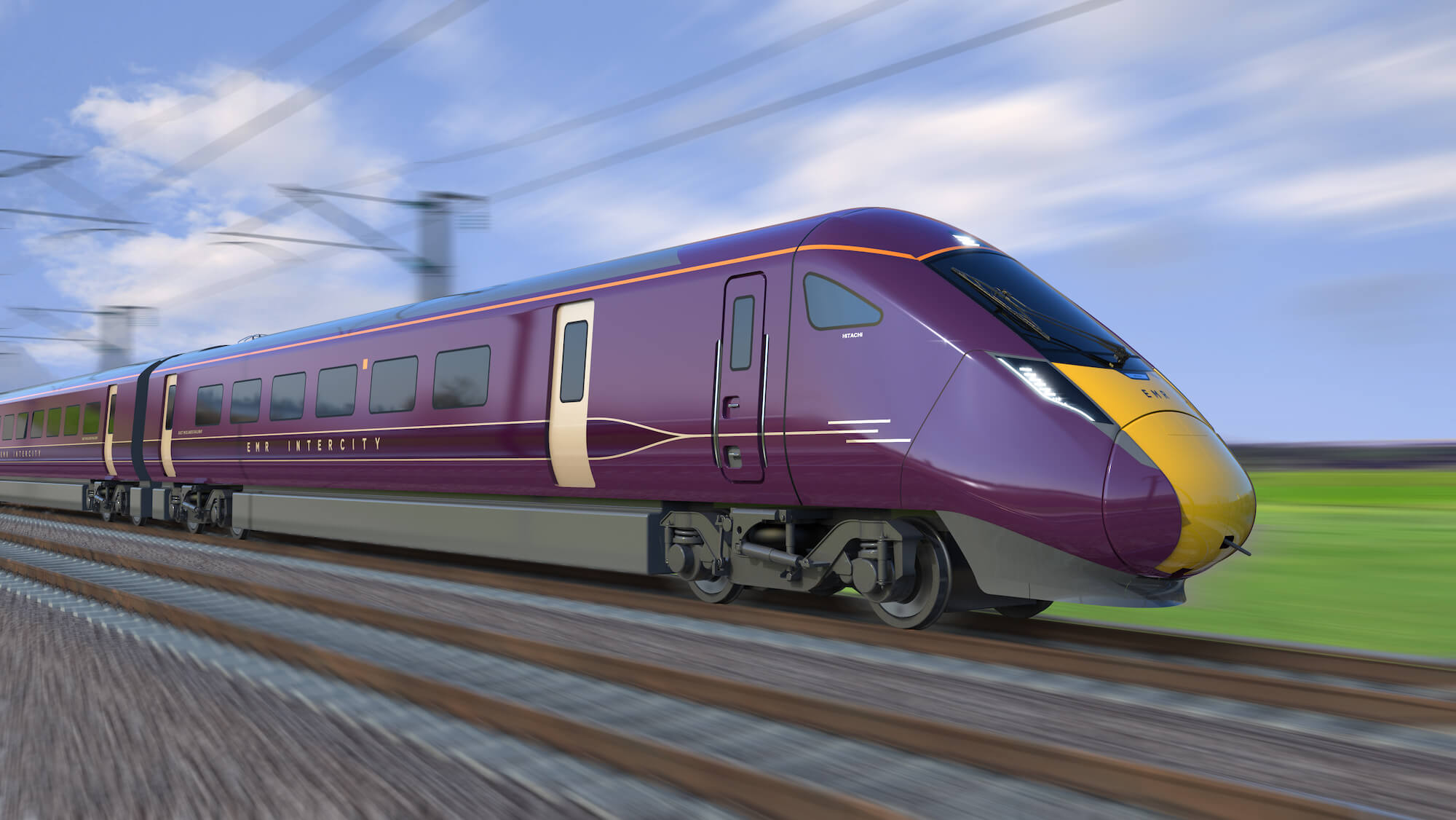
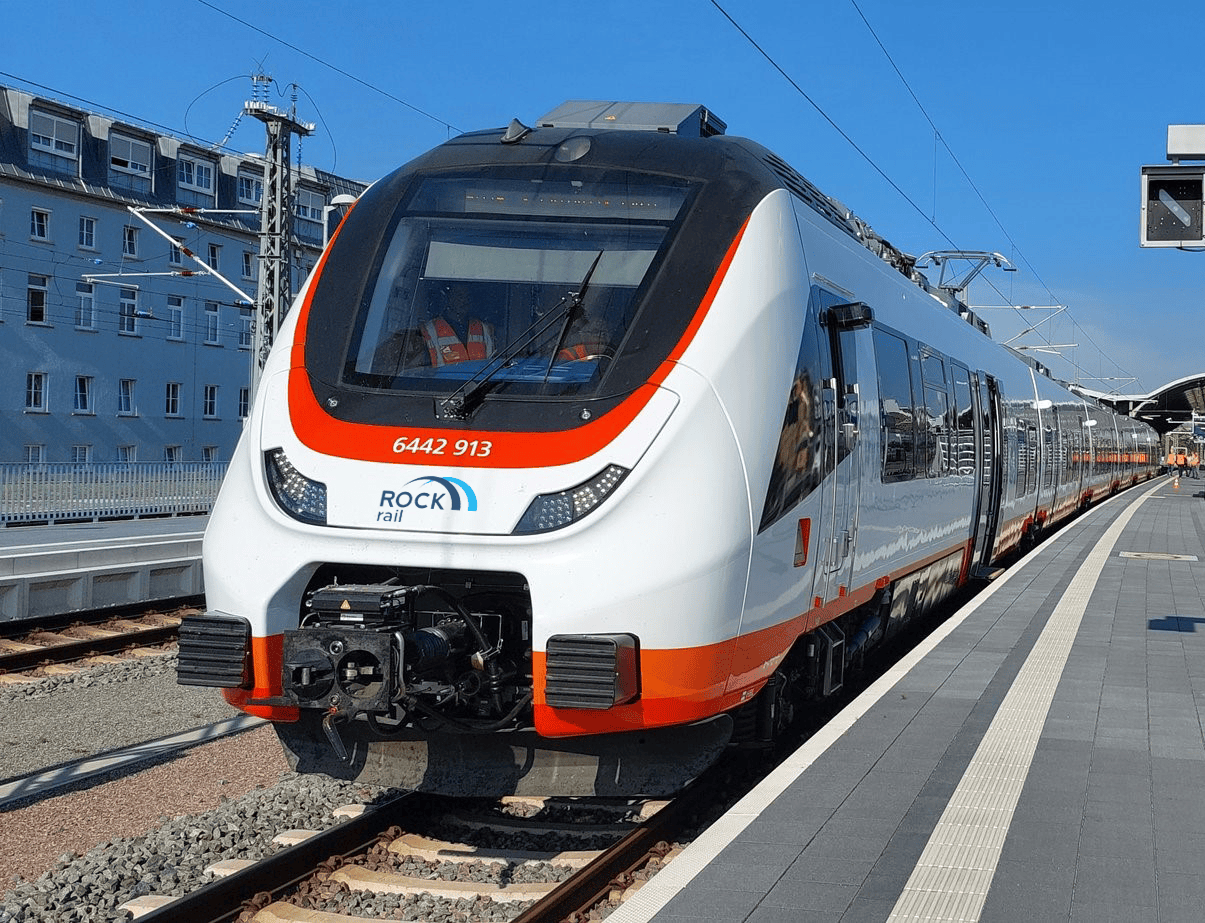
Rock Rail partnered with Abellio UK to finance a new £400 million fleet for the East Midlands Railway franchise, working alongside Japan Infrastructure Initiative – now part of Mitsubishi HC Capital Inc.
The deal reached financial close in just 22 days, marking one of the fastest transactions of its kind.
Class / Train
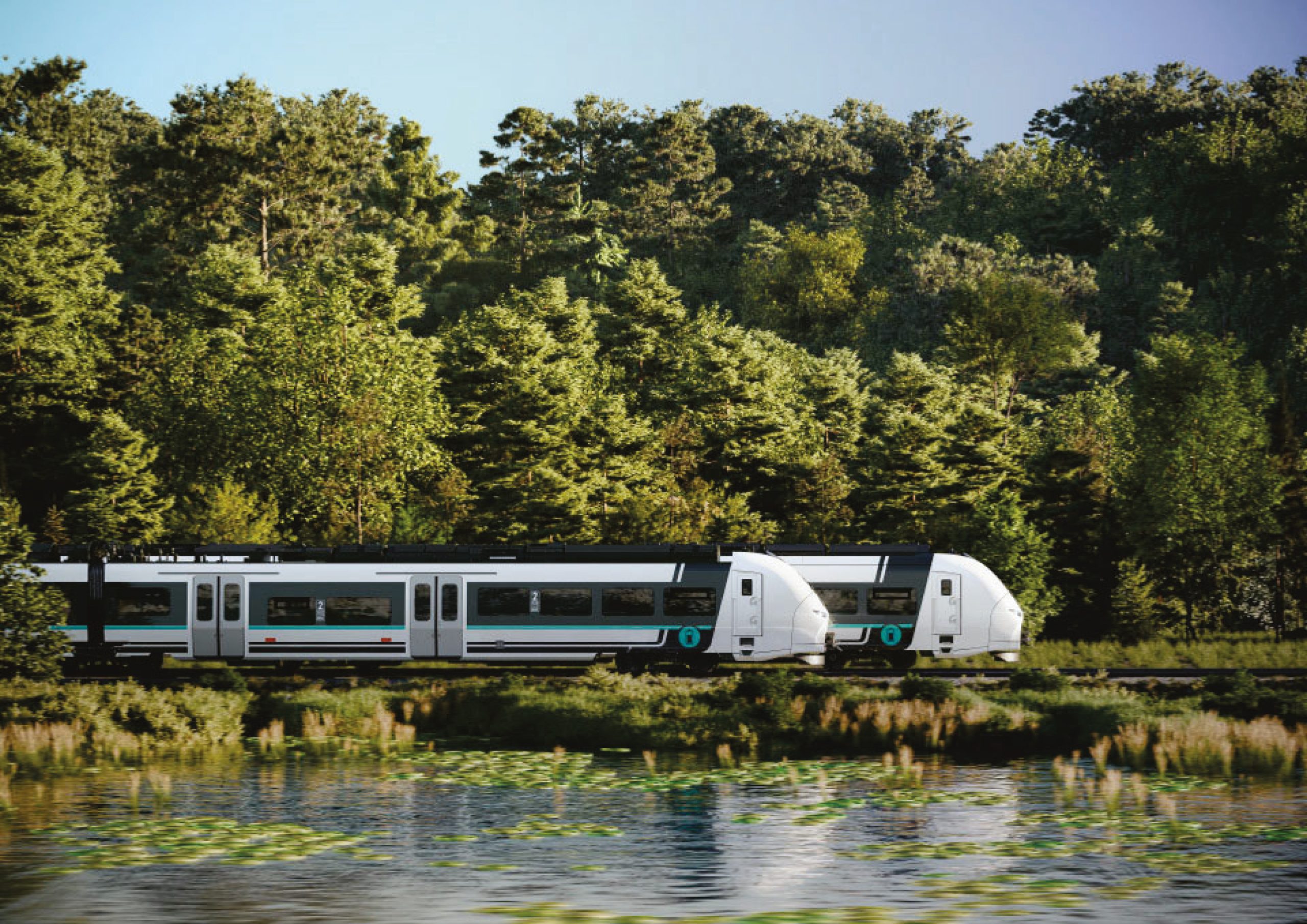
810 Hitachi AT300 (bi-modes)
Year agreed: 2019
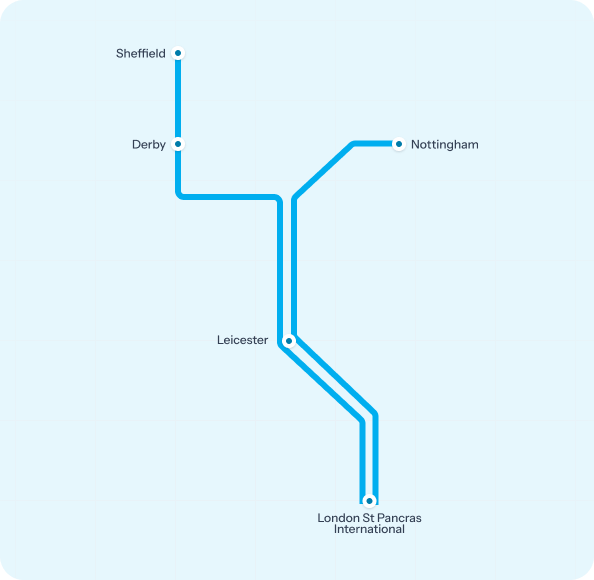
Railway line
A New Era for Rail Travel in the East Midlands
The East Midlands fleet sets a new standard for efficient, low-emission intercity travel – delivering lasting benefits for passengers, operators and the environment.
Benefit
Benefits that move the nation forward
From enhanced passenger comfort to greener technology and stronger regional links — the East Midlands fleet delivers long-term value for communities, operators, and the environment.
High Performance Bi-Modes
Hitachi-built trains combining electric and diesel power for faster, more flexible intercity travel.
Innovative Investment
£400m project financed by UK and international investors, reflecting confidence in Rock Rail’s sustainable funding model
Greater reliability
Faster acceleration, quieter journeys, and improved performance across both electrified and non-electrified routes
Greener journeys
Quieter cleaner and more energy efficient than the previous diesel fleet
Modern comfort
Stylish interiors, improved seating, better lighting, and enhanced WiFi for a smoother, more enjoyable journey
More capacity
Increased seating and smarter layouts to make every journey more comfortable, even at peak times
FAQ
Frequently asked questions
Who manufactures the East Midlands fleet?
Hitachi, using their proven AT300 bi-mode platform.
When will these trains enter service?
Entry begins in 2025, with full rollout continuing thereafter.
How many Class 810 Aurora units are there?
There are 33 five-carriage Class 810 Aurora units on order.
What makes the new trains different?
They feature modern interiors, improved seating, better lighting, USB and plug sockets at every seat, enhanced Wi-Fi, and real-time travel information.
What are the environmental benefits of the Aurora fleet?
Bi-mode operation: uses electric power on electrified sections, switching to diesel when needed.
Lower emissions: significantly reduced particulate matter compared to older diesel fleets.
What is the impact of the fleet on the wider East Midlands region?
The Aurora fleet enhances connectivity, supports economic growth, and strengthens the long-term performance of the rail network. By replacing older rolling stock, it improves punctuality, journey quality and service capacity for millions of passengers.
Accreditations
Our trusted accreditations
Recognised by leading industry bodies, our accreditations reflect our commitment to quality, safety, and sustainability in every project we deliver.