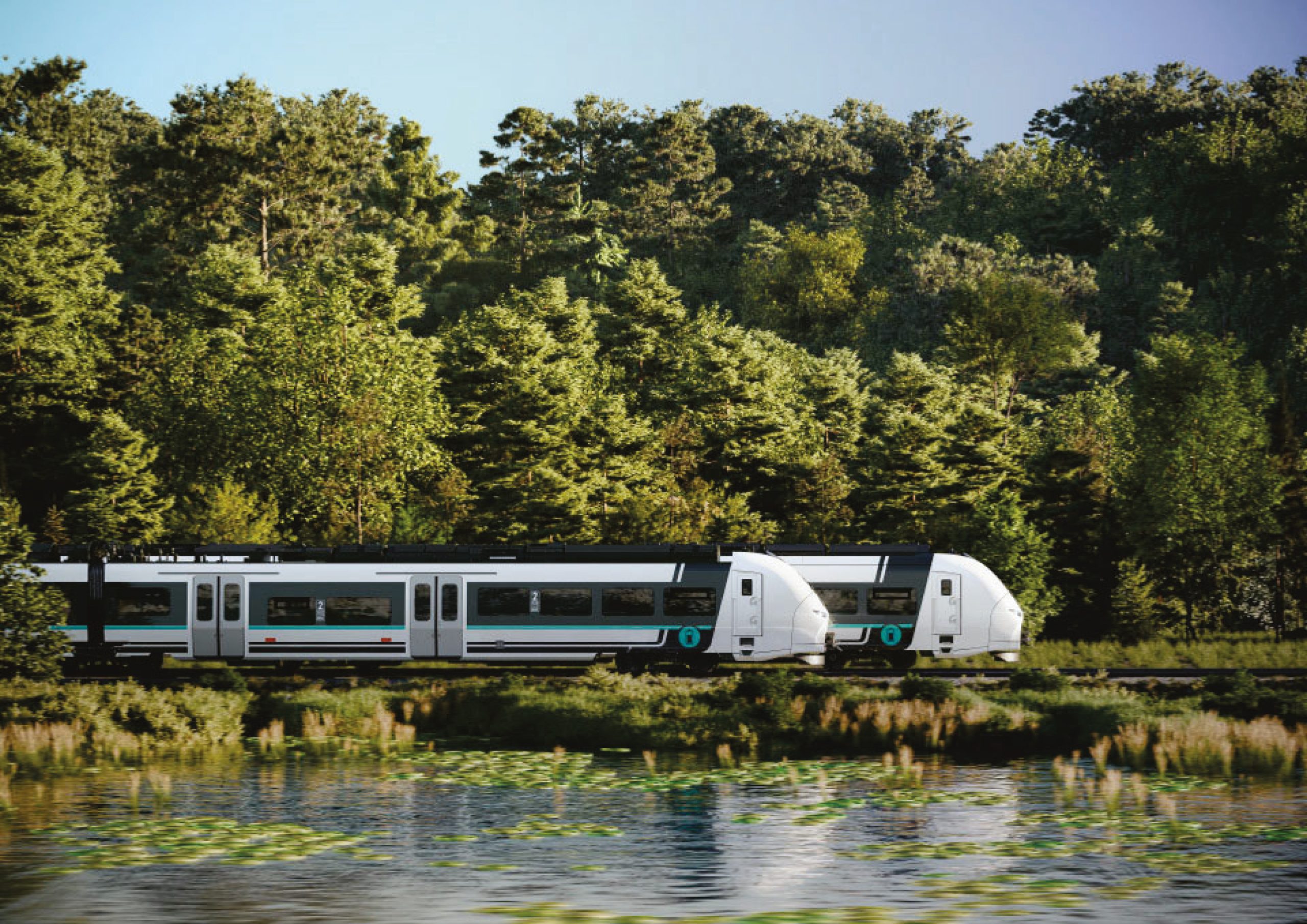


Rock Rail, Technical University of Dresden and University of Birmingham announce joint research initiative into innovative battery technology as a green traction alternative for the railway sector.
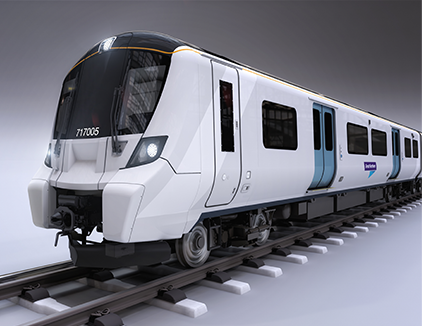
The Technische Universität Dresden and the University of Birmingham have come together and started a research project focused on battery-powered traction technology for railways. Rail developer, investor and asset management company, Rock Rail, is a key player in rolling stock leasing and initiated the project to support its activities in Germany to provide innovative rail funding solutions that deliver sustainable traction technology, including electrical and battery-driven propulsion. Currently, this research project is one of four international projects that are being consolidated in the Saxony railway innovation cluster SET4FUTURE of BTS Rail Saxony.
Battery vs. diesel – How the rail industry can become even more eco-friendly
Rail is already one of the most eco-friendly and sustainable transport modes in the world. However, there is always room for improvement to its carbon footprint and traction represents a significant portion of the energy needed to run a railway. Electrification using overhead wires is already an efficient and potentially emission-free way to propel trains. According to leading German rail industry body, Allianz pro Schiene, currently 60% of Germany’s federal rail networks are electrified. The high cost of electrification infrastructure however means full electrification of all German rail networks is not economically viable. A solution can be found by replacing diesel technology with low-carbon alternatives for propulsion. The collaborative research project between the Technische Universität Dresden and the Birmingham Centre for Railway Research and Education at the University of Birmingham is exploring these green power alternatives.
“For more than 10 years we have been conducting research on alternative electric propulsion for modern rail vehicles. Now this topic has reached the public market and requires a swift assessment of the various operating options. We can achieve this with the conjoint support of our colleagues in Birmingham in the best manner. Railways are a European transport vehicle and therefore require solutions on a European level.“ Prof. Dr.-Ing. Arnd Stephan, Chair for Electric railways at TU Dresden.
The 3-month project will look at the extent to which battery technologies are able to substitute for traditional diesel traction on the German network.
“We are really pleased to be working with our industry partner Rock Rail and our friends at the Technische Universität Dresden on this relevant research assessing battery technology for trains. Rail decarbonisation is the big challenge facing the global rail industry and our two universities are at the forefront of research and development work in this field. As leaders in the field of railway traction power and energy systems, our research is hugely important in developing the future solutions that will deliver a decarbonised railway.” Alex Burrows, Director of the Birmingham Centre for Railway Research and Education and the Rail-Alliance
Concentrated research power for an eco-friendly rail industry
Rock Rail is keen to support the German railway market in the introduction of vehicles powered by eco-friendly battery technology. For Rock Rail the university-based cooperation means the combined support of two of the leading research facilities in energy systems and propulsion technology.
“Supporting the development of greener, more sustainable rail travel is a key focus for Rock Rail and we are committed to helping achieve this in Germany. This collaboration is supporting the work we are doing in developing funding solutions to bring cleaner, state-of-the-art trains to the German market, helping encourage a shift towards rail travel and supporting decarbonisation of the rail network.” Nick Watson, Commercial Director of Rock Rail.
European cooperation facilitates successful projects
Demonstrating the value of multinational cooperation, the project partners met at a technology workshop in March 2020. The Saxon-British technology workshop was funded by the Free State of Saxony and organised by STE4FUTURE in partnership with the UK’s Rail Alliance and Saxony’s BTS Rail Saxony. Both organisations are local clusters supporting their communities of rail supply companies and have been working closely together for 10 years as part of the wider European Railway Clusters Initiative (ERCI).
“I am very happy about the dynamic development of the European Railway Clusters Initiative, ERCI. Such research projects result from a regular and intensive international exchange and the mutual trust that has been growing over many years. Not least they are an important driver to fulfill our mission and strengthen the railway industry in Europe.“ Dirk-Ulrich Krüger, BTS-Cluster manager and ERCI-spokesperson.