

By David Rose, Partner, Rock Rail

A pivotal moment for Britain’s railway
2025 will be remembered as a landmark year for the railway in the UK. It marks the 200th anniversary of the birth of the modern railway in the North East of England – a moment to celebrate two centuries of engineering and innovation.
At the same time, the Railways Bill currently progressing through Parliament will create Great British Railways (GBR) – a new body designed to bring track and train together under one ‘guiding mind’ and to put passengers first.
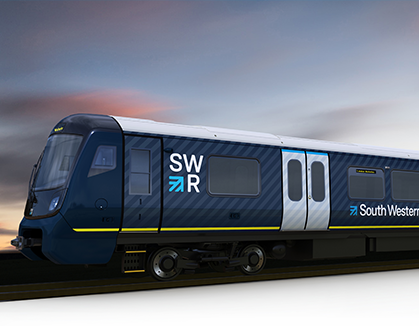
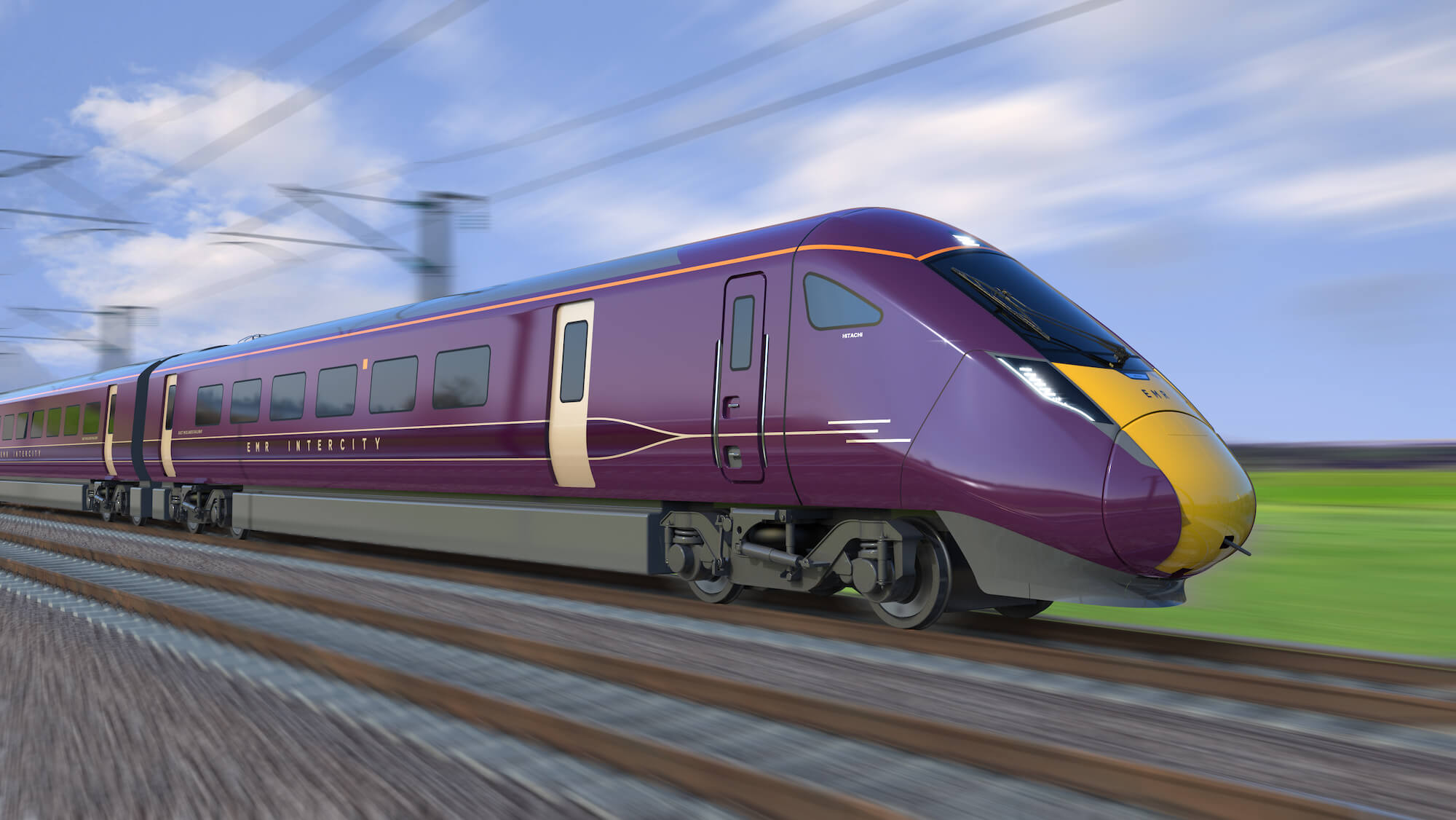
At Rock Rail, we believe passionately in the role the railway plays in shaping the UK’s future -economically, socially, and environmentally. To unlock its full potential, we must work collaboratively with GBR and industry partners to deliver smarter, greener investment. A key part of that story is modern rolling stock.
A cleaner, greener railway
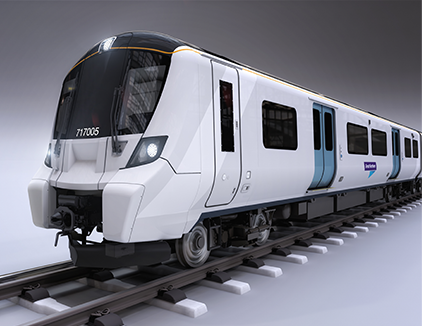
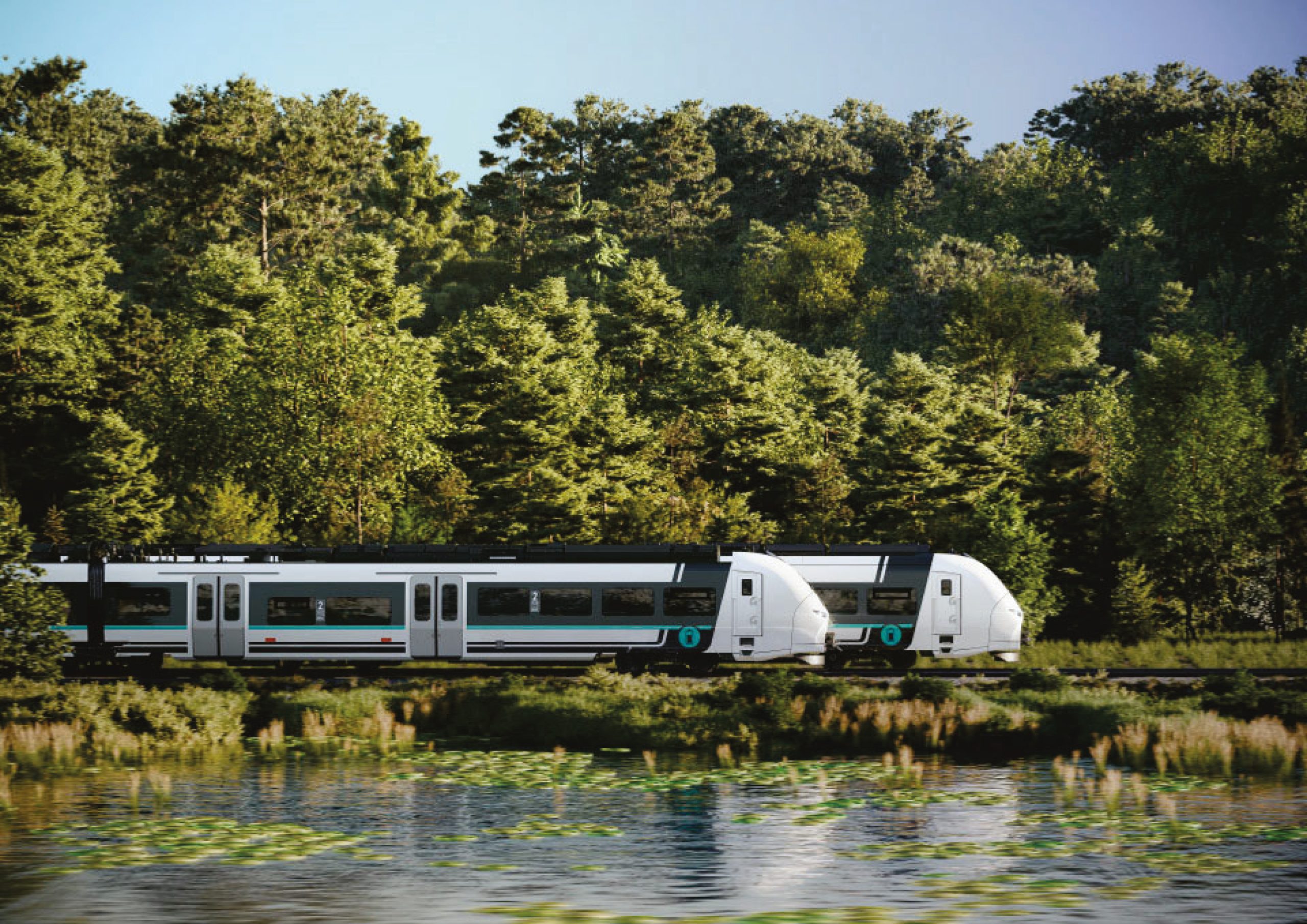
The UK continues to make progress towards removing all diesel-only trains from the network. The rise of bi-mode trains – which draw power from overhead lines where available and switch to self-power elsewhere – represents a practical and affordable step toward decarbonisation.
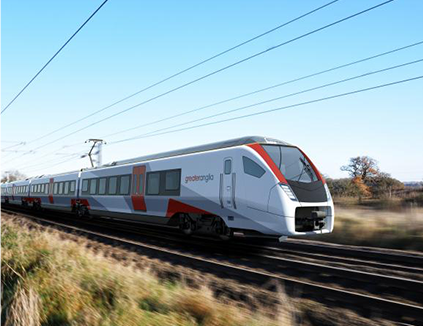
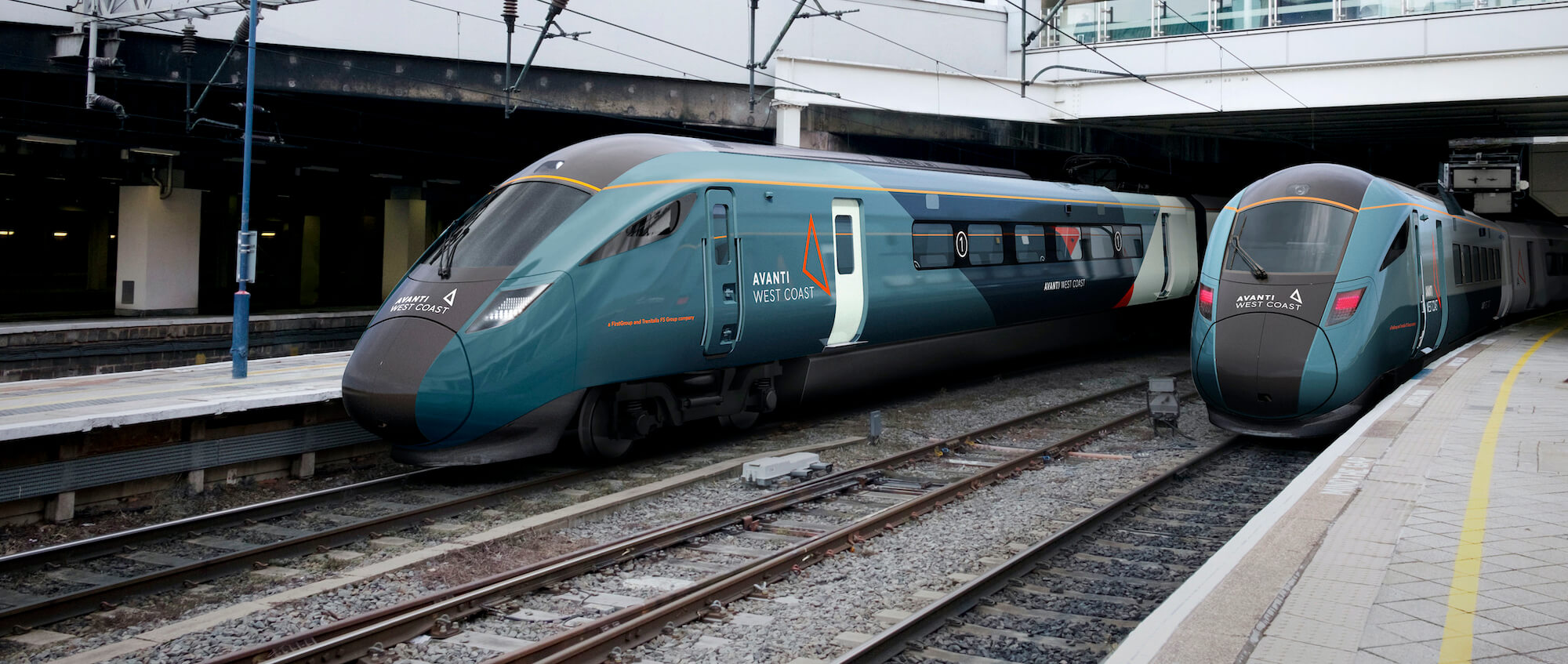
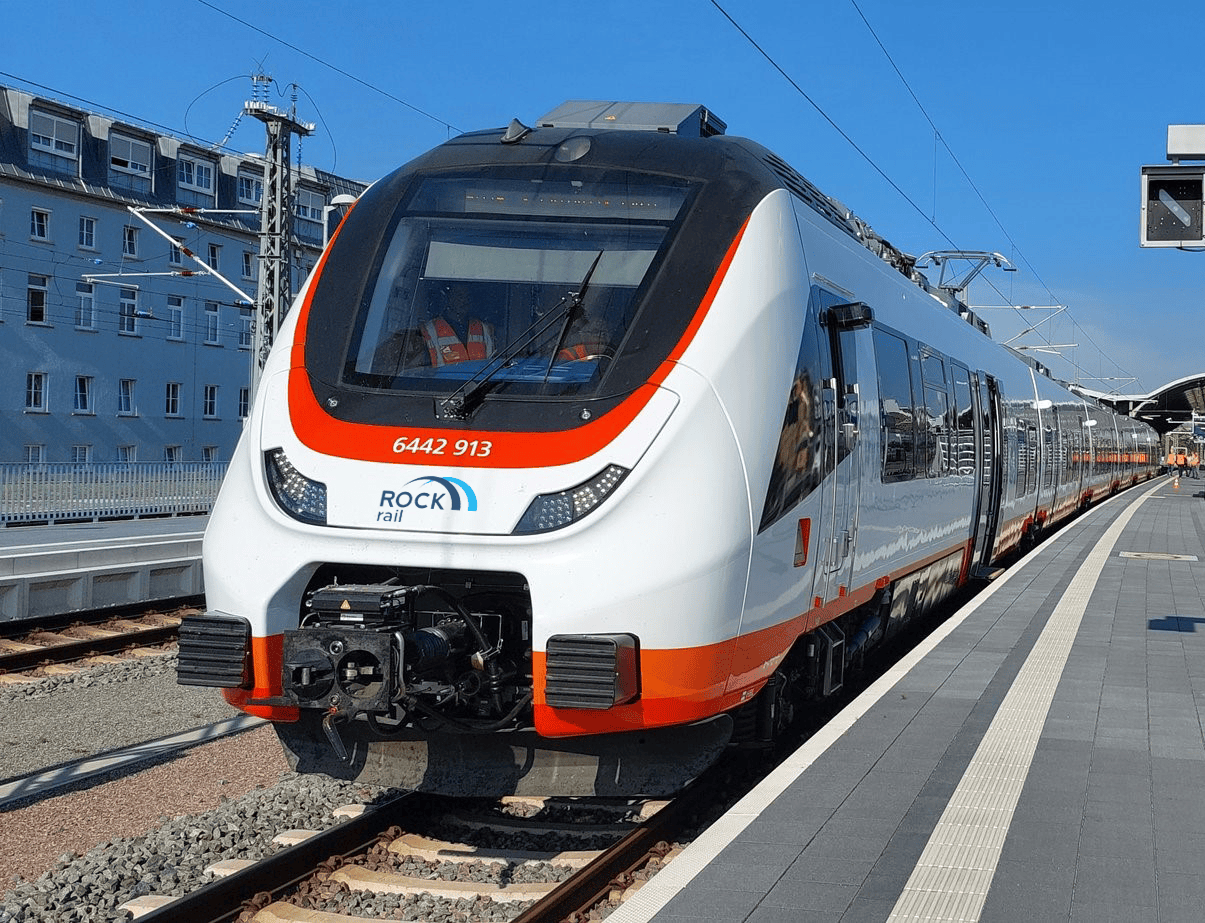
Rock Rail has already delivered this change in partnership with operators: the Class 755 bi-mode trains for Greater Anglia and the Class 805 for Avanti West Coast are reducing emissions and improving reliability.
These trains not only support the UK’s net-zero ambitions but also show that sustainability and efficiency can go hand in hand.
Business case for new trains
The environmental case is clear – but so is the financial one.
Our analysis, based on real-world operating data, shows that the cost of powering a train with electricity can be around half that of diesel. That saving alone is significant, especially when multiplied across a fleet.
Modern trains also deliver further efficiencies:
- Lower maintenance costs, particularly when moving from mixed fleets to a single, standardised train type.
- Reduced infrastructure wear, thanks to lighter trains that cause less damage to the track.
- Higher passenger satisfaction and ridership, driven by comfort, reliability, and modern design.
In several cases Rock Rail has modelled, these savings more than offset the higher lease costs of new trains. The result is a compelling business case – one that benefits operators, passengers, and taxpayers alike.
Driving wider UK growth
Investment in new rolling stock supports far more than the railway itself. It fuels a high-value, highly skilled manufacturing ecosystem across the country.
World-class train factories in Derby, Goole, Newport, and Newton Aycliffe sustain thousands of skilled jobs and create many more in the UK supply chain. A steady pipeline of new train orders ensures that this expertise – built over generations – continues to thrive.
The financial ecosystem matters too. Rock Rail works closely with UK institutional investors, including pension funds, that are actively seeking long-term, sustainable investment opportunities. Through our project development and asset management capabilities, we help channel this domestic capital into modern, low-risk infrastructure that generates stable returns for UK savers – while directly improving the transport network they use every day.
The future is bright
Following a hiatus in new train orders as passenger numbers recovered following the pandemic, there are positive signs with several nationalised train operators running procurements which are likely to result in new fleet procurements.
Rock Rail and our partners stand ready to fund and deliver these trains – supporting both GBR’s vision and the UK’s broader goals for growth, decarbonisation, and economic resilience.
As the railway marks its 200th anniversary, we have a rare opportunity to shape its next era. By investing smartly in new, efficient, and reliable trains today, we can build a network that serves passengers better, costs less to run, and underpins a cleaner, stronger economy for generations to come.
The next 200 years of Britain’s railway will be defined by how boldly we invest today.
ENDS