



Leading infrastructure partner sets up new venture

Mark Swindell, a leading player in DLA Piper’s global infrastructure practice, has established his new business, Rock Infrastructure Limited, which will officially launch on 3rd May 2011. Swindell described Rock as “filling the vacuum between governments, private sector suppliers and institutional money for structuring deals in this changing, post-PFI market”.

He added: “Rock will be doing deals in different sectors and countries. These will require an ability to innovate, drive and lead new structured solutions from first principles. They will align the interests of parties with different stakeholders, responsibilities and risk expectations.”

Rock will get involved on the largest PPP deals, both in the UK and internationally. He is currently in the process of hiring others partners for the business with investment bank and infrastructure equity backgrounds.
Rock Infrastructure, which is an independent developer and a co-sponsor, will invest equity in projects using development capital as well as, potentially, investment from institutional lenders, including pension funds.
Swindell, who spent 18 years at DLA, established the firm’s Commercial & Projects group in 1998. Seven years later he was appointed as the firm’s joint global head of Commercial, following the merger of the firm’s Commercial and Projects practices. In this position he made a significant contribution to the establishment of DLA’s PPP businesses in North America, Africa, the Middle East, Central Europe and Asia. The department also closed over 200 PFI projects during his time in charge.

Swindell established and led DLA’s PPP roundtable and produced the European PPP Report, the last edition of which was published in December jointly with the EIB. He is known for advising on the first defence, social infrastructure and waste PFI projects in the UK. In addition, he advised on one of the first economic PPP infrastructure projects in California for Balfour Beatty, Mitsui and Citibank.

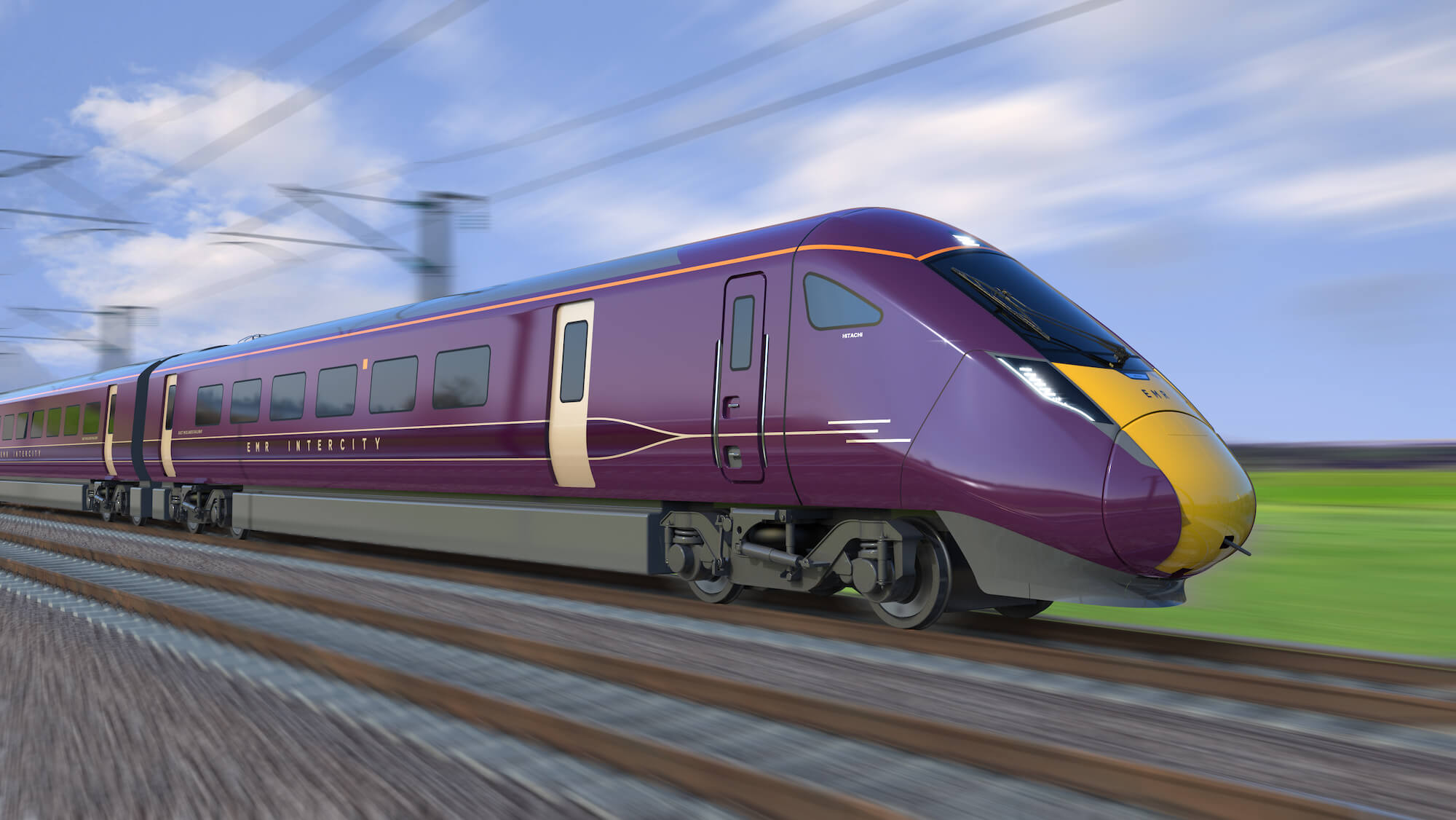
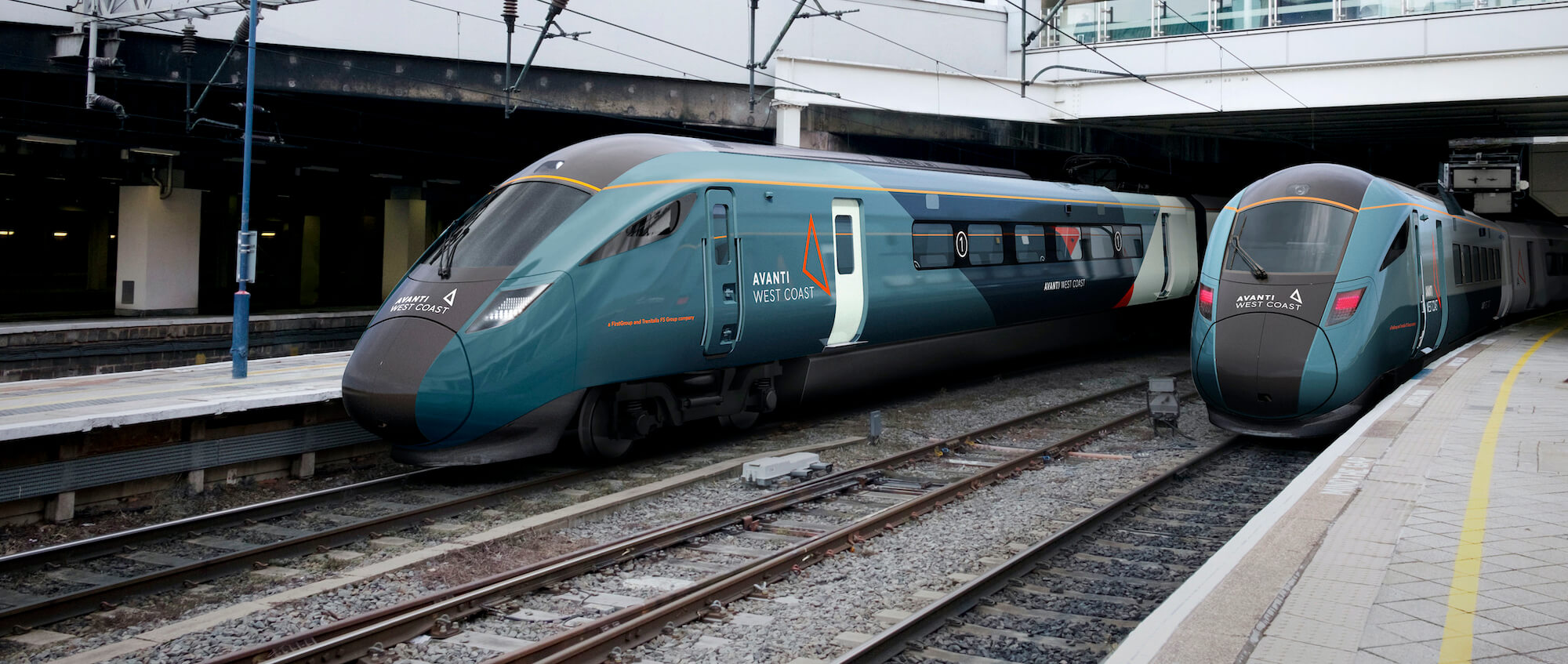
Key deals he advised on included British Rail privatisation, Birmingham Highways, Edinburgh Tram, Mersey Gateway Bridge, London 2012 Olympics and the Agility Trains consortium on the GBP7bn Intercity Express Programme.
Prior to DLA, Swindell spent 10 years working at Clifford Chance.
Recent articles

Rock Rail and Infracapital Partners Back New Battery-Electric Train...

Deal marks a long term investment in the country’s zero emissions transport infrastructure. Rock Rail, a leading developer...

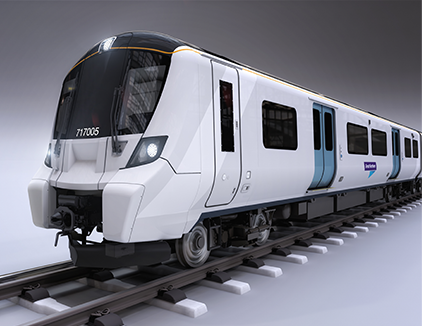
Rock Rail purchases a brand-new fleet of Talent 3...

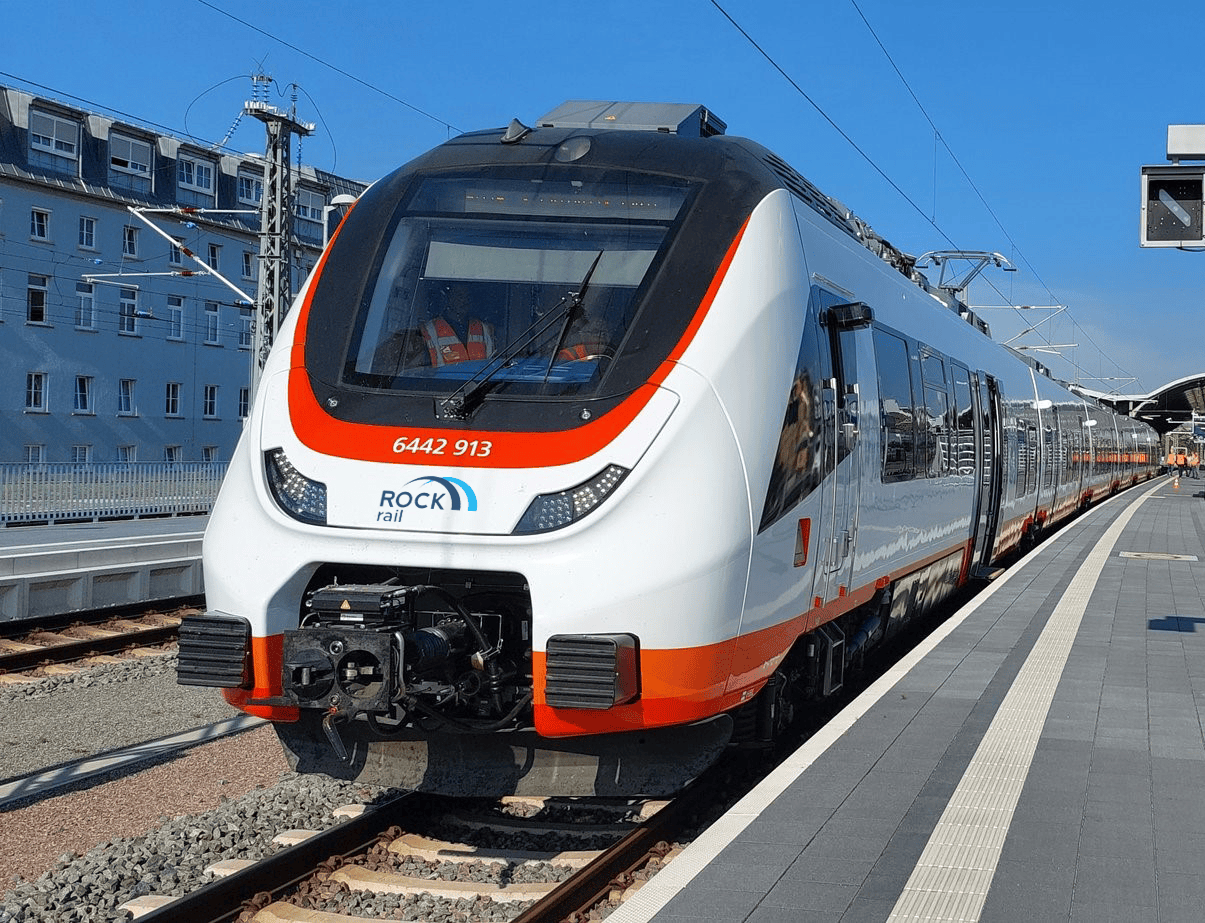
Rock Rail and abrdn Core Infrastructure have announced an investment in Alstom-built 31 x 6-car Talent 3...

Rock Rail ranked number one for Global ESG performance...

GRESB has named Rock Rail as the top ranked ESG (Environment, Social and Governance) Sector Leader in...

Driving Net Zero: How Rock Road 
Is Funding the UK’s Bus Transition

Accelerating the shift to clean, affordable, zero-emission transport

Year
2025
Category
Rock Road
Share

The Challenge

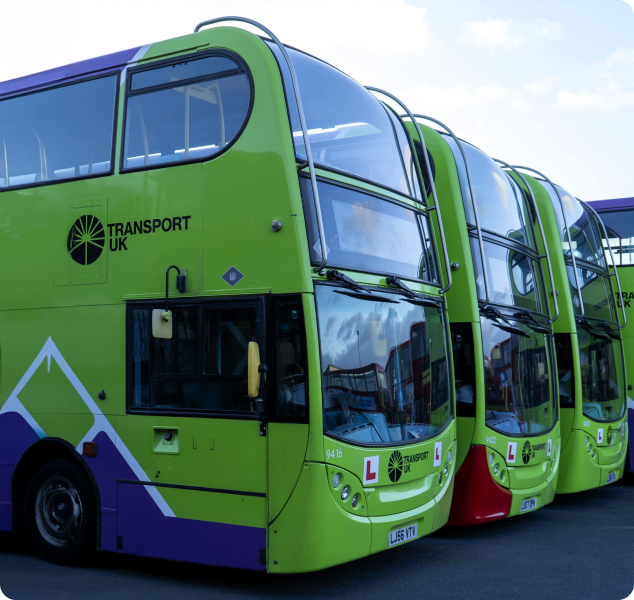
The UK bus network is at the heart of everyday travel – but over 30,000 diesel buses still need replacing to achieve a fully zero-emission fleet.

While around 5,000 battery-electric buses are already on the road, the high upfront cost of electric vehicles and depot electrification continues to slow the transition. Traditional funding routes — such as government grants or short-term bank finance – have helped start the journey but cannot support decarbonisation at the scale required.

A new, sustainable funding model was needed: one that could attract long-term capital, spread costs fairly, and give operators and authorities confidence in the future.

The Solution

In 2021, Rock launched Rock Road to deliver exactly that –  applying its proven infrastructure financing approach from the rail sector to the UK’s clean bus revolution.

Working with Aviva, the National Wealth Fund, and HSBC, Rock created a dedicated investment platform that channels infrastructure-style finance from pension funds and institutional investors directly into zero-emission bus projects.

This model provides:

Impact

The platform has already raised £100 million, with capacity to scale to £1 billion per year over the next decade – providing a consistent source of affordable capital for local authorities and operators.

Rock’s model ensures that the total cost of ownership (TCO) of electric buses can now be lower than diesel equivalents, thanks to both cheaper long-term finance and reduced operating costs.

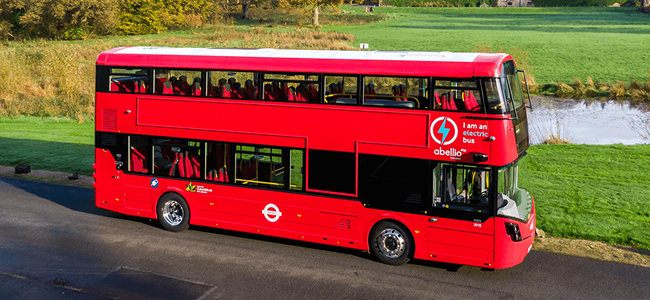
In London, Rock has financed 120 zero-emission buses under 7-year leases aligned with Transport for London’s contract lengths. This structure gives operators flexibility and certainty:

The Future

Rock Road’s ambition is to support the rollout of zero-emission fleets across the UK – helping local authorities and operators meet climate goals without overextending public budgets.

By leveraging limited government funding to attract large-scale private capital – for example, £10 million of public investment unlocking over £250 million in total funding – Rock’s model accelerates decarbonisation while keeping costs low for the public sector.

Our ambition is to make electric buses the default choice - not because of subsidy, but because they are the best economic and environmental option.
Louis Swindell
Commercial Director, Rock Road