

Overview
The UK’s transition to zero-emission buses has long been constrained by high upfront costs, limited public funding, and a lack of sustainable long-term financing options that offer a valued risk transfer. To address this, Rock created Rock Road – a first-of-its-kind investment platform that brings a proven infrastructure financing model from the rail sector into the UK bus market.
By mobilising long-term private capital from institutional investors and offering operators flexible, low-cost leases, Rock Road removes the financial barriers that have slowed adoption. With £100 million already raised and the ability to scale to £1 billion per year, the platform is enabling local authorities and operators to electrify fleets at pace, reduce total cost of ownership, and meet climate targets sustainably.
The Challenge
The UK bus network is at the heart of everyday travel – but over 30,000 diesel buses still need replacing to achieve a fully zero-emission fleet.
While around 5,000 battery-electric buses are already on the UK roads, the high upfront costs and increased ownership risks of electric vehicles are deterring operators from decarbonising fleet without support of public funding. Traditional finance models— such as operators’ internal capitalor short-term bank finance – have helped start the journey but cannot support decarbonisation at the scale required.
A new, sustainable funding model was needed: one that could attract long-term capital, spread costs fairly, and give operators and authorities confidence in the future.
The Solution
In 2021, Rock launched Rock Road to deliver exactly that – applying its proven infrastructure finance approach from the rail sector to the UK’s clean bus revolution.
Working with Aviva, the National Wealth Fund, and HSBC, Rock created a dedicated investment platform that channels infrastructure-style finance from pension funds and institutional investors directly into zero-emission bus projects.
This model provides:
- Access to billions in long-term private capital for fleets and depot electrification.
- Low-cost, sustainable finance tailored to public-sector needs.
- Comprehensive risk transfer, including residual value and battery performance, supported by Rock’s in-house team of engineers and asset managers.
Impact
The platform has already raised £100 million, with capacity to scale to £1 billion per year over the next decade – providing a consistent source of affordable capital for local authorities and operators.
Rock’s model ensures that the total cost of ownership (TCO) of electric buses can now be lower than diesel equivalents, thanks to both cheaper long-term finance and reduced operating costs.
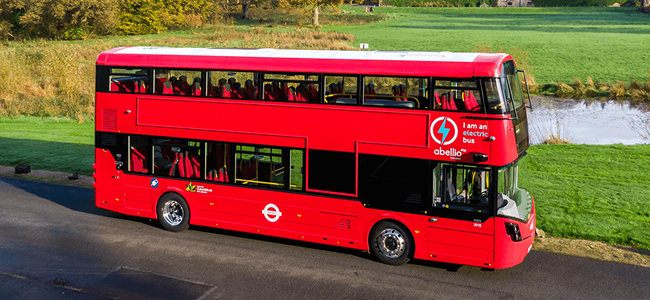
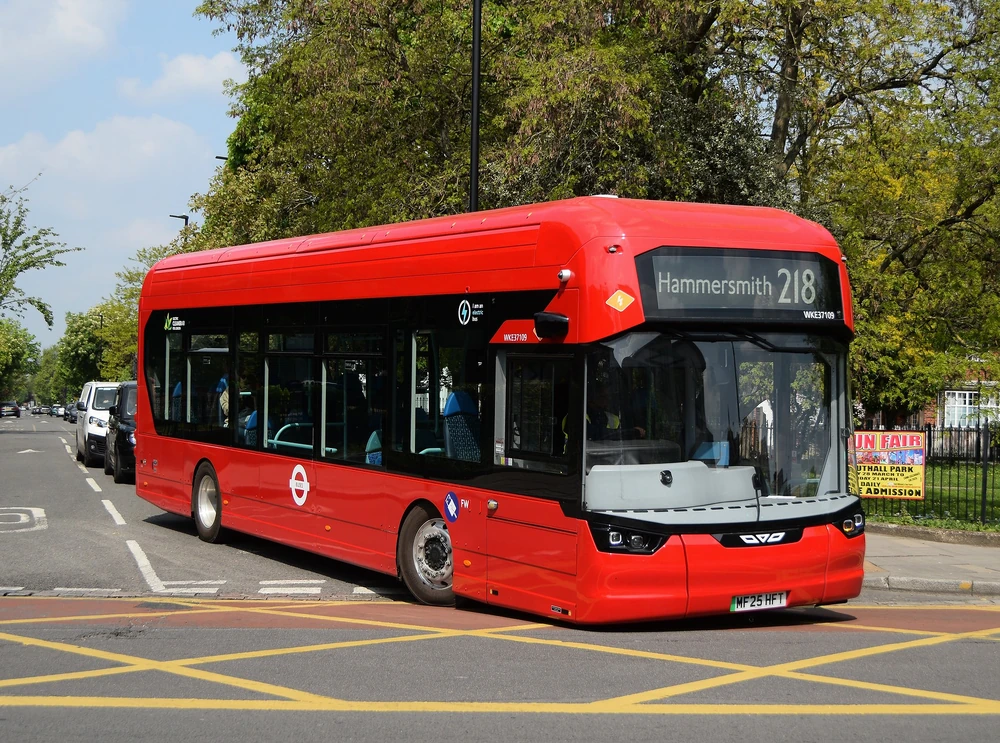
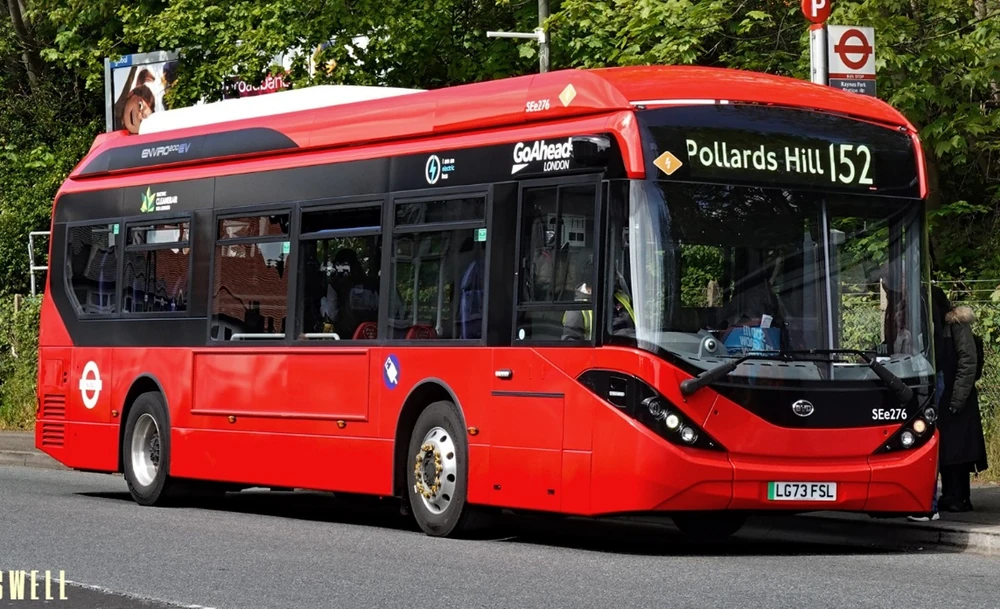
In London, Rock has financed 120 zero-emission buses under 7-year leases aligned with Transport for London’s contract lengths. This structure gives operators flexibility and certainty:
- Buses can be returned, renewed, or upgraded at the end of term.
- Lease rates are predictable and capped.
- Ownership and residual risks sit with Rock, not the operator.
The Future
Rock Road’s ambition is to support the rollout of zero-emission fleets across the UK – helping local authorities and operators meet climate goals without overextending public budgets.
By leveraging limited government funding to attract large-scale private capital – for example, £10 million of public investment unlocking over £250 million in total funding – Rock’s model accelerates decarbonisation while keeping costs low for the public sector.