Rock Rail UK helping transform passenger rail travel
Since 2016 Rock Rail has secured investment of £3 billion across 5 new rolling stock fleets for operation on key parts of the UK rail network. The state-of-the-art fleets are all due to be in service by 2022, helping transform passenger journeys and revitalising the post privatisation rolling stock market in the UK.
Transforming tomorrow’s infrastructure today
Our global collaborations
Partnering with global manufacturers and train operators
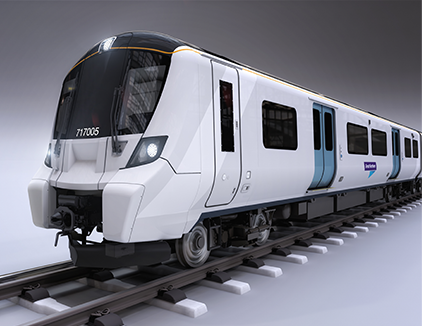
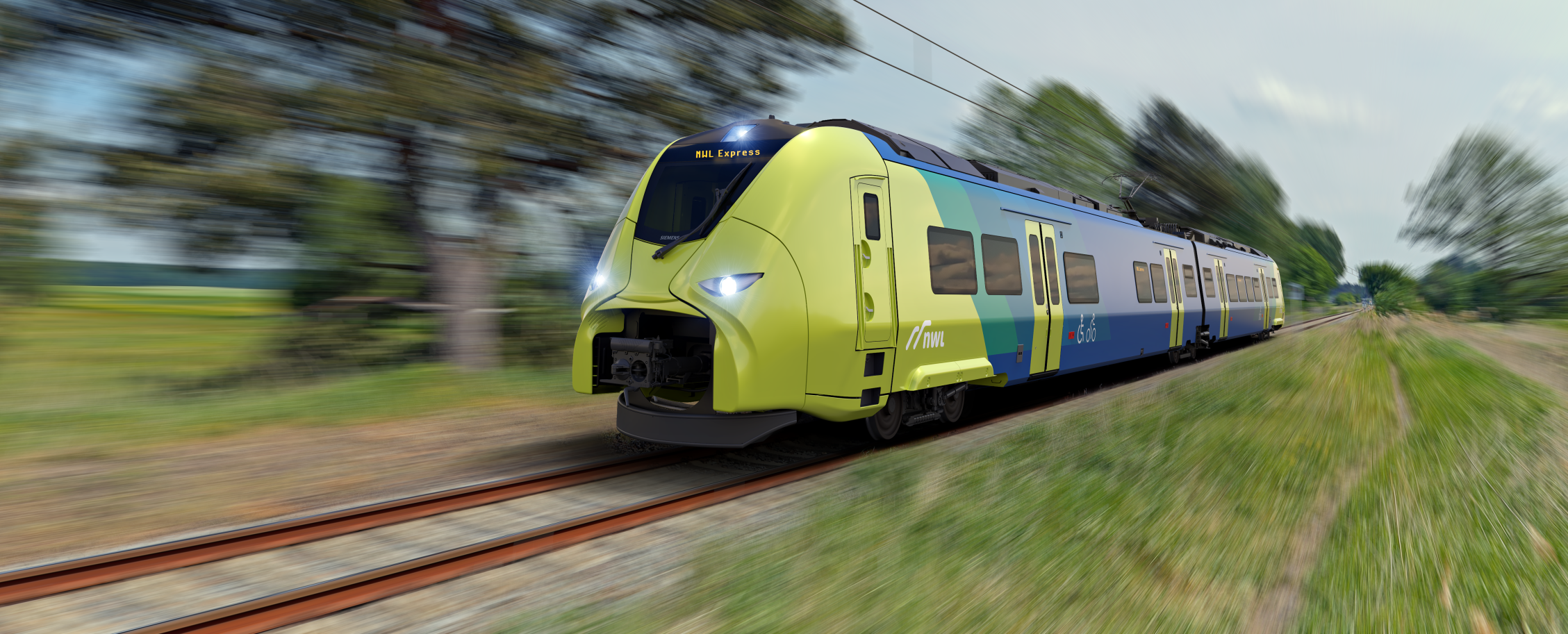
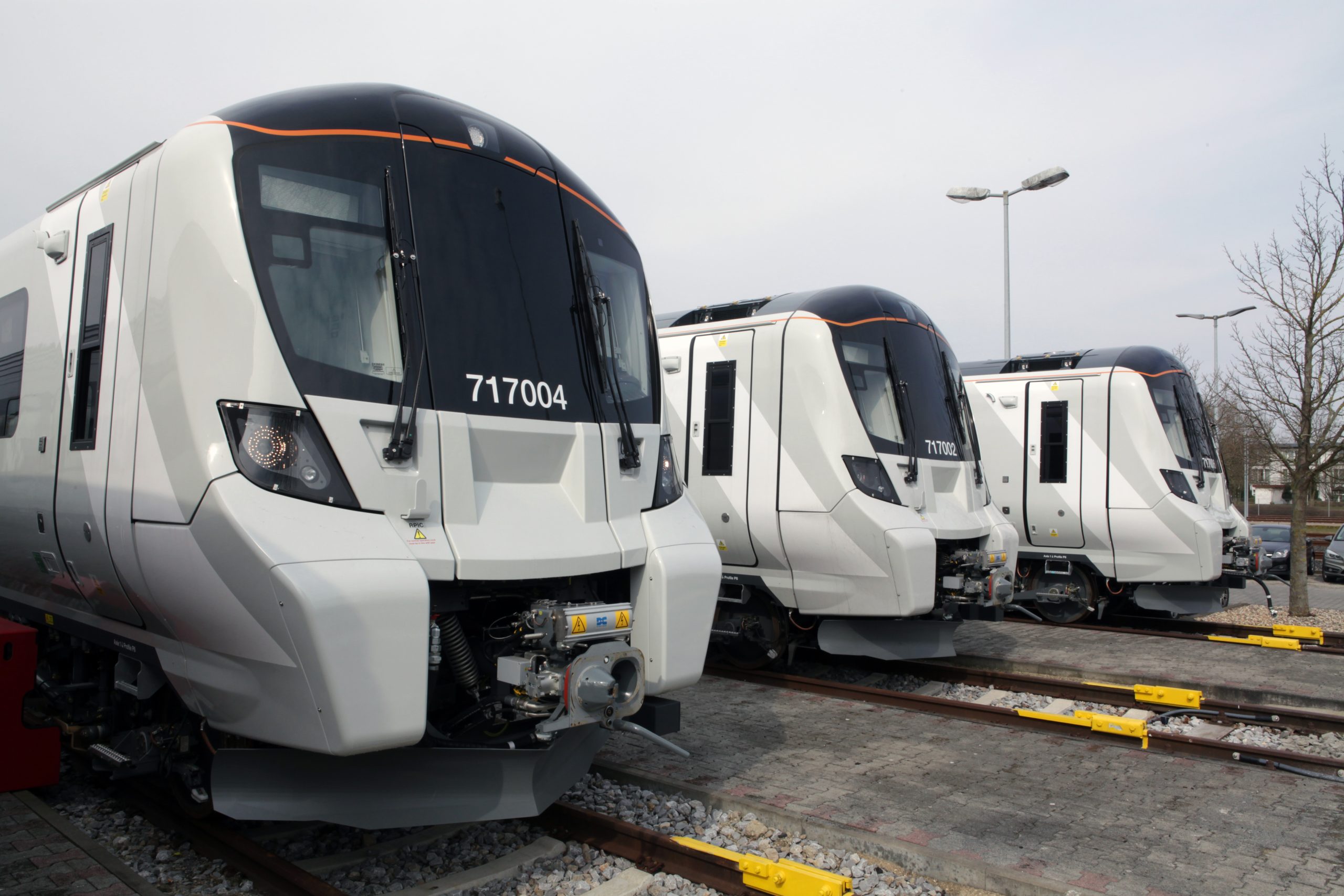
- Siemens Desiro EMUs in service on Govia Thameslink Railway’s Great Northern routes
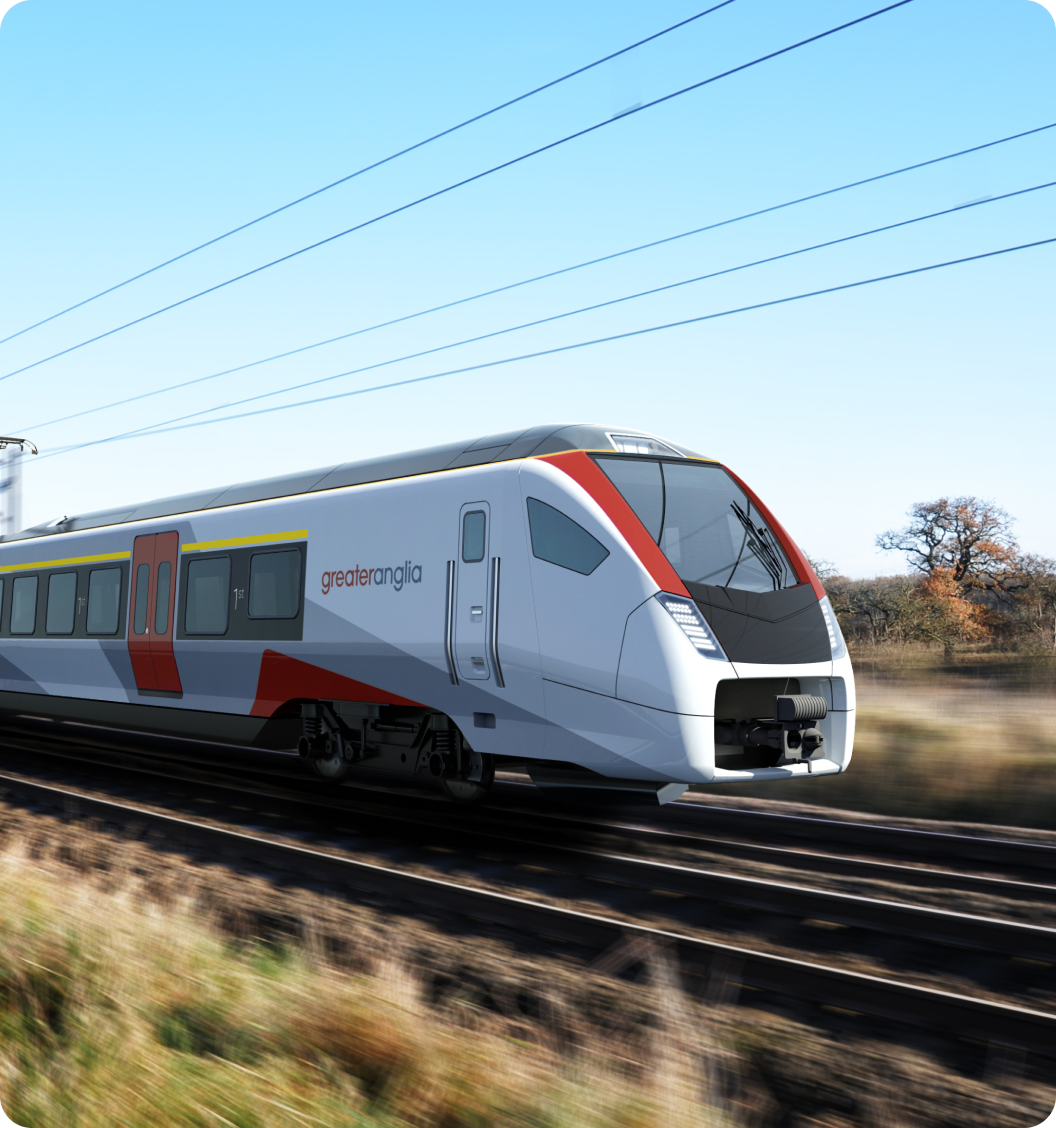
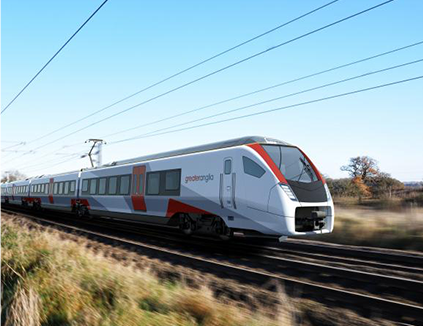
- Stadler Flirt EMUs and BMUs entering service on Abellio’s Greater Anglia franchise
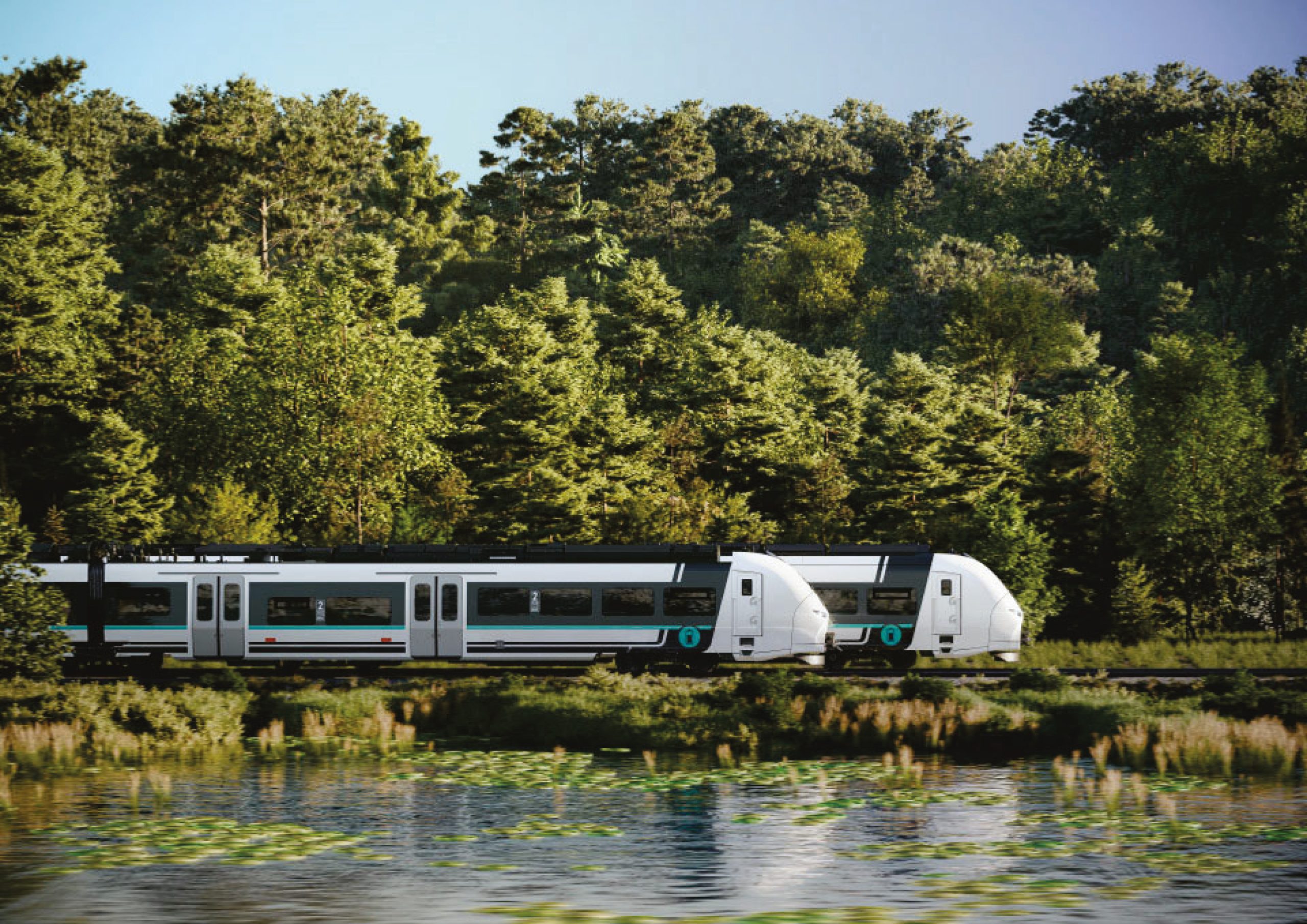
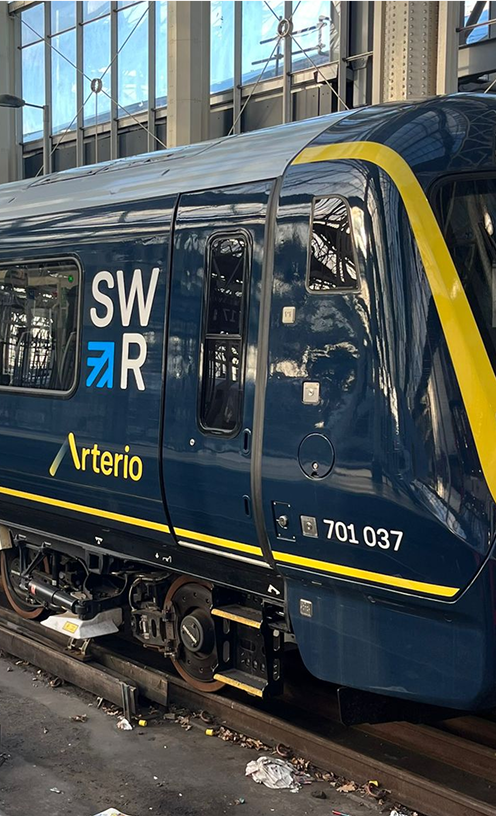
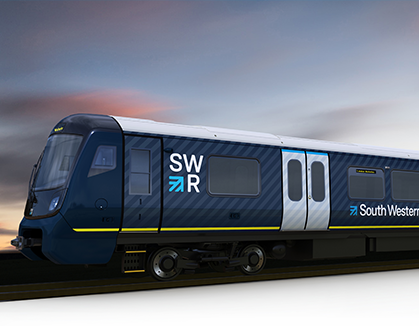
- Bombardier (now Alstom) Aventra EMUs entering service on FirstGroup and MTR’s South Western franchise
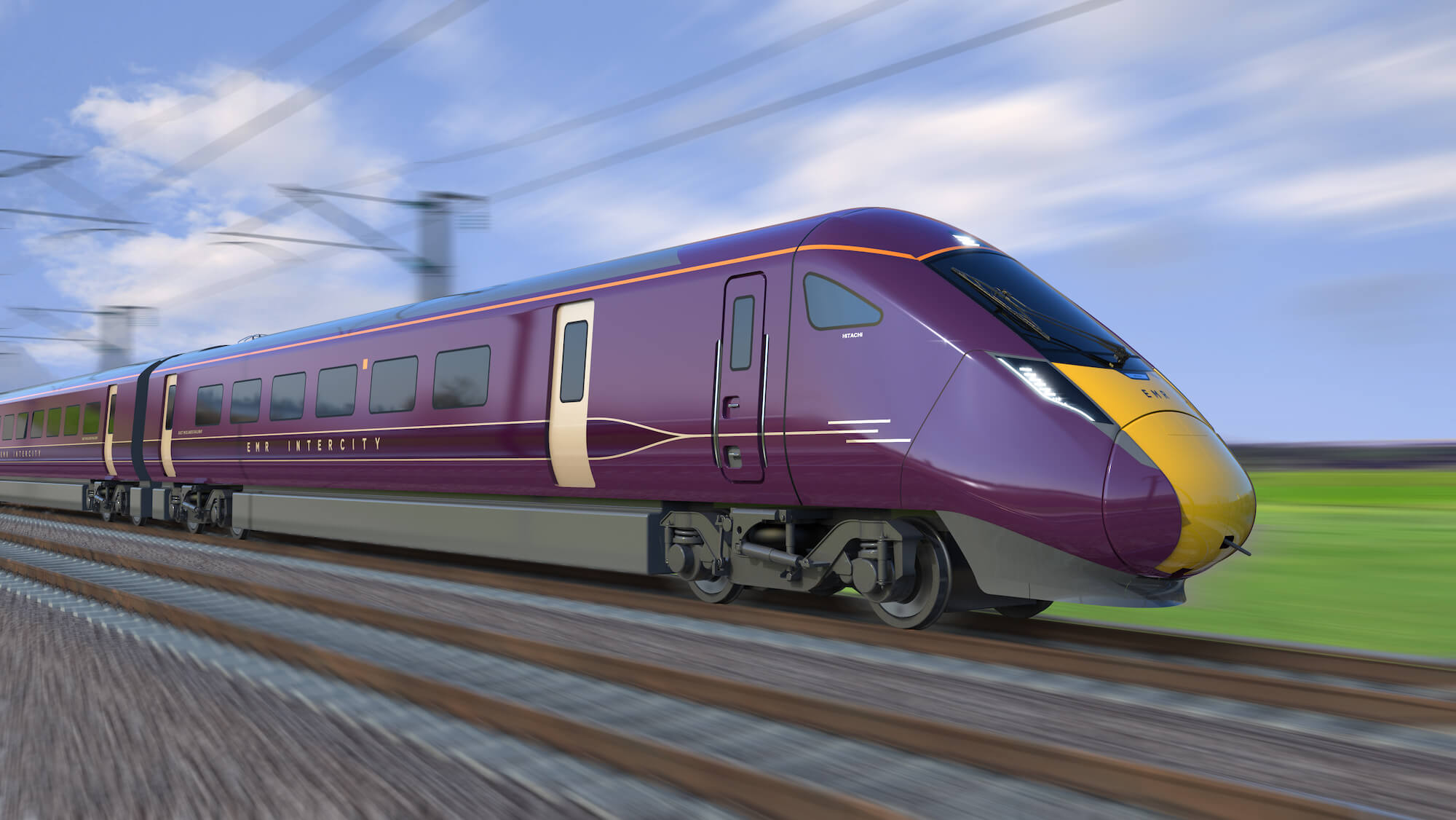
- Hitachi Intercity BMUs for service on Abellio’s East Midlands franchise
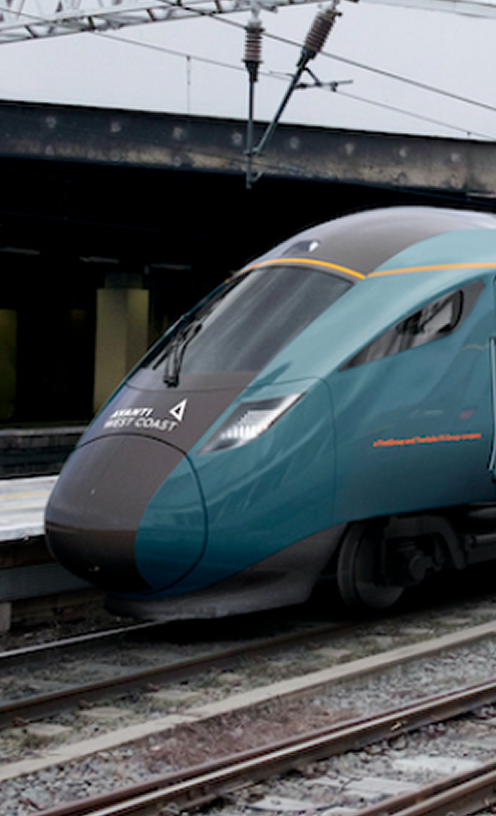
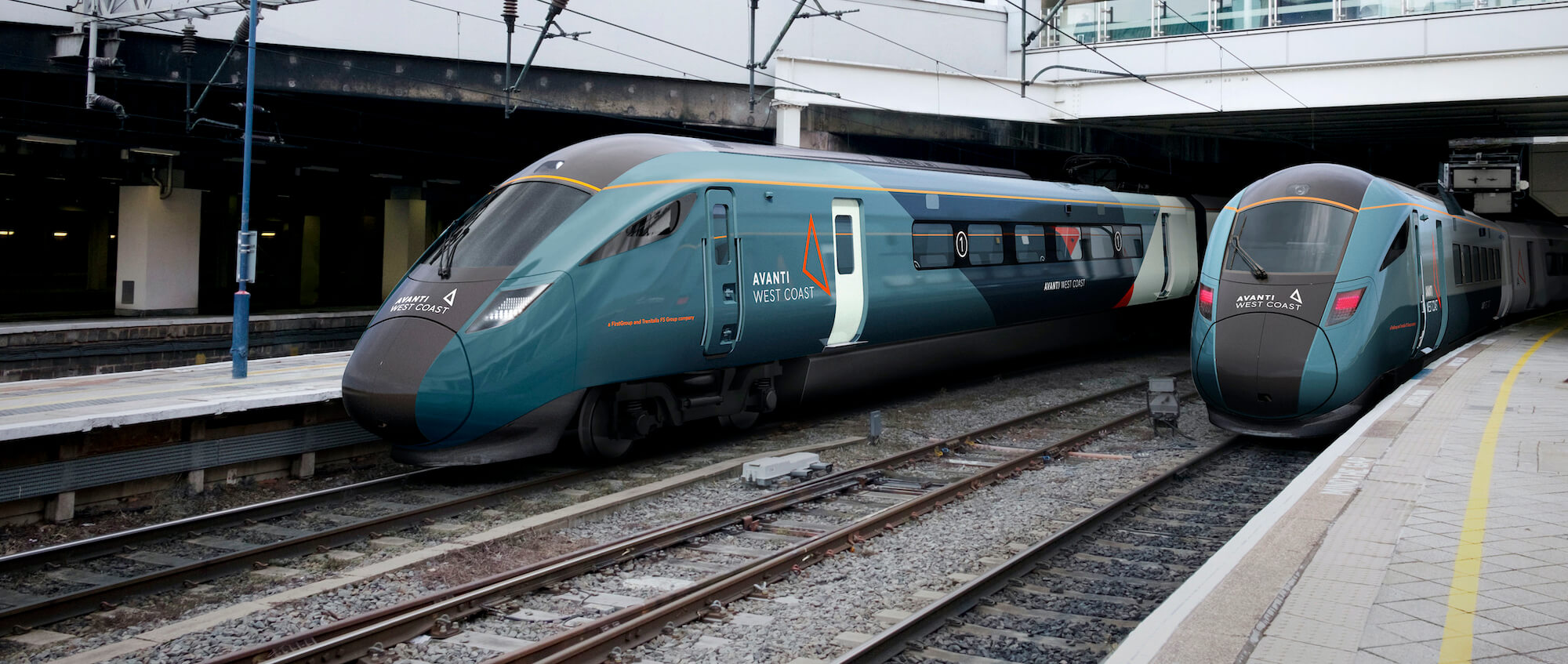
- Hitachi Class 805 BMUs in service on Avanti West Coast's West Coast Partnership franchise
Sustainability commitment
Supporting greener rail travel and delivering long term, enhanced value
Rock Rail’s modern fleets are contributing to a more sustainable railway, helping reduce CO2 emissions and delivering significant energy efficiencies versus the many diesel and old trains they are set to replace.
Notably, two of our assets – Greater Anglia and Moorgate – have been awarded joint first place out of 650 vehicles in the prestigious GRESB awards, reflecting our strong commitment to sustainable rail travel.
See below our 2026 ESG objectives to continue our responsible investment:
Blogs
News & Insight
We share updates on zero-emission transport, fleet finance innovation, and partnerships driving change across the UK and Europe.
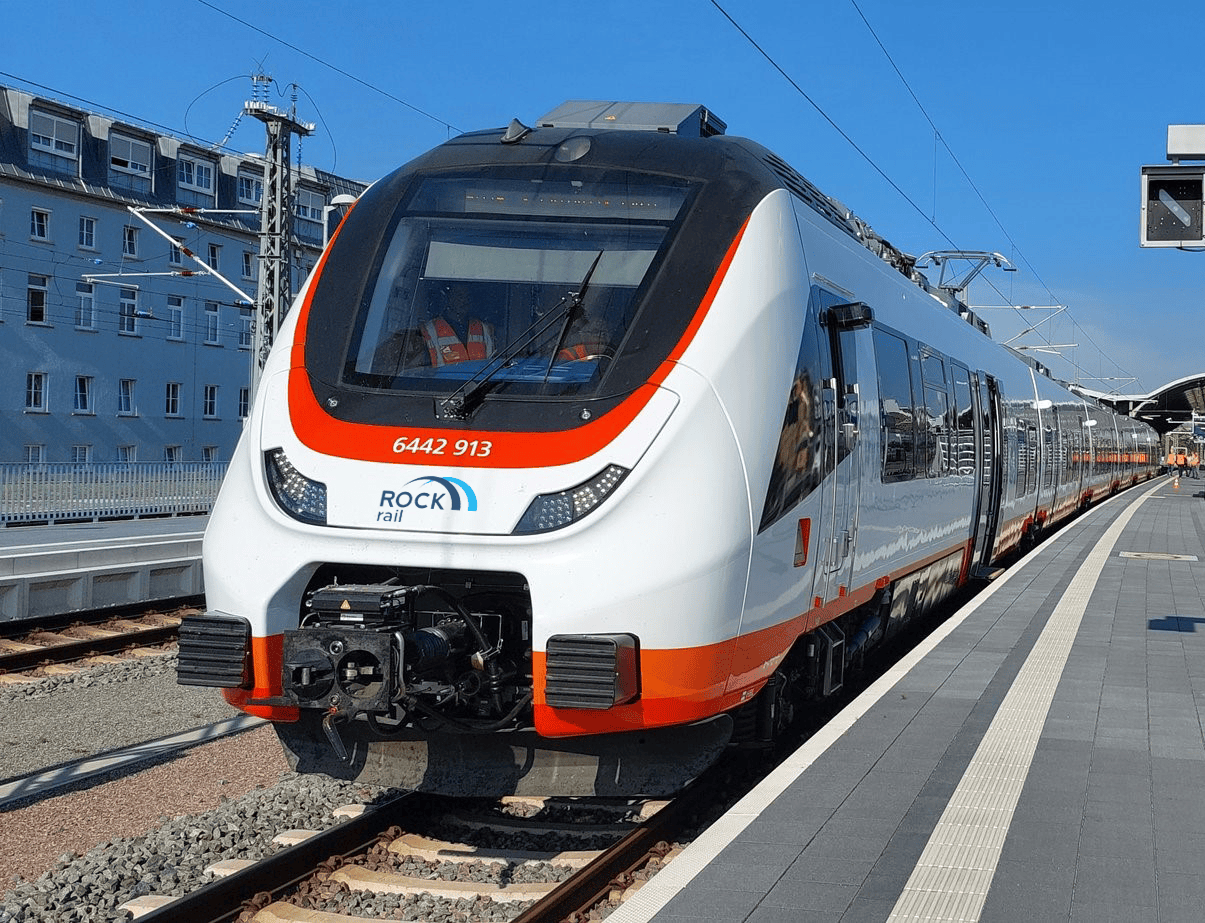
Rock Rail purchases a brand-new fleet of Talent 3 Plus electric...
Rock Group is a proud official partner of ‘The Commonwealth at...
FAQ
Frequently asked questions
Clear answers to common questions about our zero-emission bus finance model.
What does Rock Rail do?
Rock Rail provides innovative financing solutions for rolling stock and transport infrastructure.
We work with our partners to deliver cleaner, more efficient, and more sustainable transport.
In practice, this means:
Partnering with operators, manufacturers, and investors to fund modern electric and battery-electric trains (EMUs and BEMUs).
Enabling operators to access new, high-quality fleets without large upfront capital costs.
Supporting the transition to cleaner, more reliable, and sustainable transport networks across the UK and Europe.
Helping deliver the next generation of rolling stock and infrastructure through long-term, responsible investment.
How is Rock Rail different from other rolling stock providers?
Rock Rail’s approach is built on transparency, collaboration, and long-term value.
We believe strong partnerships drive better outcomes for everyone involved.
Our approach in action:
Building open, collaborative partnerships between operators, investors, and manufacturers.
Ensuring all parties are aligned on performance, quality, and sustainability goals.
Designing flexible, tailored financing structures for each project.
Delivering innovative, efficient solutions that create real benefits for passengers and the environment.
Who owns the trains leased by Rock Rail?
Rock Rail finances and owns the trains in partnership with our long-term investors and institutional funders.
In practice, this means:
Rock Rail manages the investment on behalf of our funding partners.
We work closely with operators throughout the life of each fleet.
Our focus is on maintaining high performance, reliability, and service quality for passengers.
Where are Rock Rail UK’s fleets currently operating?
Our UK fleets are currently operating across the West Coast, South Western, East Midlands, Greater Anglia and Moorgate networks.
Which manufacturers has Rock Rail UK partnered with?
We have partnered with Siemens, Stadler, Alstom and Hitachi.
Does Rock Rail invest in rail infrastructure outside the UK?
Yes!
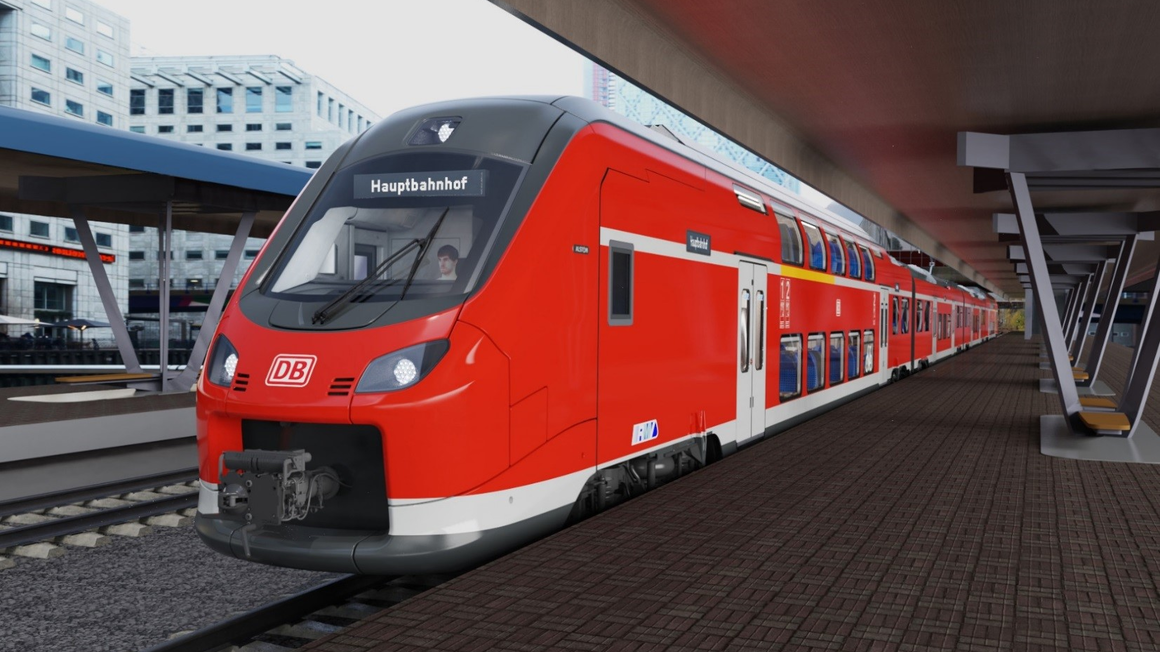
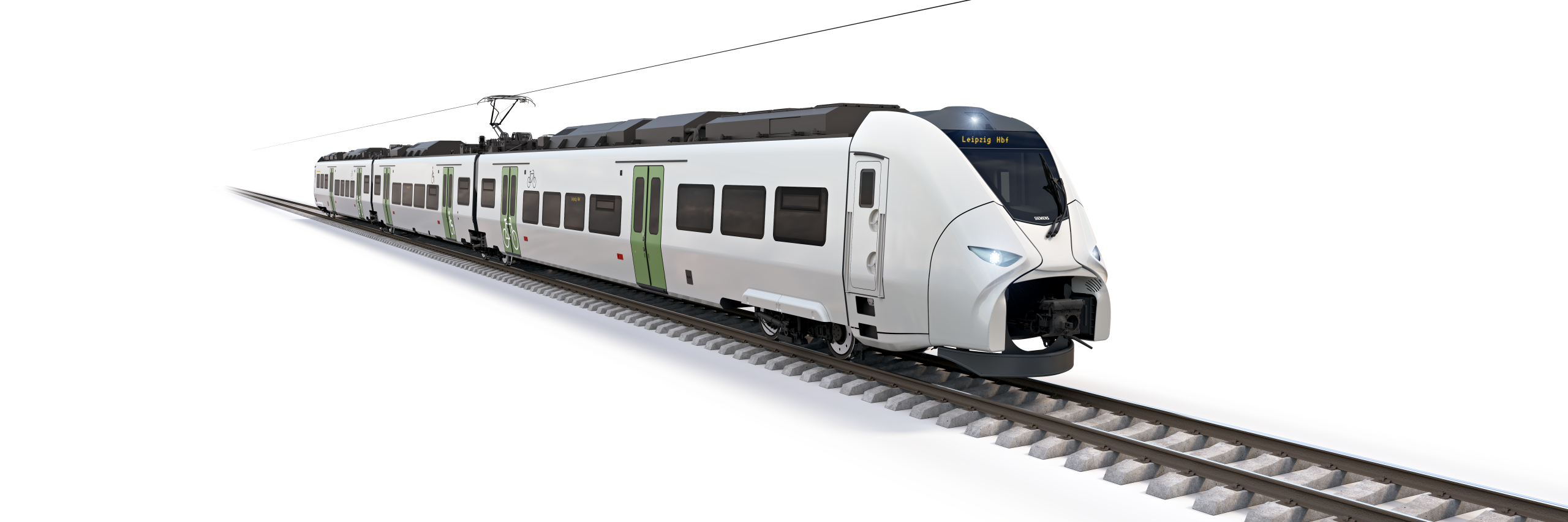
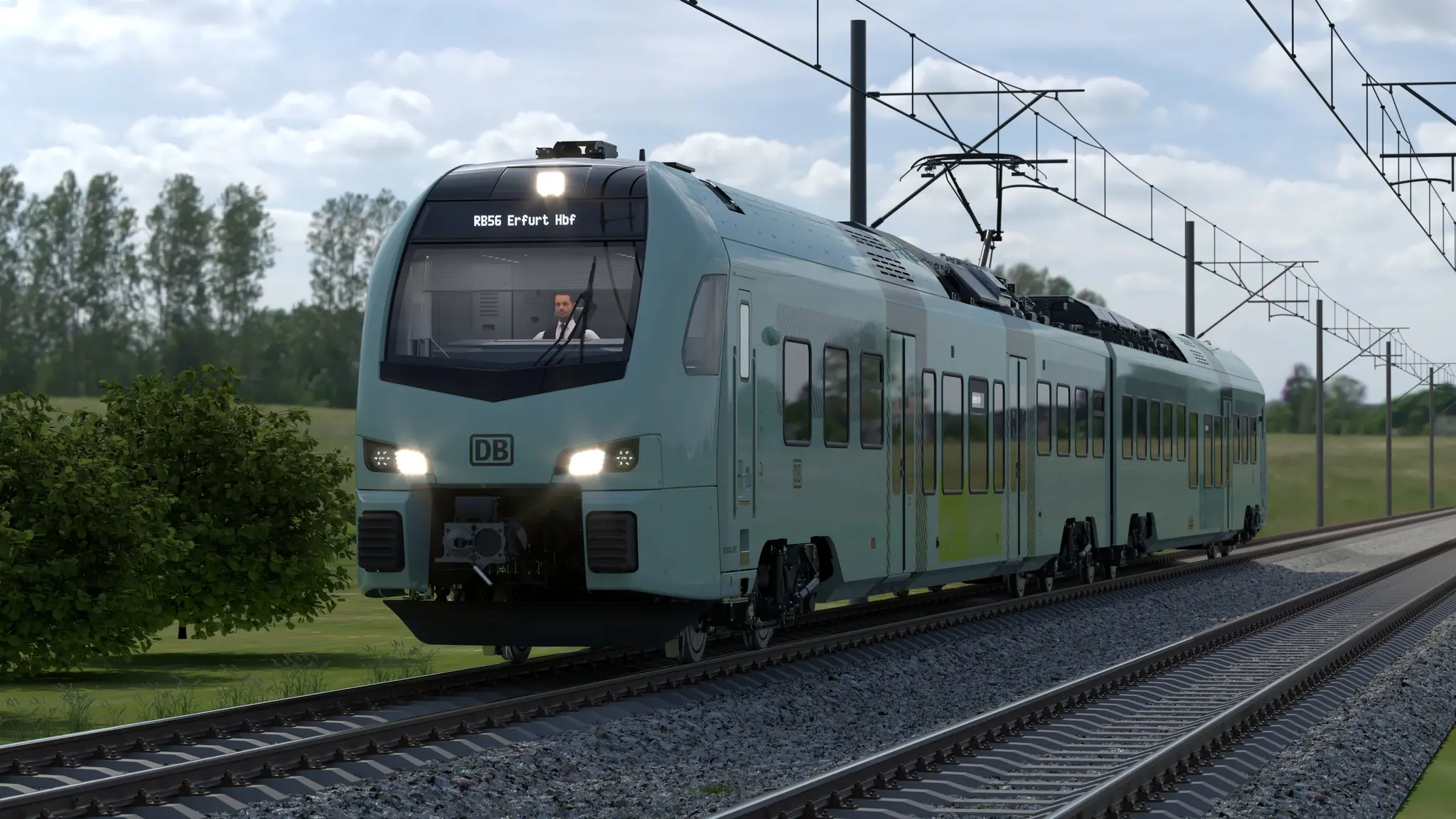
Rock Rail has invested in rolling stock infrastructure in Germany – for example the Main-Weser regional network and the Leipzig Central German S-Bahn. These projects involve financing trains, leasing them to local operators, and partnering with institutional investors.