

Invested
Backed by long-term UK pension capital, we are proud to have partnered with Aberdeen and GLIL Infrastructure to deliver modern, sustainable rolling stock that puts passenger experience and long-term value at the heart of public transport.
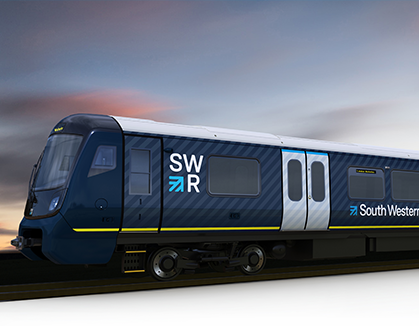
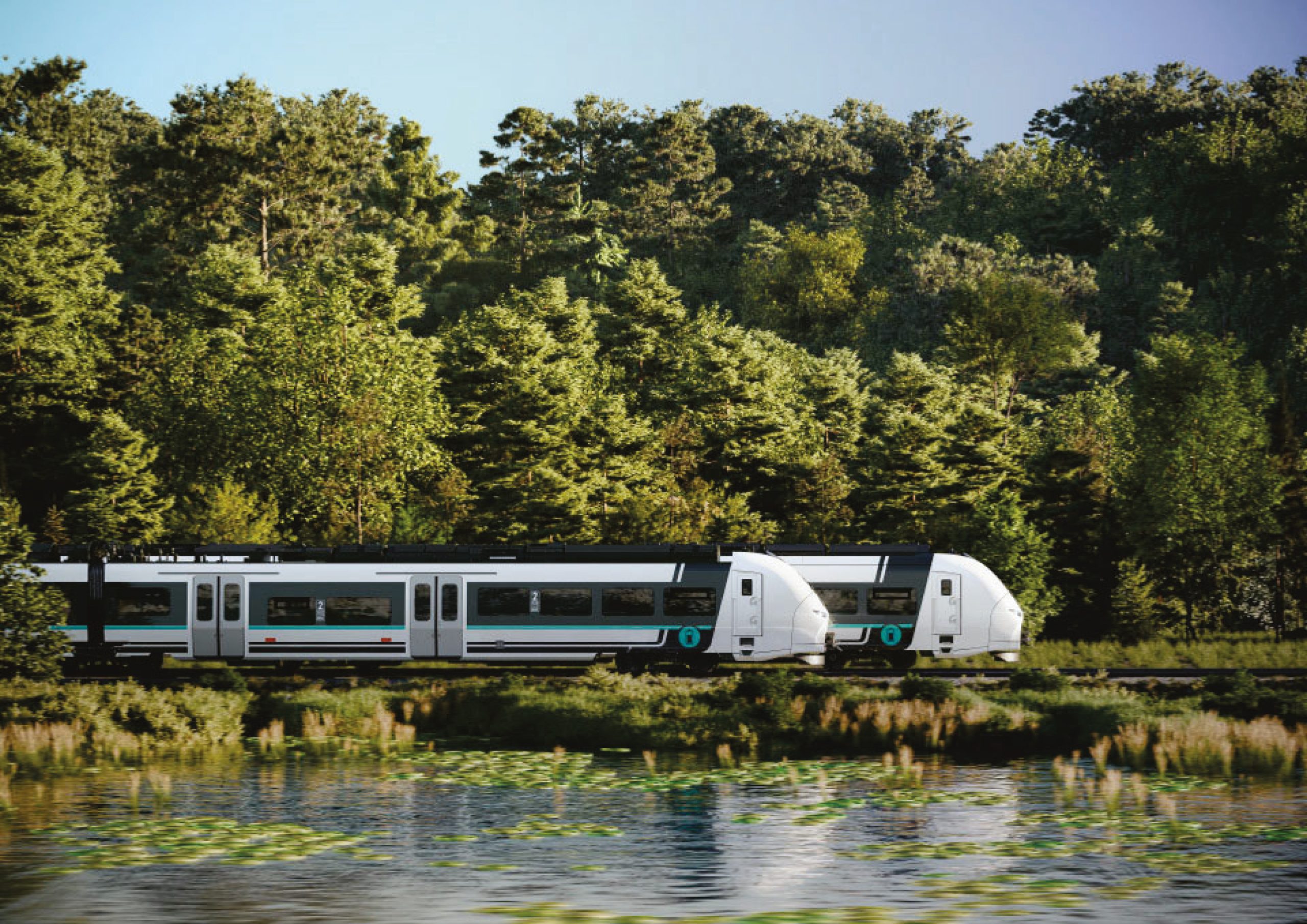
The full Arterio fleet will comprise of sixty 10-car and thirty 5-car Class 701 EMU units, designed for high density suburban commuter services.
Service
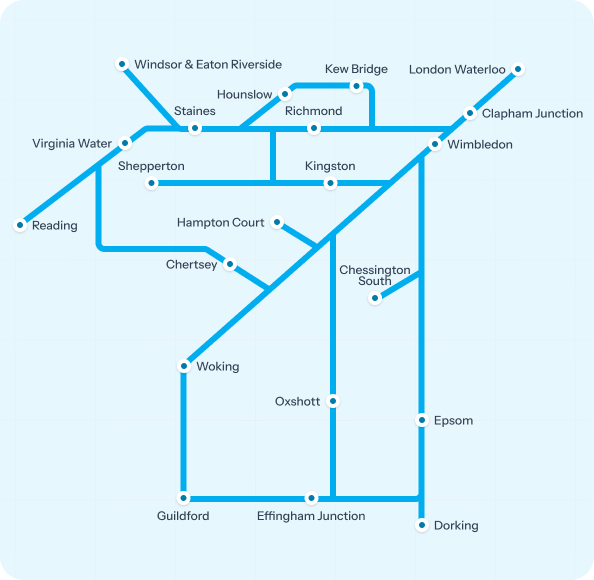
South Western inner suburban commuter.
20 Arterios are regularly operating between 249 services every weekday.
Year agreed: 2017
Year entered into service: 2024-ongoing
We are rolling out more Arterios over the coming months.
Railway line
Transformative journeys across the South Western service
The Aventra platform, first developed for London’s Elizabeth Line Class 345 trains, has become a proven success across the UK rail network – including fleets for Greater Anglia, London Overground, C2C and London Midland. The South Western fleet continues this legacy, offering exceptional performance, passenger comfort and sustainability.
Modern Slavery Statement Rock Rail SW RRH-PST-003c rev 3.0
Benefits
Benefits that move the nation forward
From enhanced passenger comfort to greener technology and stronger regional links – the South Western fleet delivers long-term value for communities, operators, and the environment.
Efficient Performance
Faster acceleration and improved reliability across one of the UK’s busiest commuter networks.
Comfort & Connectivity
Spacious interiors, modern features and a smoother, quieter ride for daily passengers.
Backed by Robust Maintenance and Technical Support
Long-term support from the manufacturer and maintenance partners to protect the integrity of the asset
Increases passenger capacity
The Class 701 fleet provides more seats and better standing space, helping meet growing demand on busy commuter routes
Sustainable Design
Energy-efficient Aventra Platform reduces emissions and enhances environmental performance.
Delivers Long-Term Value
Built with contemporary systems, efficient traction technology and updated accessibility standards, the fleet is designed to serve passengers for decades, supporting dependable long-term lease revenues.
Demonstrates the strength of Rock Rail's investment model
The fleet exemplifies Rock Rail’s partnership approach - bringing long-term institutional capital into UK rail to deliver modern, reliable assets that strengthen public transport.
FAQ
Frequently asked questions
What is the Class 701 fleet?
The Class 701 is a modern electric multiple-unit fleet built to replace older suburban trains on South Western Railway, delivering improved performance, reliability and passenger experience on busy commuter services into London Waterloo.
Why did Rock Rail UK invest in this fleet?
Rock Rail invested to provide long-term, stable lease income while supporting the modernisation of a critical commuter network. The fleet delivers enhanced operational performance, passenger comfort, and sustainability benefits.
Which routes does the Class 701 trains operate on?
They operate across the South Western Railway suburban network, serving key commuter routes into London Waterloo from Surrey, Hampshire, Berkshire, and surrounding areas.
What benefits does the fleet provide for passengers?
Passengers enjoy air-conditioned, spacious interiors, walk-through carriages, real-time journey information, and layouts designed for rapid boarding during peak periods.
How does the fleet enhance network performance?
High acceleration, regenerative braking, and modern components allow the fleet to maintain timetables efficiently, improving reliability and reducing delays across a high-density commuter network.
What safety features are included?
The fleet is equipped with modern safety systems, including AWS, TPWS and automatic train protection, ensuring secure operation on the South Western network.
How does the fleet support sustainability objectives?
As a fully electric, energy-efficient fleet, the Class 701 reduces carbon emissions and supports the decarbonisation of suburban rail services.
Accreditations
Our trusted accreditations
Recognised by leading industry bodies, our accreditations reflect our commitment to quality, safety, and sustainability in every project we deliver.