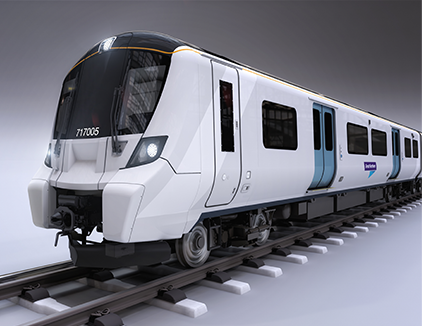
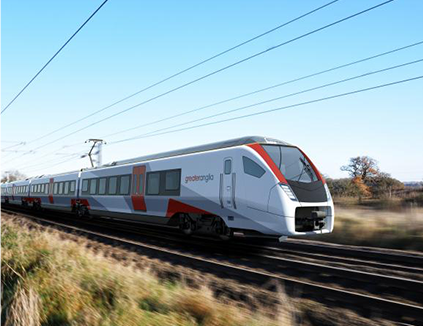
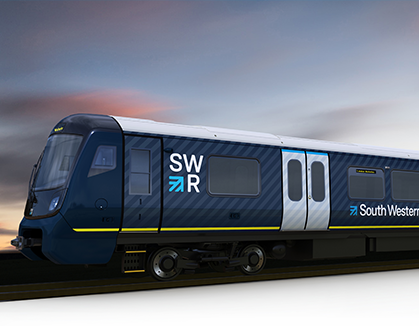
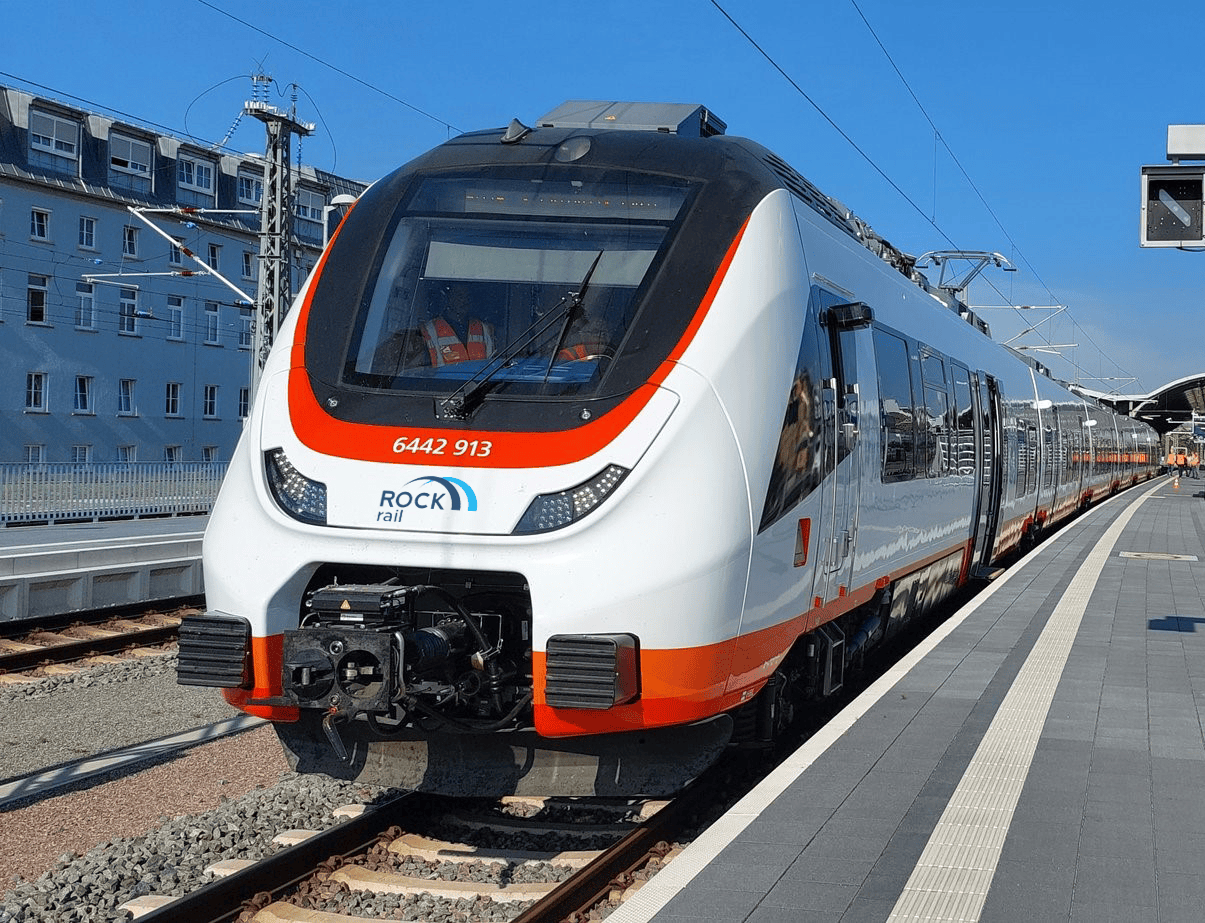
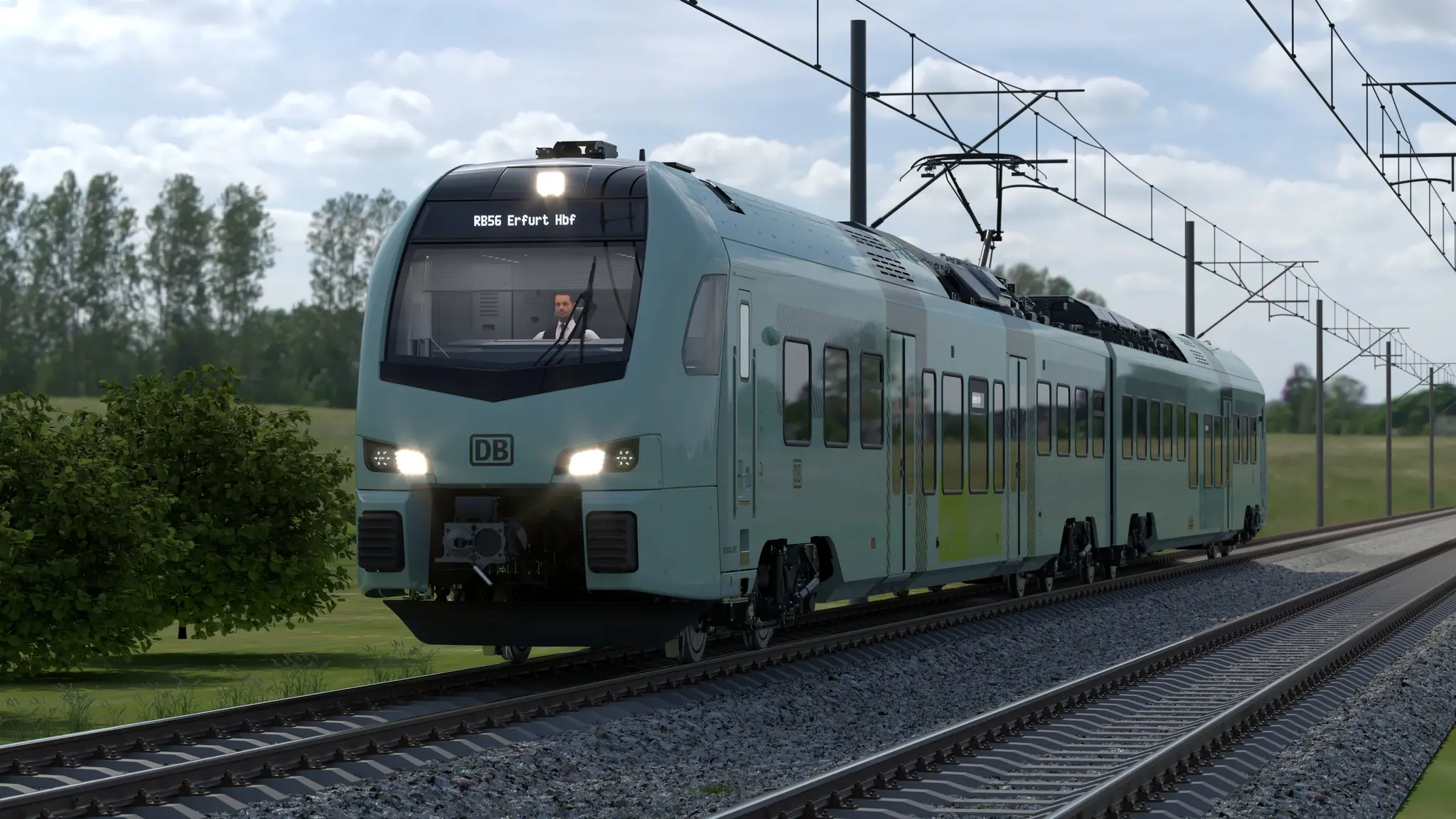
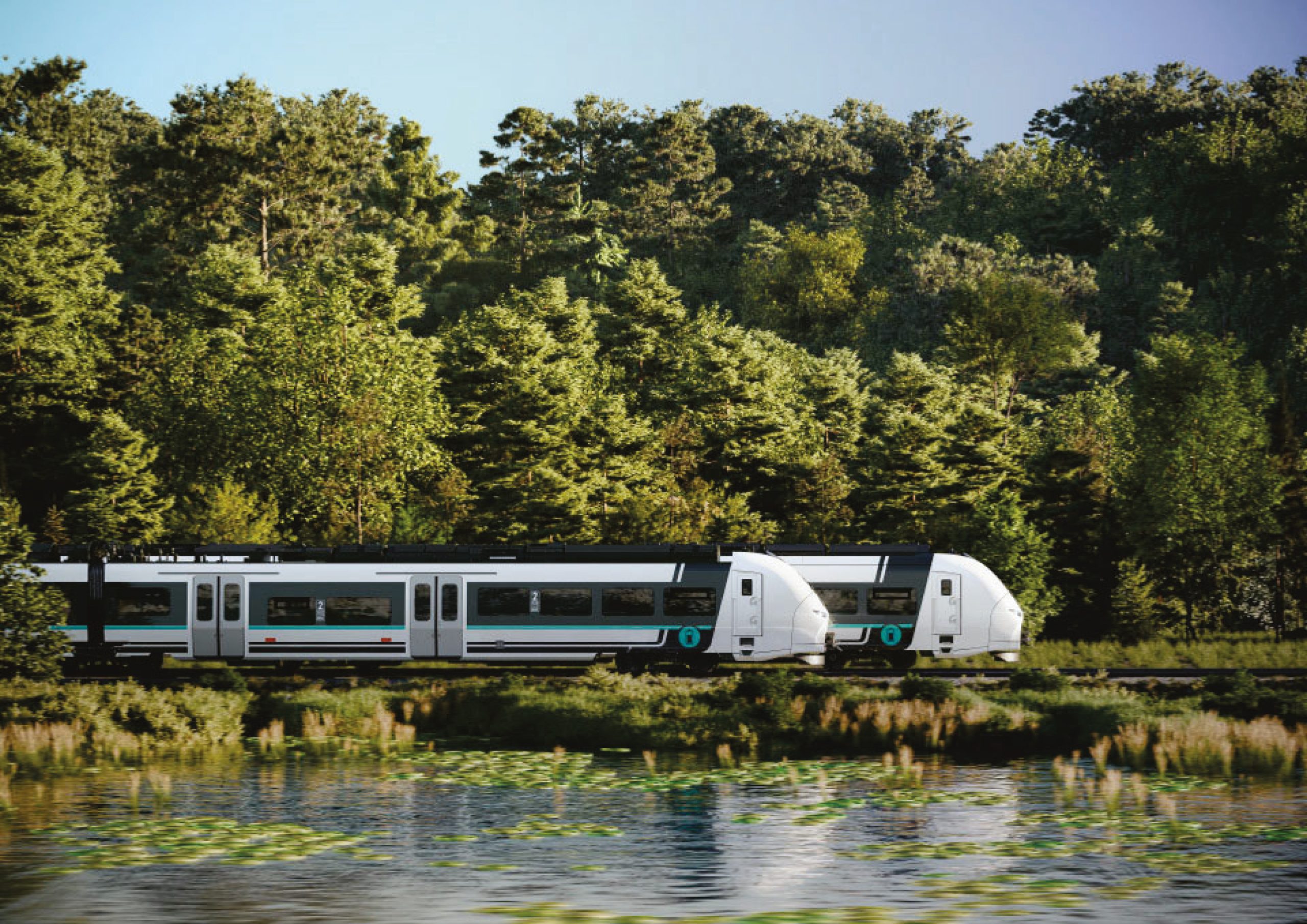
James joined Rock in September 2017, and is responsible for asset management activities for Rock’s owned operational fleets. James is a Chartered Mechanical Engineer with over 15 years’ experience in the rail industry, predominantly in rolling stock engineering. Since joining Rock, James has been the Lessor Representative responsible for the successful delivery of the 25 new Siemens Class 717 trains that entered service on GTR’s Great Northern route in late 2018, and the 58 Stadler Flirts that were successfully introduced on the Greater Anglia franchise in 2019 and 2020. He will also take on asset management responsibility for the 90 new Class 701 Aventra units that will be introduced on the South Western franchise in 2024.

James has a detailed knowledge of UK rolling stock operations and maintenance practices, including major overhauls, engineering changes and contract management, as well as experience of the commercial and contractual arrangements associated with new train procurement and refranchising.

Prior to joining Rock, James worked for Stagecoach South Western Trains, initially in engineering management roles supporting the operation and maintenance of the South West fleets, where he was responsible for managing a team of engineers delivering a wide range of projects and modifications. James then took on roles in the Stagecoach franchise bidding and mobilisation teams, including responsibility for the procurement of new rolling stock for the future franchise and the development of the rolling stock strategy.
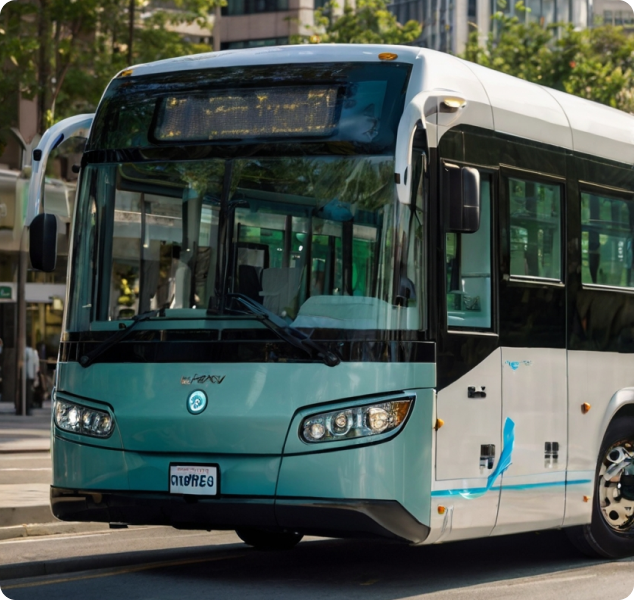
Driving Net Zero: How Rock Road 
Is Funding the UK’s Bus Transition

Accelerating the shift to clean, affordable, zero-emission transport

Year
2025
Category
Rock Road
Share

The Challenge

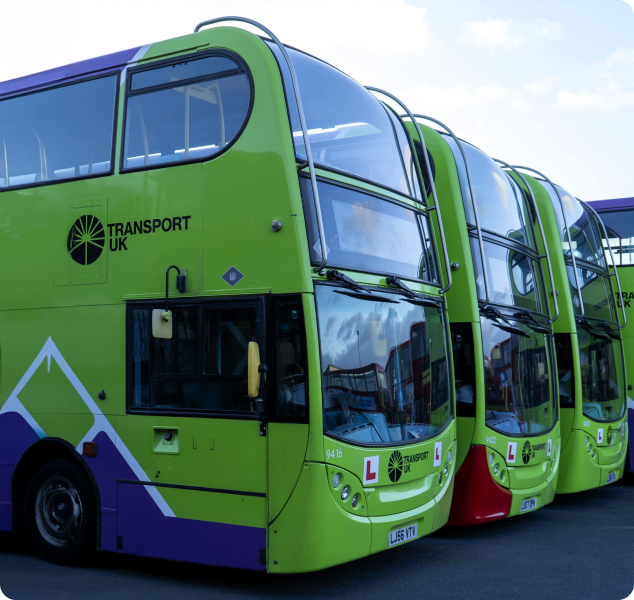
The UK bus network is at the heart of everyday travel – but over 30,000 diesel buses still need replacing to achieve a fully zero-emission fleet.

While around 5,000 battery-electric buses are already on the road, the high upfront cost of electric vehicles and depot electrification continues to slow the transition. Traditional funding routes — such as government grants or short-term bank finance – have helped start the journey but cannot support decarbonisation at the scale required.

A new, sustainable funding model was needed: one that could attract long-term capital, spread costs fairly, and give operators and authorities confidence in the future.

The Solution

In 2021, Rock launched Rock Road to deliver exactly that –  applying its proven infrastructure financing approach from the rail sector to the UK’s clean bus revolution.

Working with Aviva, the National Wealth Fund, and HSBC, Rock created a dedicated investment platform that channels infrastructure-style finance from pension funds and institutional investors directly into zero-emission bus projects.

This model provides:

Impact

The platform has already raised £100 million, with capacity to scale to £1 billion per year over the next decade – providing a consistent source of affordable capital for local authorities and operators.

Rock’s model ensures that the total cost of ownership (TCO) of electric buses can now be lower than diesel equivalents, thanks to both cheaper long-term finance and reduced operating costs.

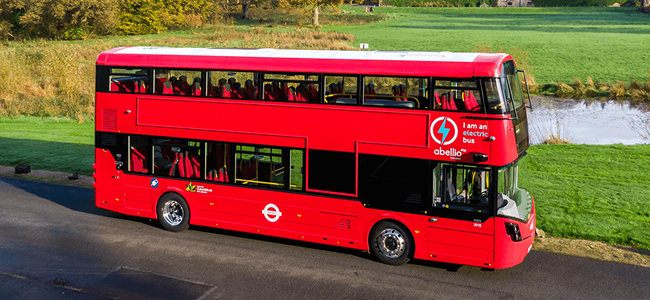
In London, Rock has financed 120 zero-emission buses under 7-year leases aligned with Transport for London’s contract lengths. This structure gives operators flexibility and certainty:

The Future

Rock Road’s ambition is to support the rollout of zero-emission fleets across the UK – helping local authorities and operators meet climate goals without overextending public budgets.

By leveraging limited government funding to attract large-scale private capital – for example, £10 million of public investment unlocking over £250 million in total funding – Rock’s model accelerates decarbonisation while keeping costs low for the public sector.

Our ambition is to make electric buses the default choice - not because of subsidy, but because they are the best economic and environmental option.
Louis Swindell
Commercial Director, Rock Road