

-
Completely unique seats offering enhanced comfort
-
Seats easier to clean, maintain and more durable
-
Every passenger has access to power and USB point.
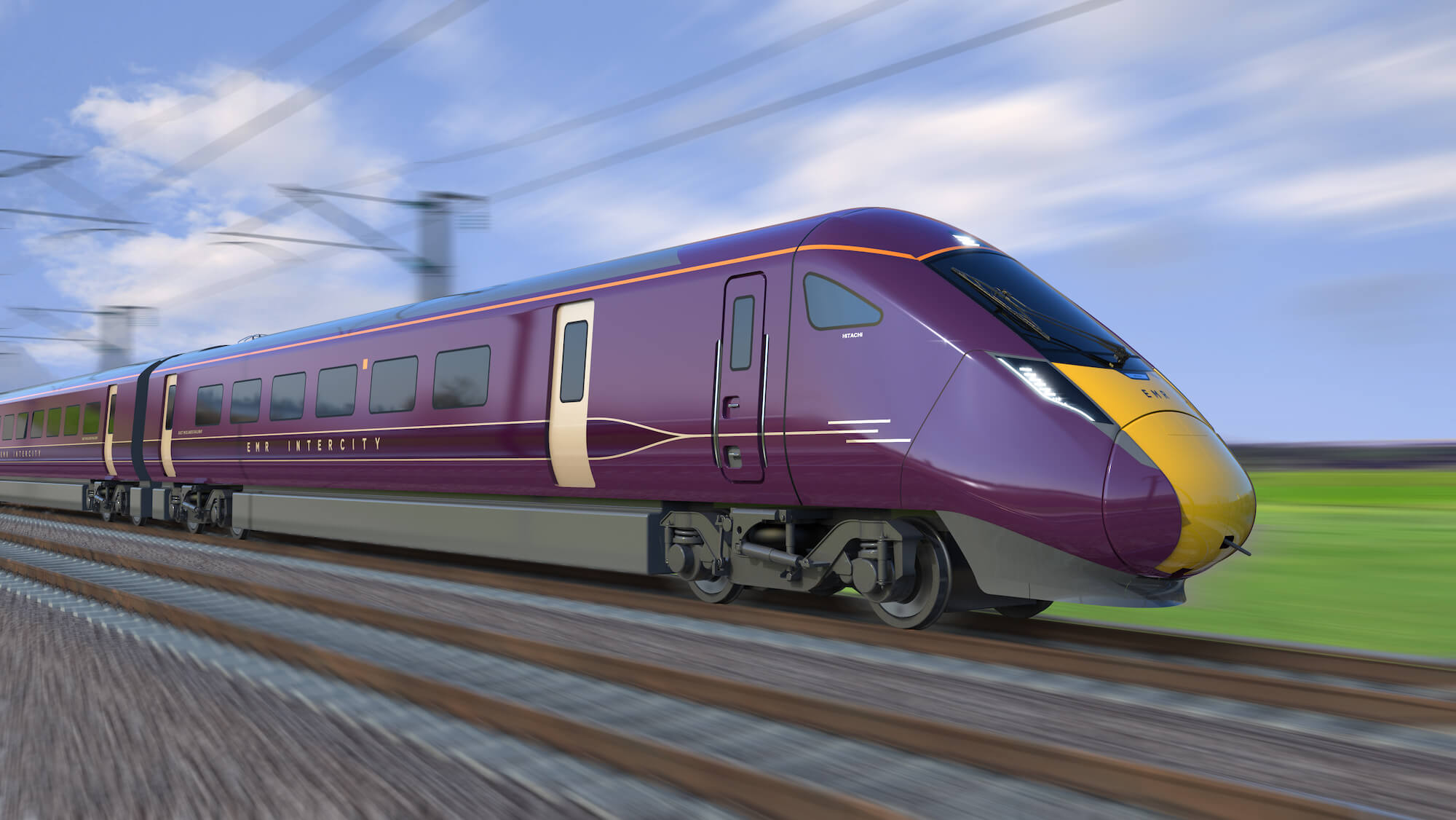
Passengers travelling on East Midlands Railway’s (EMR) Aurora trains will be able to sit back and relax thanks to unique seats specifically designed for the company’s new fleet.
Rock Rail East Midlands announced the £400 million financing of the new InterCity fleet for EMR last August.
Working closely with Derby-based design firm DGDESIGN, EMR has taken the proven product of a FISA Lean seat and refined it to offer enhanced comfort and support. It has also improved the appearance to match what they believe customers expect from an InterCity service seat. The seat rework has included increasing the size of cushions, headrests and armrests and making sure that high quality durable materials are used throughout, such as a wool-rich moquette and leather. At the same time, EMR has also ensured the seats include all the practical and technological features that customers require, such as power and USB points, generous legroom, coat hooks , well-sized seat-back tables for all airline seats and space to stow a cabin-bag under each seat.
Mike Kean, Chief Originations Officer at Rock Rail, said “Comfortable seating plays a key part in delivering great passenger travelling experiences. We are delighted that the new Aurora seats will help transform passenger journeys together with the many other improved passenger, operational and environmental features of this state-of-the-art fleet.”
Rachel Turner, Head of New Trains at East Midlands Railway, said: “We know the FISA seat has a good level of comfort, but we wanted to further enhance this by providing additional support in key areas, developing something that looks comfortable, inviting, and unique to EMR. All this has been done whilst ensuring we still meet the latest seat safety standards.
“Our customers are used to large comfortable seats, as found in our Meridian trains, so we wanted to maintain this character but go even further.
“It has taken a lot of work but we are delighted with the final product, not only are they comfortable to sit in and look refined, but they are also easy to keep clean and include all the features passengers should expect from a new generation of trains.”
David Gordon, Director at DGDESIGN, said: “After safety and punctuality, seat comfort is probably the most important customer requirement and therefore a key focus for our interior design work, with every effort being made to optimise the at-seat experience by further enhancing an already proven seat system.
“Headrests have improved lateral support for added comfort and privacy, cushions have been widened, armrests are softer and deeper, additional privacy screening has been introduced and upholstery detailing has been refined to improve aesthetics and cleanability.”
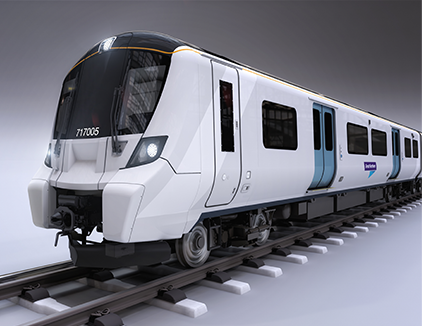
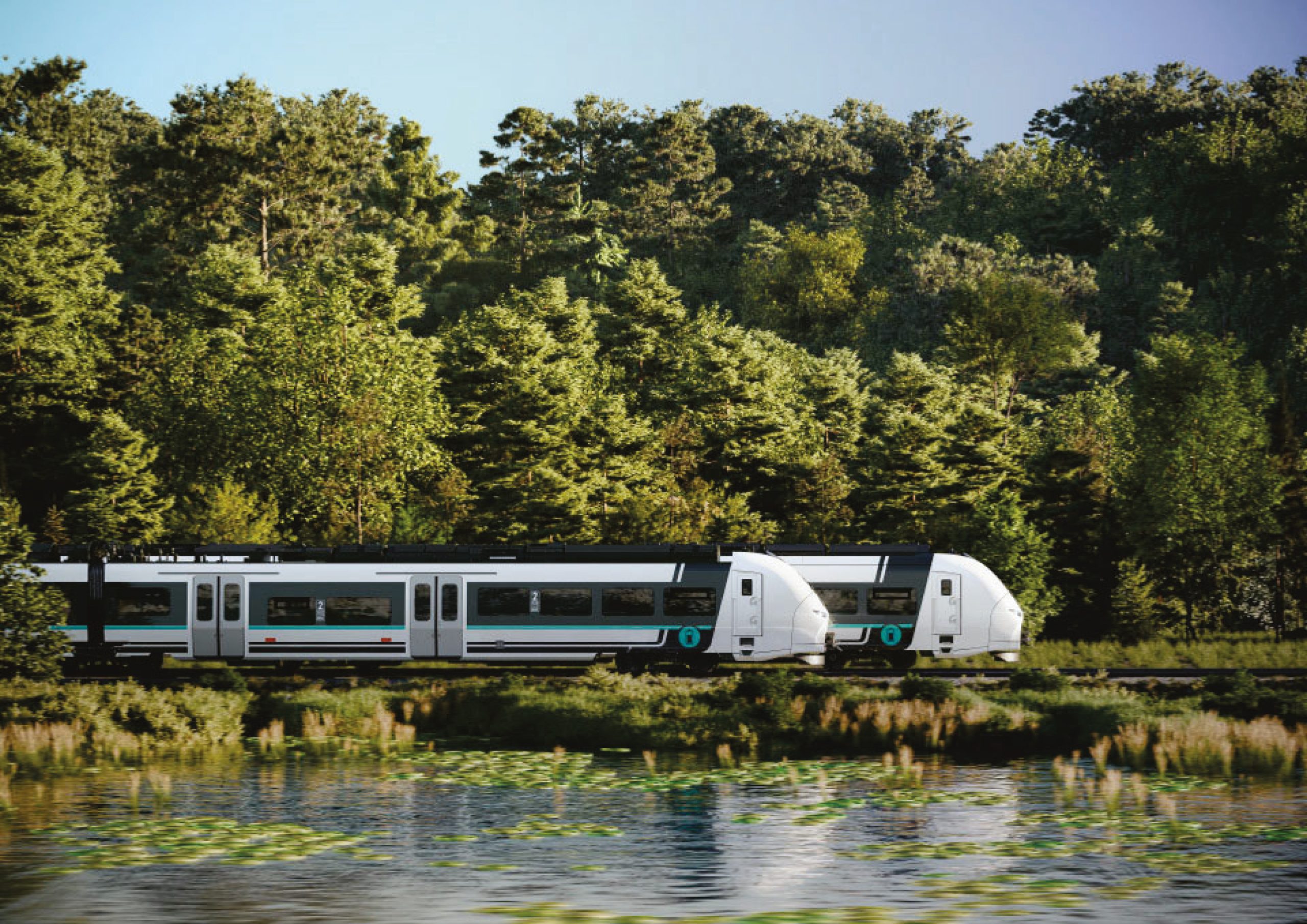
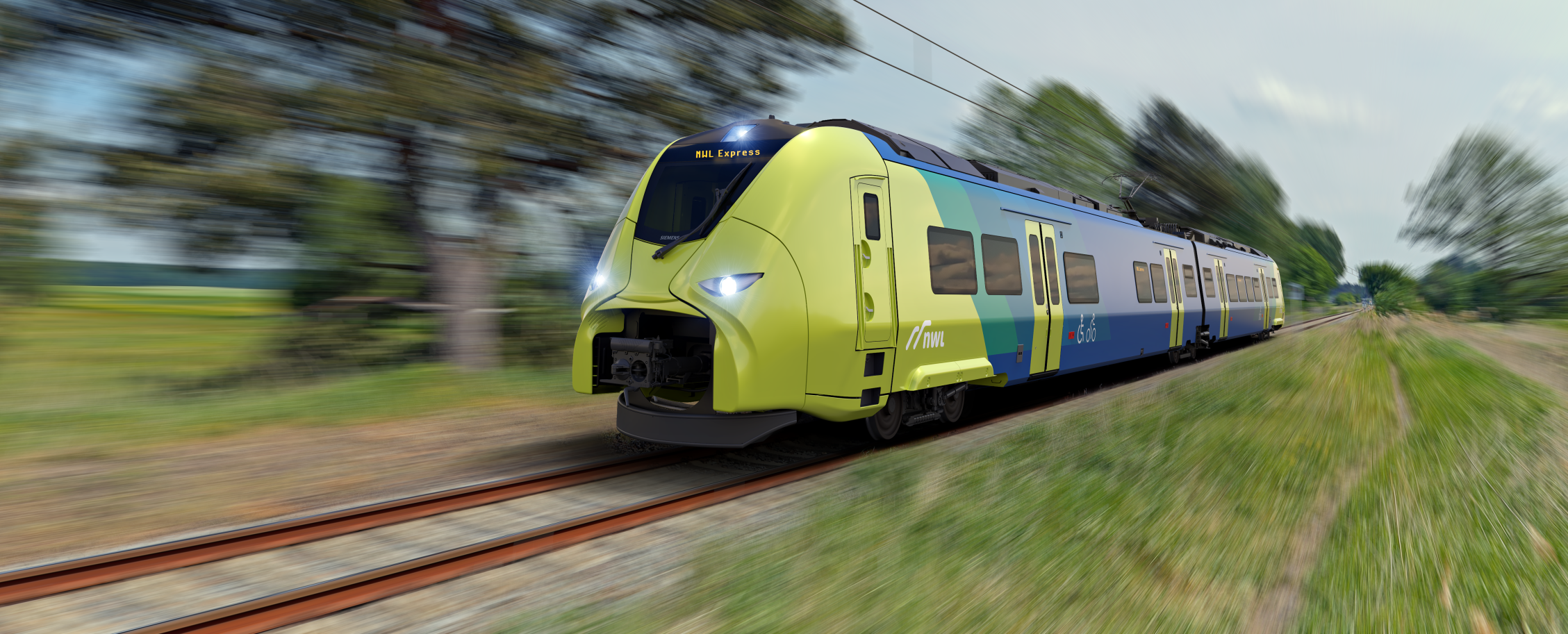
The new Aurora fleet, made up of 33 five-carriage bi-mode units, will be built by Hitachi Rail in County Durham and will replace the current diesel only trains. The trains will be able to run on electricity and diesel, taking advantage of electrification on the Midland Main Line and helping the drive towards a greener, more sustainable rail industry.
Amy Webb, Head of Programmes – Commuter, Hitachi Rail, said: “Hitachi is excited to be working with EMR to deliver the new Aurora Fleet for its passengers. As today’s announcement underlines, Aurora passengers can expect to benefit from a comfortable journey, with more capacity and a new, modern interior.
“The manufacturing of the trains is also benefiting over 75 suppliers across the UK – a number that will continue to rise – and will also support hundreds of jobs at Hitachi Rail’s factory in County Durham.”
When it enters service in 2023, Aurora will offer significant advances on the existing fleet, with passengers benefiting from more seats and modern interiors.
The trains will also include features that passengers have said they want to see, including air conditioning, free WiFi throughout, plug sockets and better passenger information screens.