Rock Rail Moorgate’s fleet helping deliver a greener railway

Rock Rail Moorgate’s new trains for Great Northern’s London to Hertfordshire services have already generated enough electricity through their brakes to power the equivalent of all the households of Welwyn and Hatfield Borough for a month, potentially saving more than 4,000 tonnes of carbon dioxide emissions.

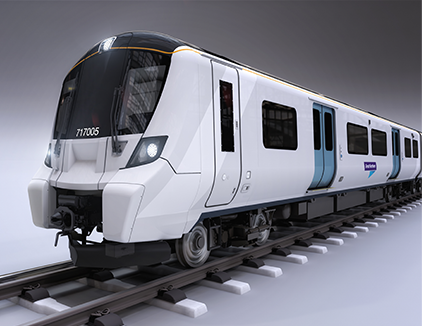
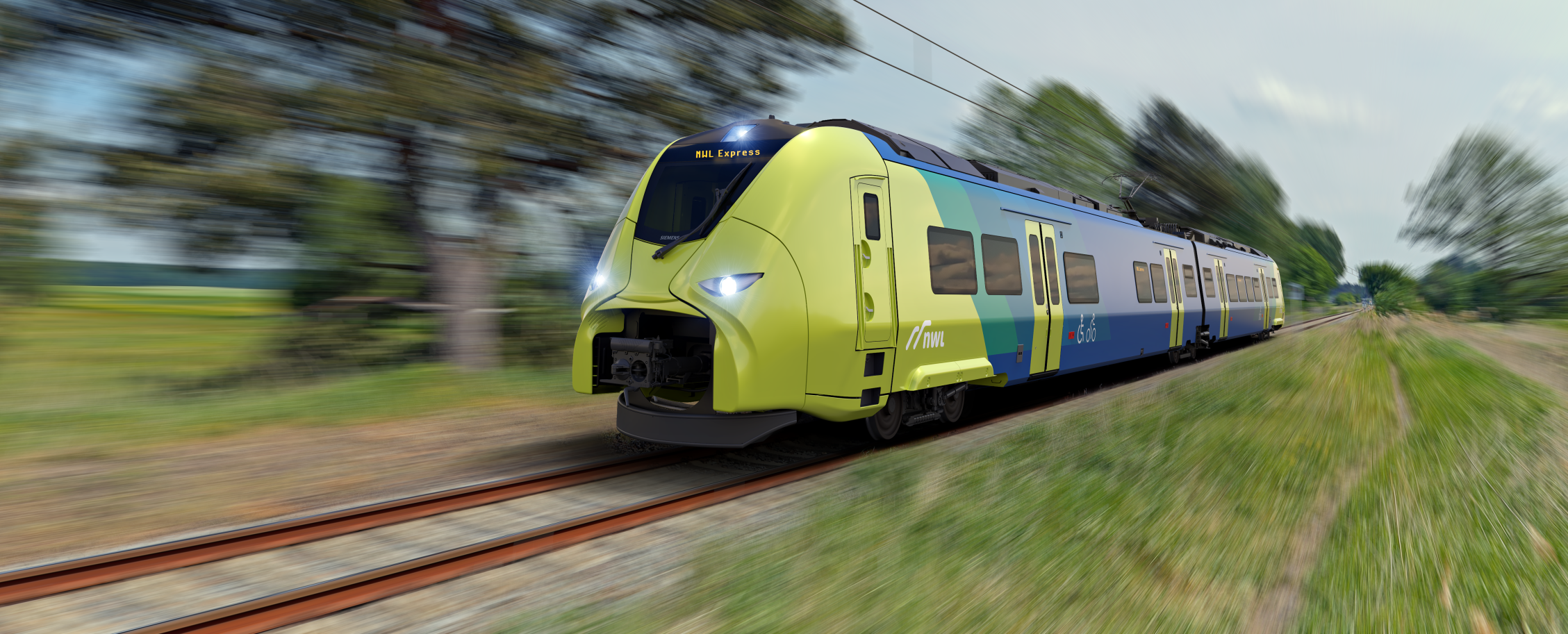
The new Class 717 trains have recently celebrated their first year of full service, having already delivered significant environmental benefits as well as completely transforming travel for passengers on Great Northern’s route between London Moorgate and Stevenage, Hertford North and Welwyn Garden City.

The 25 fully-accessible, spacious, modern-air conditioned trains were the first of Rock Rail’s fleets to enter service in 2019. Featuring on-board Wi-Fi, the latest in real-time passenger information and power sockets at every pair of seats, they are a world away from the 42 year-old-trains they replaced which were one of Britain’s oldest National Rail electric train fleets. Passenger satisfaction has soared 22 percentage points as a result (1).

In their short life to date, the trains have already generated 17 million kWh. This helps make the trains 33% more efficient than the trains they replaced.

Great Northern MD Tom Moran explained: “Hidden away, underneath the carriages, electric motors help the trains brake, feeding the energy back into the network for use by other trains. That technology has already generated 17 million kWh – enough to power the homes of Welwyn and Hatfield Borough for more than a month, potentially saving more than 4,000 tonnes of carbon dioxide emissions.

“With all our managed stations now using energy generated from a clean, renewable source, passengers can travel safe in the knowledge they are doing their bit for the planet.”

Electric trains are considered to be the most sustainable form of public transport and those with regenerative braking like the Rock Rail Moorgate trains have even better ‘green credentials’.

 (1) Transport Focus National Rail Passenger Survey results for Great Northern trains (spring 2020 – survey carried out pre-Covid): overall train satisfaction – 85% (up 22 percentage points on spring 2019)
Recent articles

Rock Rail and Infracapital Partners Back New Battery-Electric Train...

Deal marks a long term investment in the country’s zero emissions transport infrastructure. Rock Rail, a leading developer...

Rock Rail purchases a brand-new fleet of Talent 3...

Rock Rail and abrdn Core Infrastructure have announced an investment in Alstom-built 31 x 6-car Talent 3...

Rock Rail ranked number one for Global ESG performance...

GRESB has named Rock Rail as the top ranked ESG (Environment, Social and Governance) Sector Leader in...

Driving Net Zero: How Rock Road 
Is Funding the UK’s Bus Transition

Accelerating the shift to clean, affordable, zero-emission transport

Year
2025
Category
Rock Road
Share

The Challenge

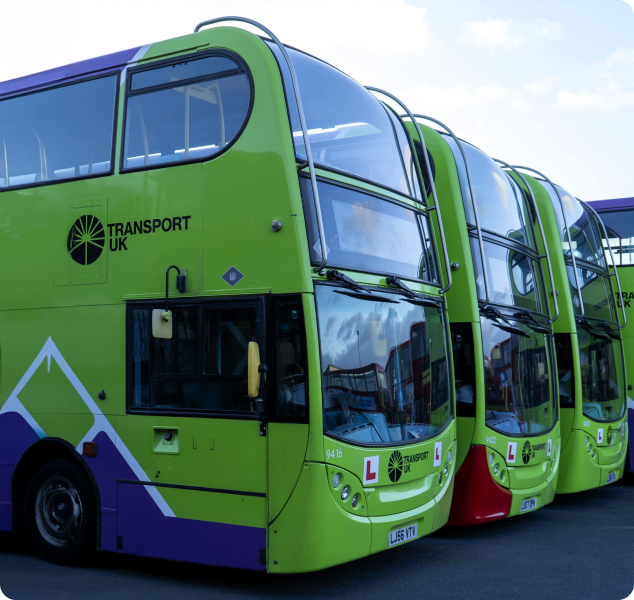
The UK bus network is at the heart of everyday travel – but over 30,000 diesel buses still need replacing to achieve a fully zero-emission fleet.

While around 5,000 battery-electric buses are already on the road, the high upfront cost of electric vehicles and depot electrification continues to slow the transition. Traditional funding routes — such as government grants or short-term bank finance – have helped start the journey but cannot support decarbonisation at the scale required.

A new, sustainable funding model was needed: one that could attract long-term capital, spread costs fairly, and give operators and authorities confidence in the future.

The Solution

In 2021, Rock launched Rock Road to deliver exactly that –  applying its proven infrastructure financing approach from the rail sector to the UK’s clean bus revolution.

Working with Aviva, the National Wealth Fund, and HSBC, Rock created a dedicated investment platform that channels infrastructure-style finance from pension funds and institutional investors directly into zero-emission bus projects.

This model provides:

Impact

The platform has already raised £100 million, with capacity to scale to £1 billion per year over the next decade – providing a consistent source of affordable capital for local authorities and operators.

Rock’s model ensures that the total cost of ownership (TCO) of electric buses can now be lower than diesel equivalents, thanks to both cheaper long-term finance and reduced operating costs.

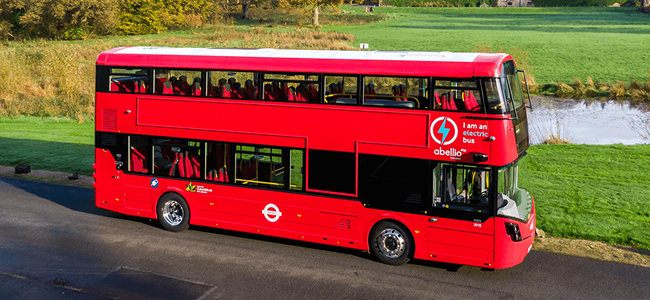
In London, Rock has financed 120 zero-emission buses under 7-year leases aligned with Transport for London’s contract lengths. This structure gives operators flexibility and certainty:

The Future

Rock Road’s ambition is to support the rollout of zero-emission fleets across the UK – helping local authorities and operators meet climate goals without overextending public budgets.

By leveraging limited government funding to attract large-scale private capital – for example, £10 million of public investment unlocking over £250 million in total funding – Rock’s model accelerates decarbonisation while keeping costs low for the public sector.

Our ambition is to make electric buses the default choice - not because of subsidy, but because they are the best economic and environmental option.
Louis Swindell
Commercial Director, Rock Road