
Coronavirus (COVID-19)

The events of this year have created extremely challenging times for everyone. The vital role of public transport has never been so highly illustrated as restrictions on its use have been put in place to ensure key workers are still able to get to work safely and to manage the spread of Coronavirus.

We have all had to adjust to the current challenges and homeworking has become the norm for many businesses during this period in order to free up capacity on our trains for NHS and other key workers.

Current government advice is to avoid using public transport wherever possible and that it should only be used for essential journeys (for key workers and those who are not able to work from home and have no other way of getting to work).

Rail passenger and rail worker safety remains foremost for us all and the current social distancing needs are placing significant capacity constraints on public transport.

The whole industry is working hard and putting new operating practices in place to maintain the highest possible levels of hygiene on the railway, to help passengers maintain social distancing and to plan and execute essential journeys in the safest manner. These measures include:

  • More frequent and thorough cleaning regimes at stations and on trains, including additional deep cleaning of public conveniences and sanitisation of common touch-point areas, such as doors and handrails.
  • Improved online passenger information systems to highlight busy stations and services and encourage journeys to be planned to avoid these and peak periods.
  • Increased station and on-train PA communications reminding passengers of social distancing measures.
  • Deploying additional staff at busier stations and using signs, posters, floor markings and tape at stations to support social distancing.
  • Monitoring of passenger numbers and addition of extra carriages or increasing service frequency where possible.

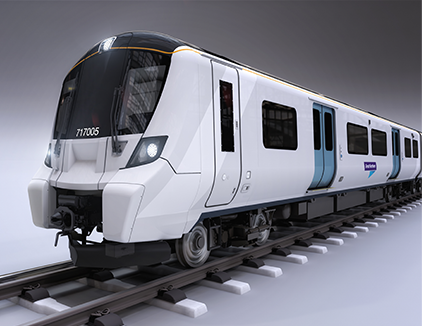
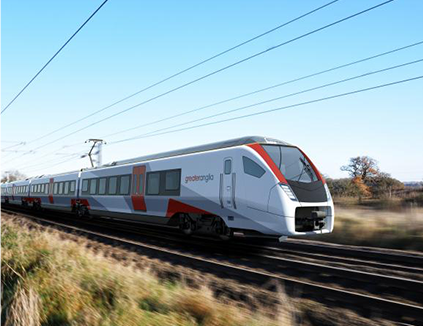
During this time, Rock Rail is working closely with our rail partners to minimise any disruption to the delivery of our fleets so that the extra capacity they bring will enable more people to use rail for essential travel and help support a faster return of economic activity.

More information on latest travel advice can be found here:

https://www.gov.uk/guidance/coronavirus-covid-19-safer-travel-guidance-for-passengers

https://www.nationalrail.co.uk/stations_destinations/coronavirus.aspx
Recent articles

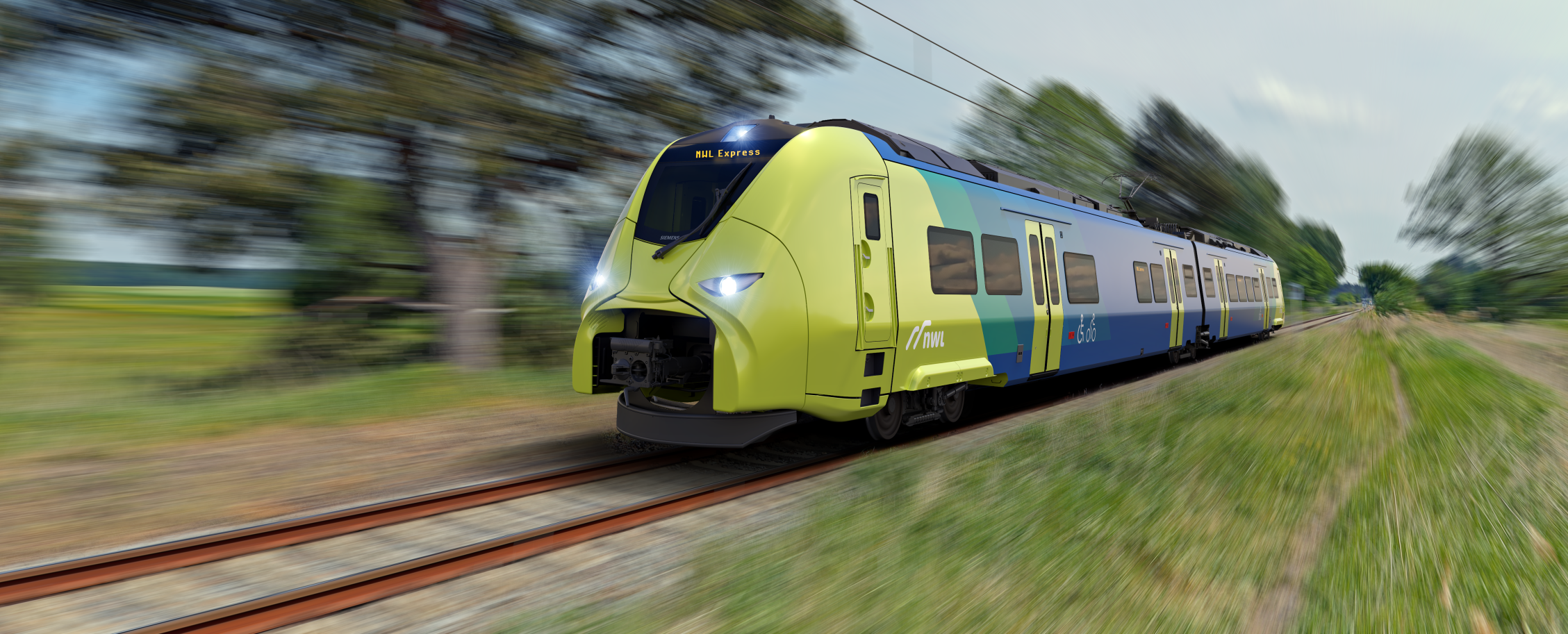
Rock Rail and Infracapital Partners Back New Battery-Electric Train...

Deal marks a long term investment in the country’s zero emissions transport infrastructure. Rock Rail, a leading developer...

Rock Rail purchases a brand-new fleet of Talent 3...

Rock Rail and abrdn Core Infrastructure have announced an investment in Alstom-built 31 x 6-car Talent 3...

Rock Rail ranked number one for Global ESG performance...

GRESB has named Rock Rail as the top ranked ESG (Environment, Social and Governance) Sector Leader in...

Driving Net Zero: How Rock Road 
Is Funding the UK’s Bus Transition

Accelerating the shift to clean, affordable, zero-emission transport

Year
2025
Category
Rock Road
Share

The Challenge

The UK bus network is at the heart of everyday travel – but over 30,000 diesel buses still need replacing to achieve a fully zero-emission fleet.

While around 5,000 battery-electric buses are already on the road, the high upfront cost of electric vehicles and depot electrification continues to slow the transition. Traditional funding routes — such as government grants or short-term bank finance – have helped start the journey but cannot support decarbonisation at the scale required.

A new, sustainable funding model was needed: one that could attract long-term capital, spread costs fairly, and give operators and authorities confidence in the future.

The Solution

In 2021, Rock launched Rock Road to deliver exactly that –  applying its proven infrastructure financing approach from the rail sector to the UK’s clean bus revolution.

Working with Aviva, the National Wealth Fund, and HSBC, Rock created a dedicated investment platform that channels infrastructure-style finance from pension funds and institutional investors directly into zero-emission bus projects.

This model provides:

Impact

The platform has already raised £100 million, with capacity to scale to £1 billion per year over the next decade – providing a consistent source of affordable capital for local authorities and operators.

Rock’s model ensures that the total cost of ownership (TCO) of electric buses can now be lower than diesel equivalents, thanks to both cheaper long-term finance and reduced operating costs.

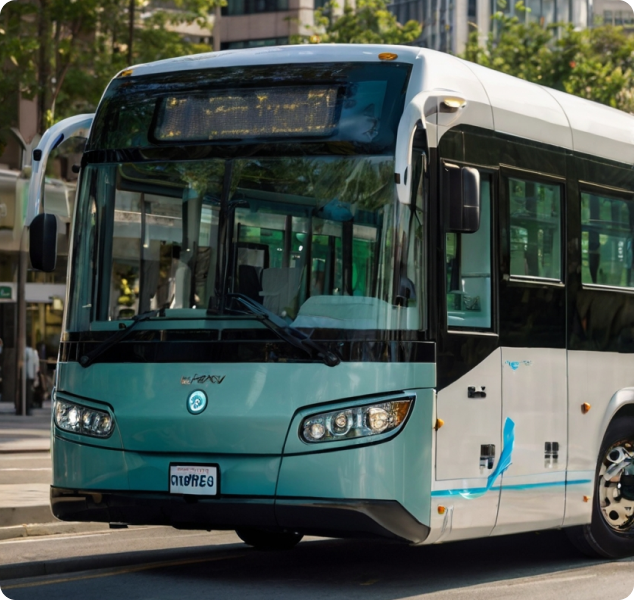
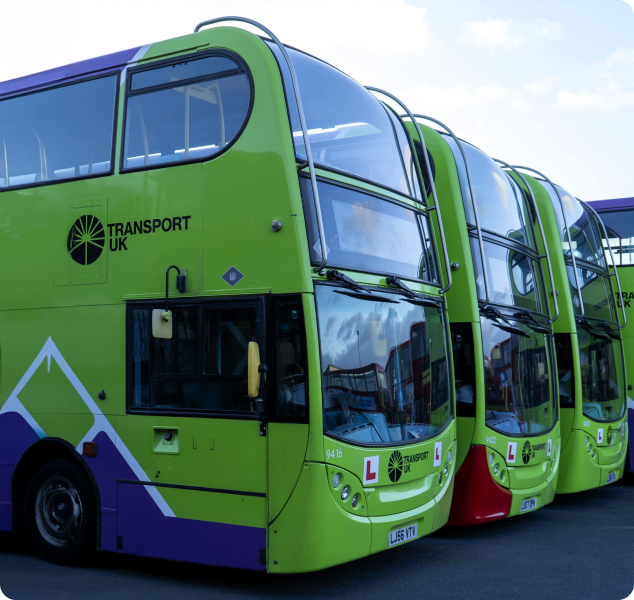
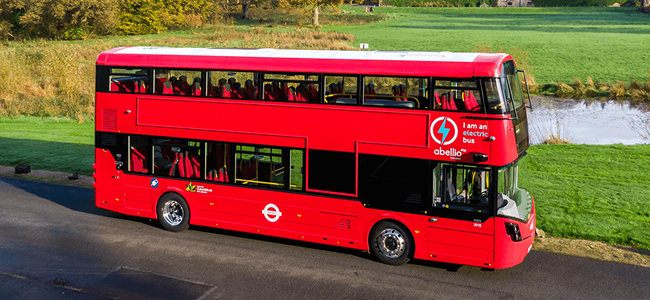
In London, Rock has financed 120 zero-emission buses under 7-year leases aligned with Transport for London’s contract lengths. This structure gives operators flexibility and certainty:

The Future

Rock Road’s ambition is to support the rollout of zero-emission fleets across the UK – helping local authorities and operators meet climate goals without overextending public budgets.

By leveraging limited government funding to attract large-scale private capital – for example, £10 million of public investment unlocking over £250 million in total funding – Rock’s model accelerates decarbonisation while keeping costs low for the public sector.

Our ambition is to make electric buses the default choice - not because of subsidy, but because they are the best economic and environmental option.
Louis Swindell
Commercial Director, Rock Road